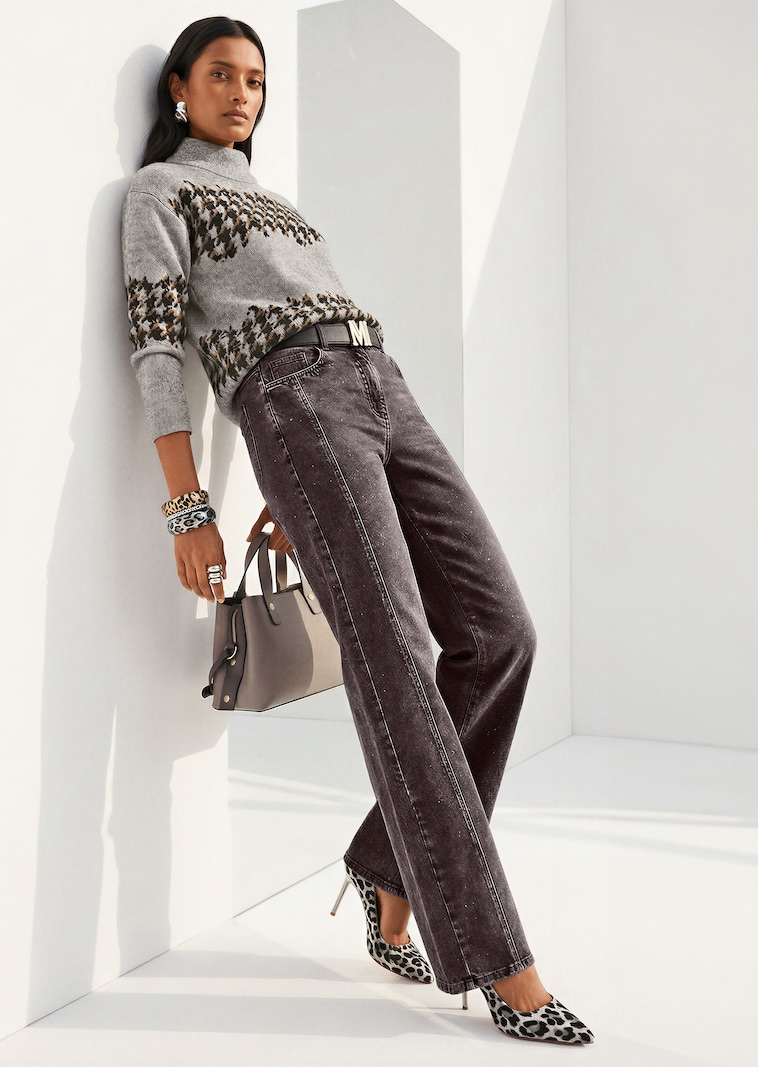
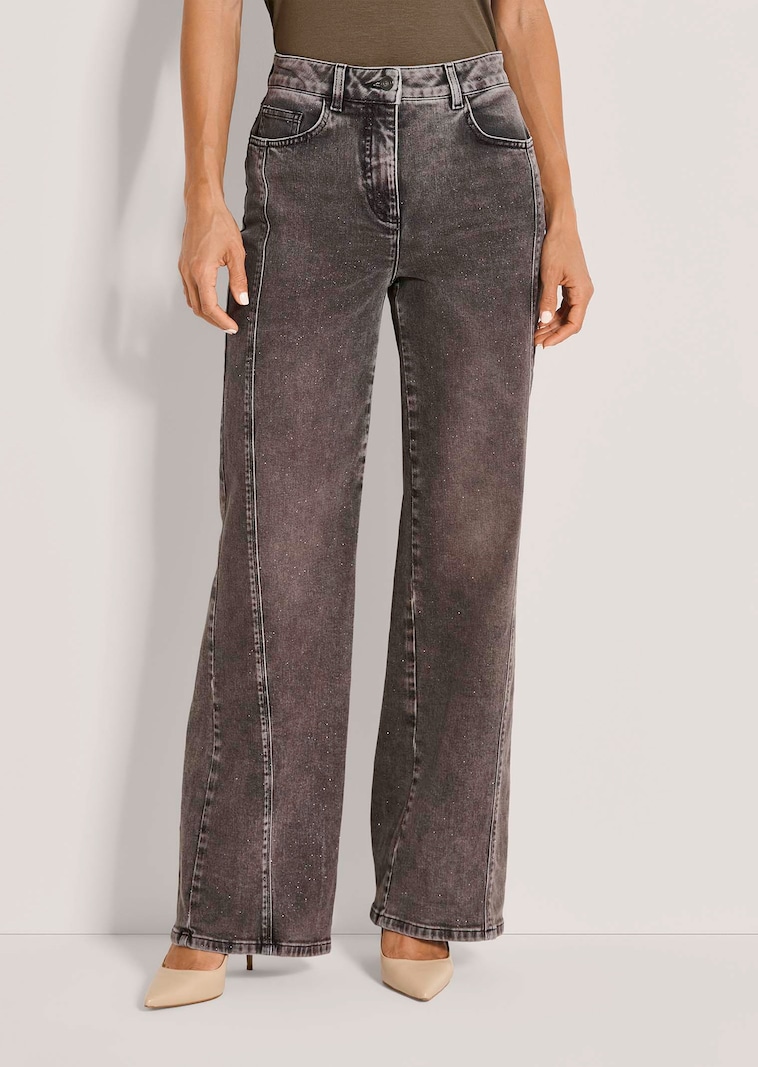
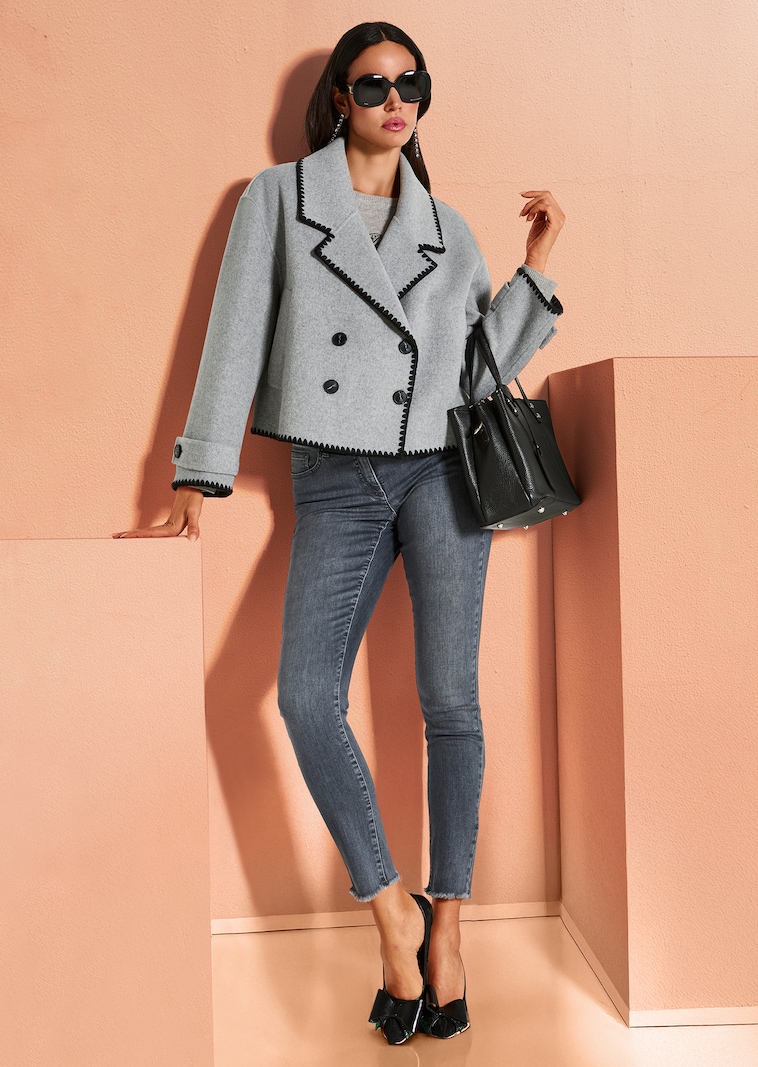
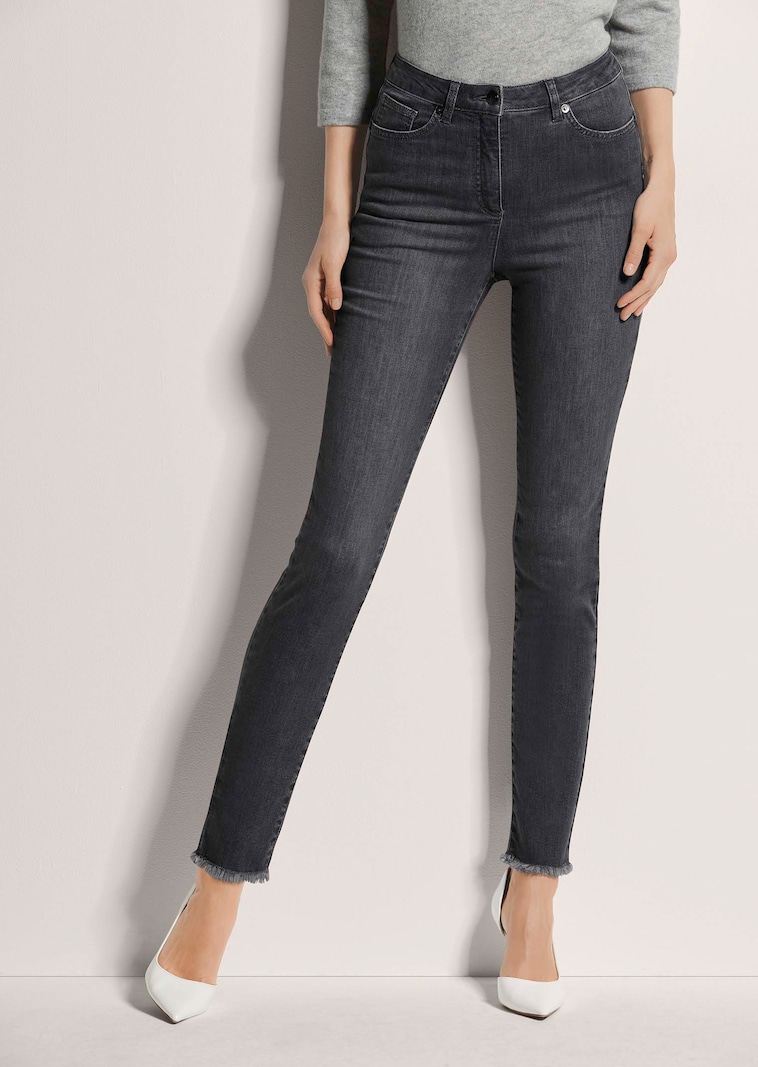
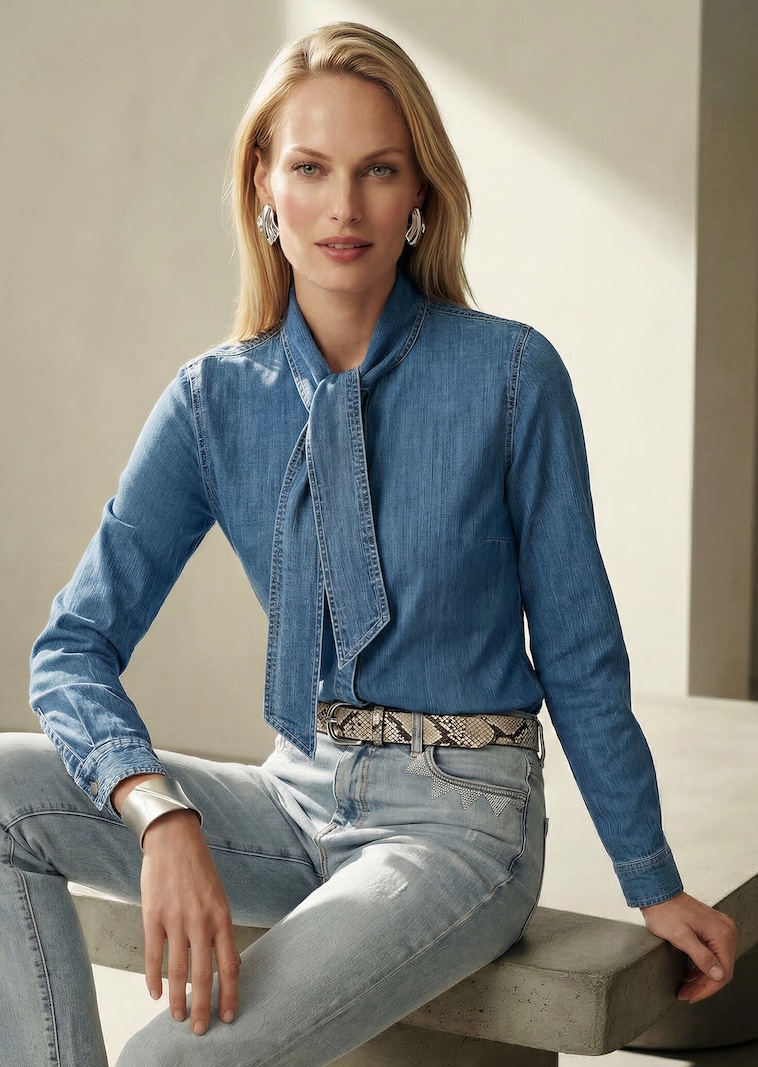
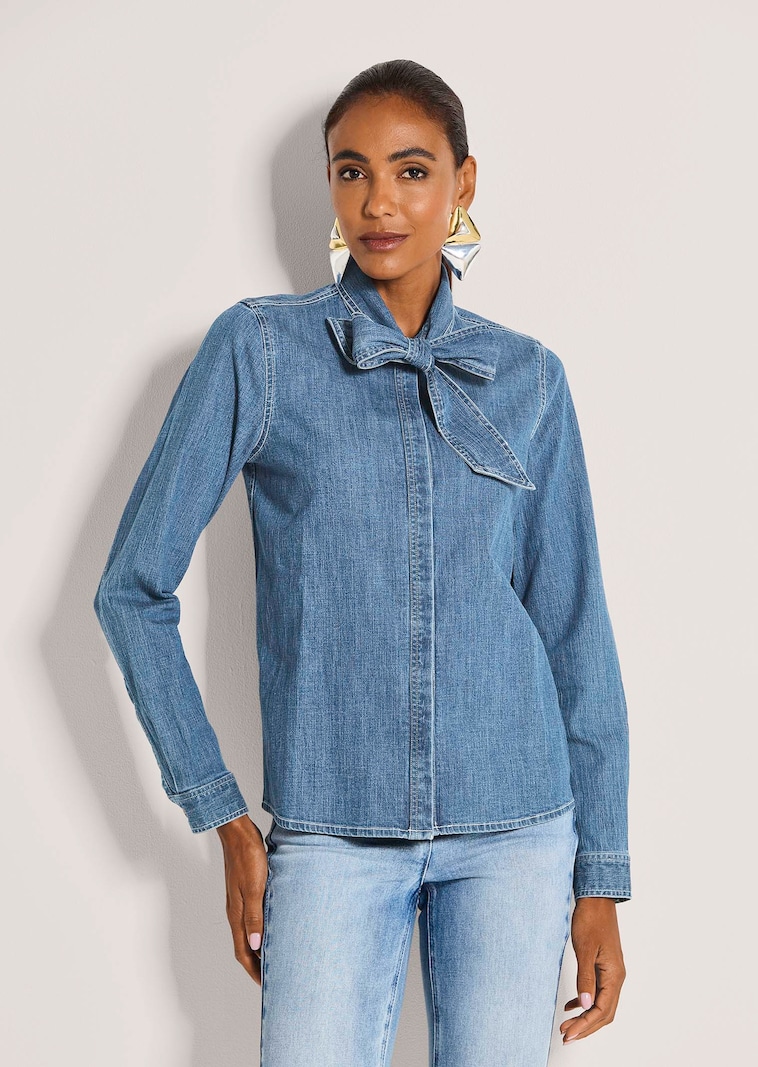
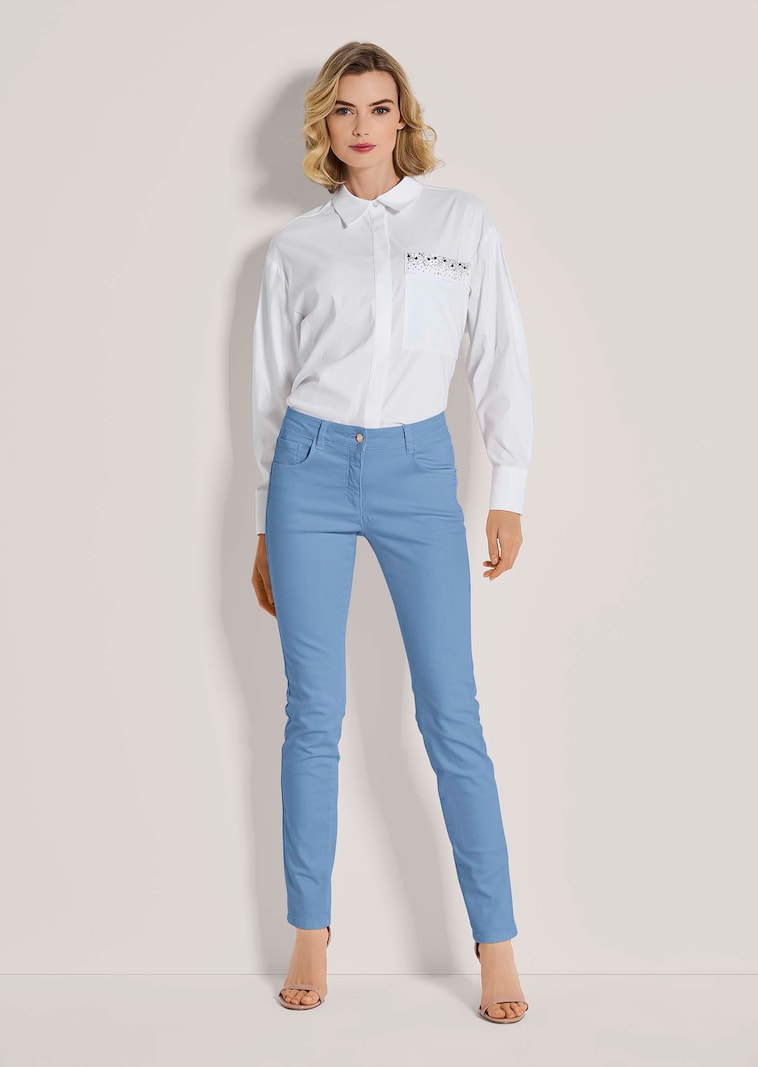
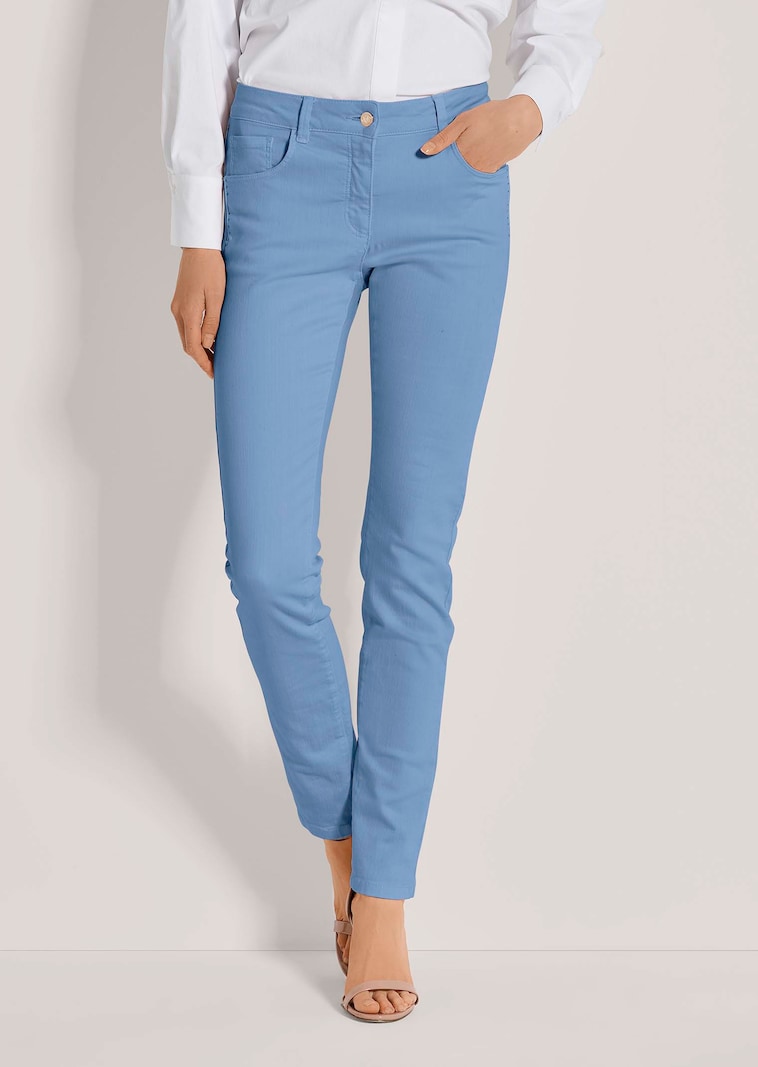
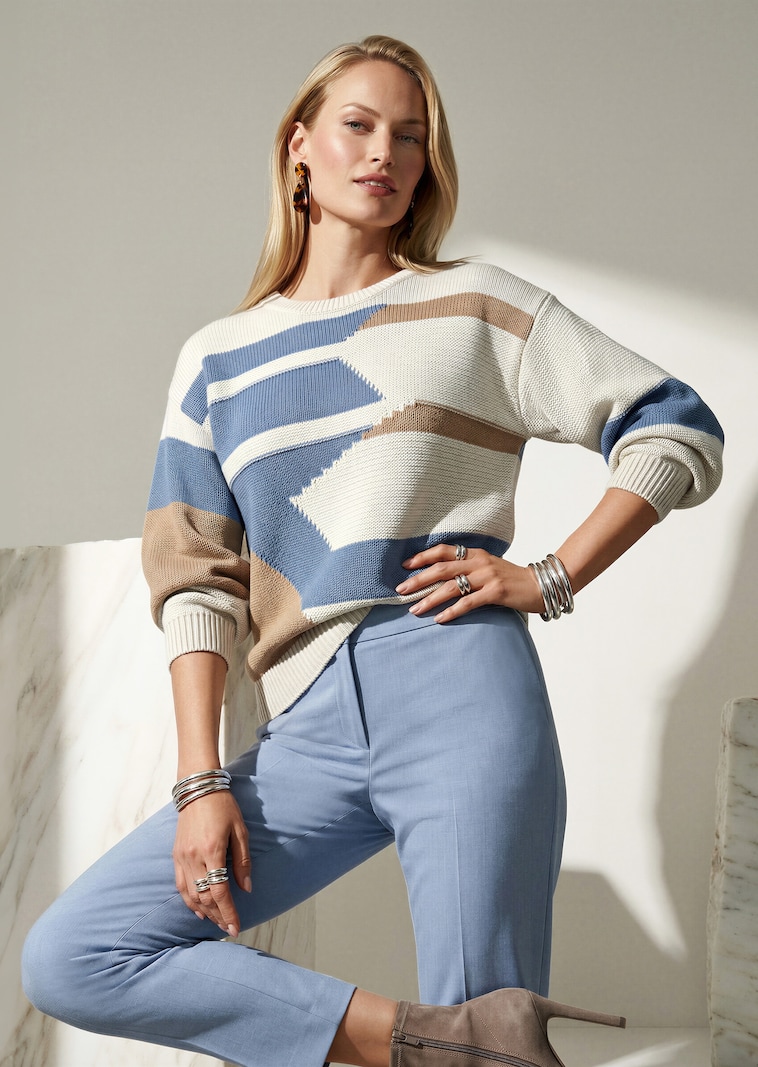
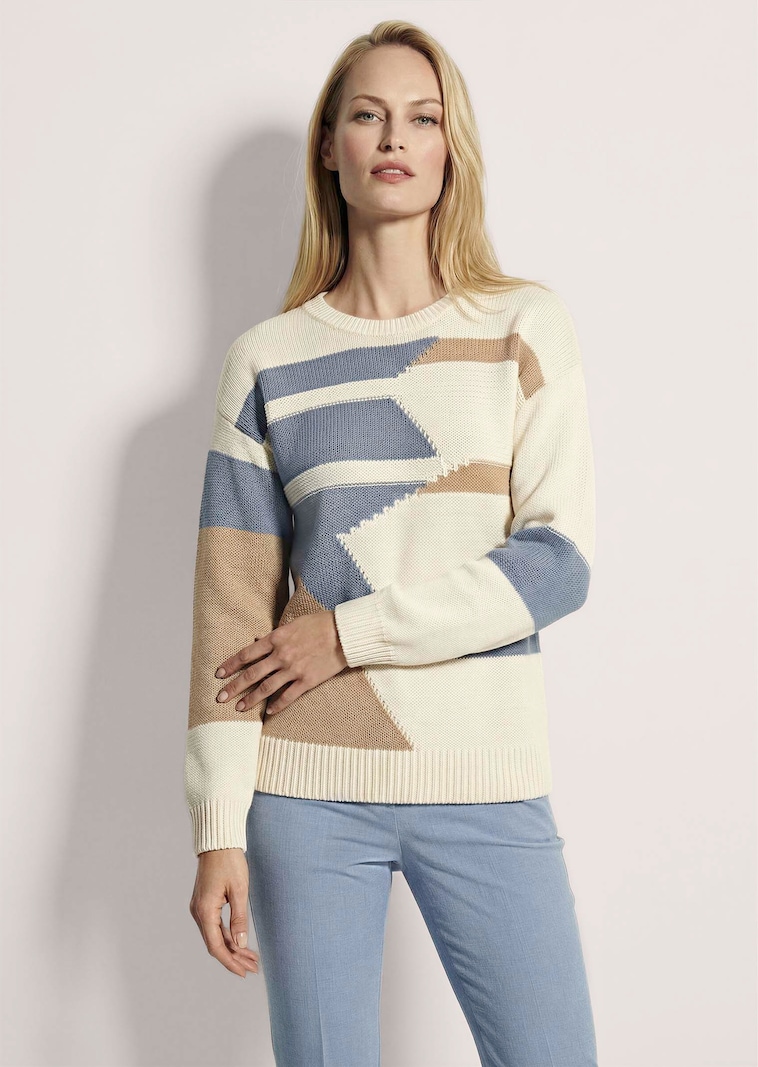
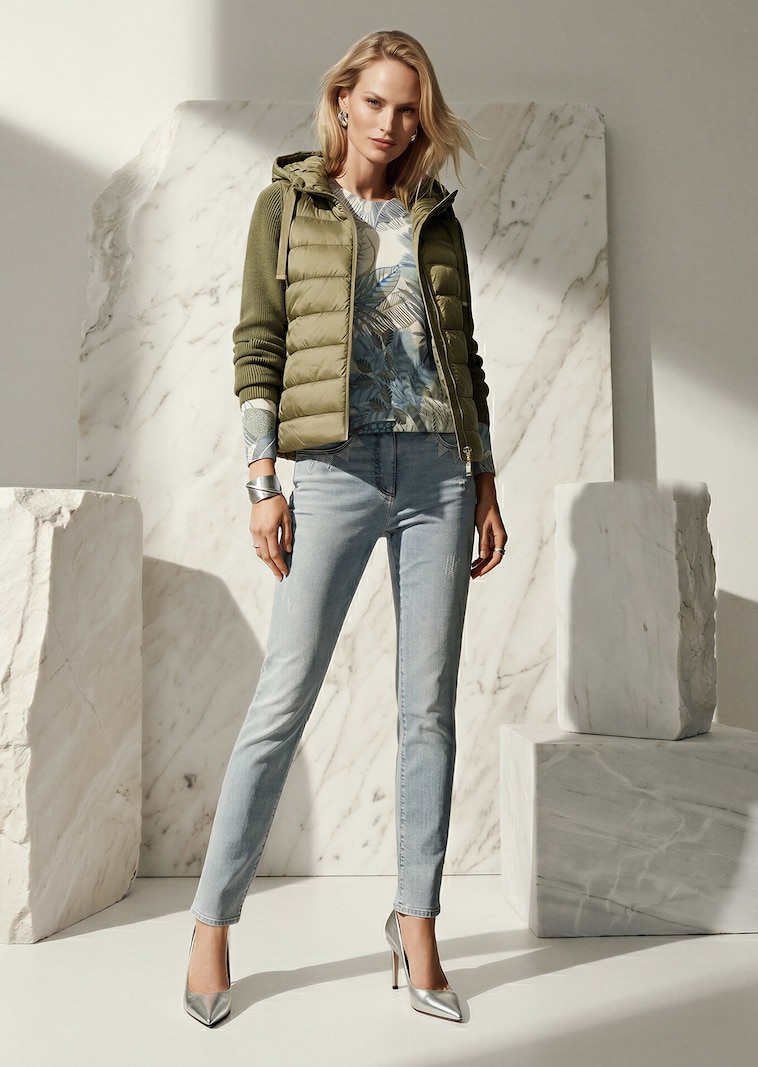
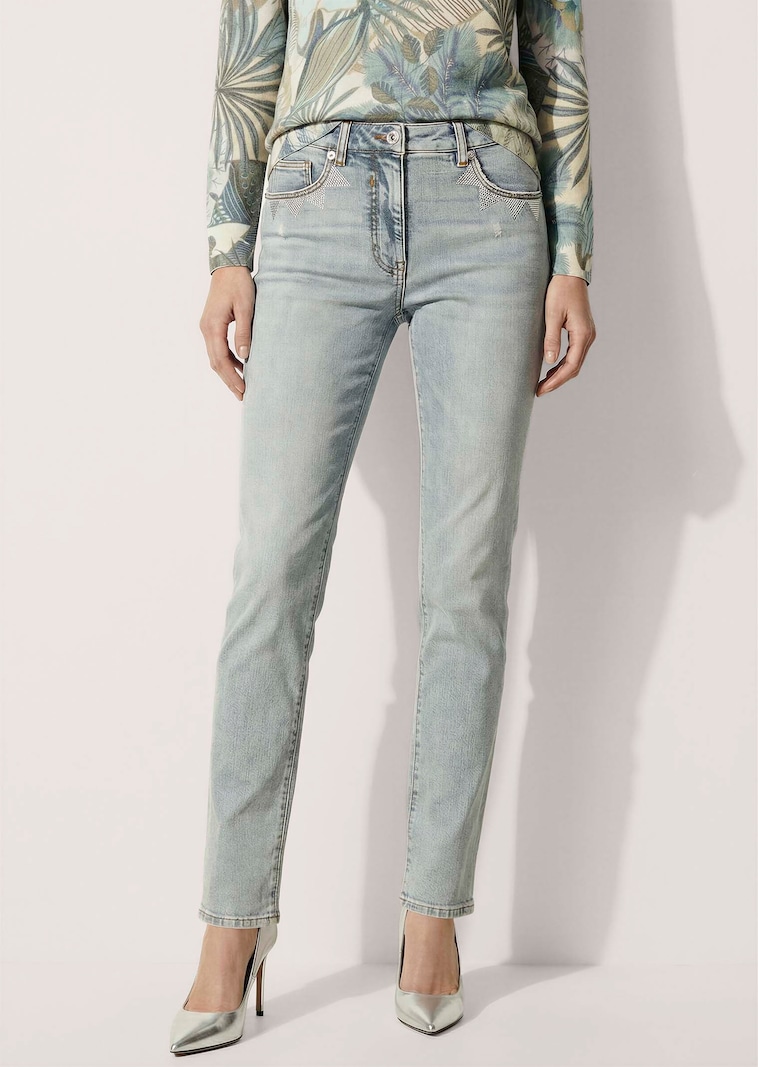
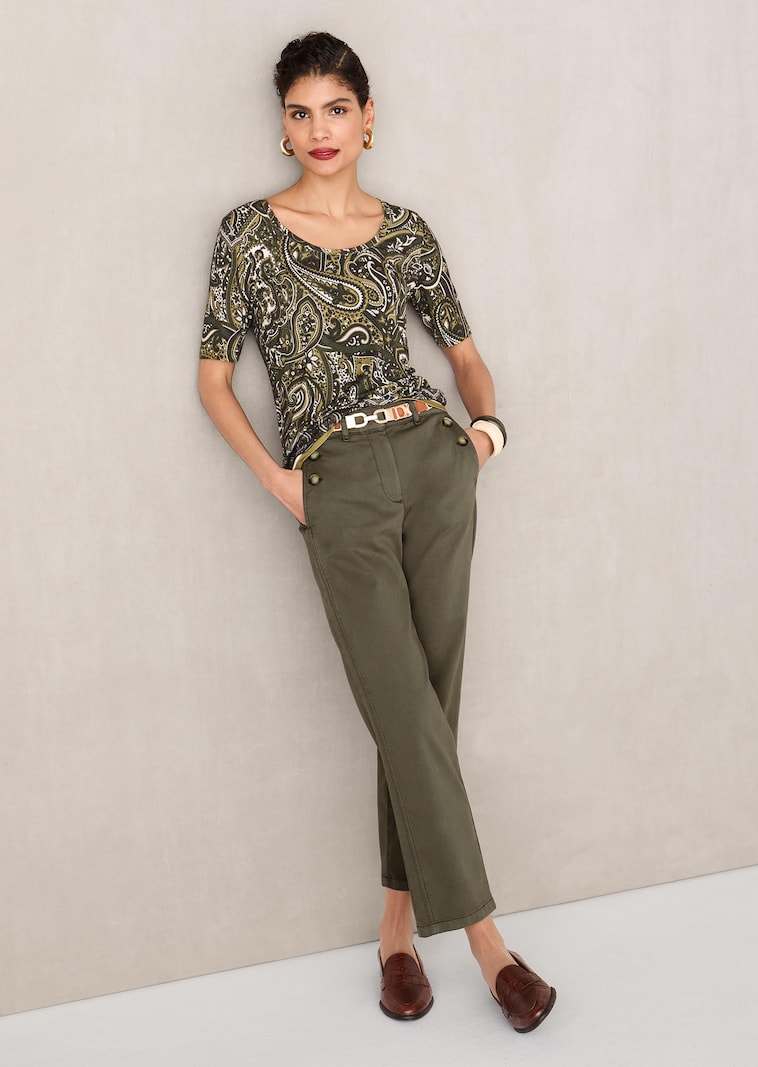
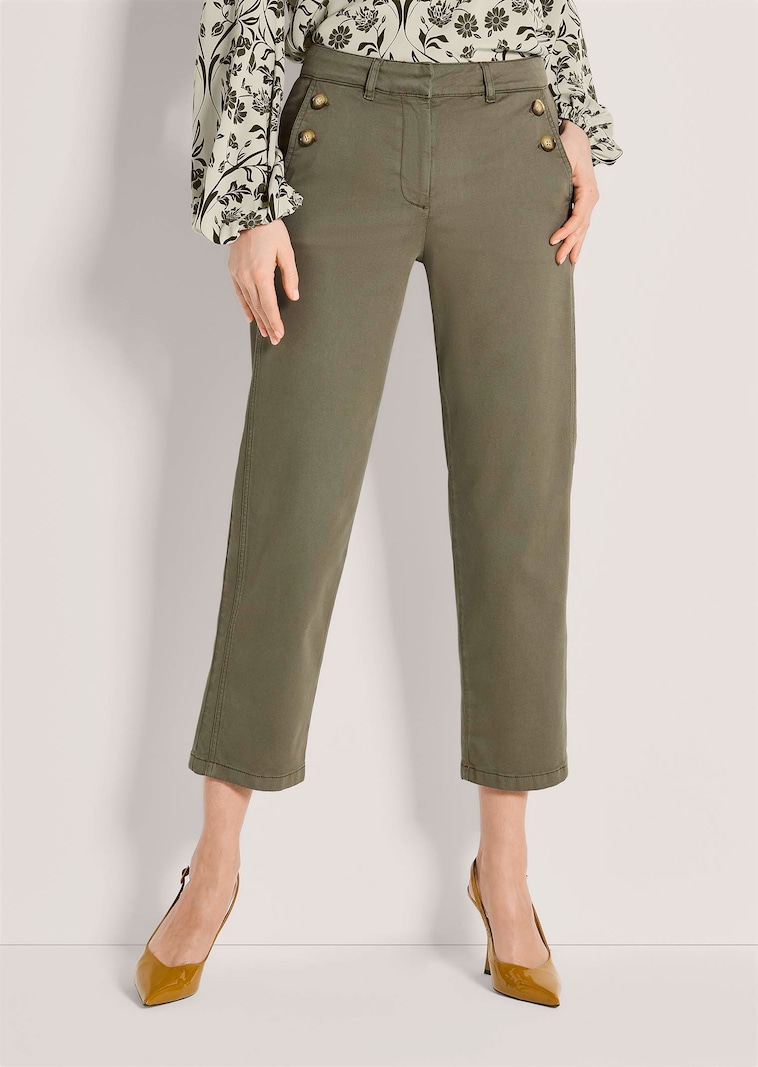
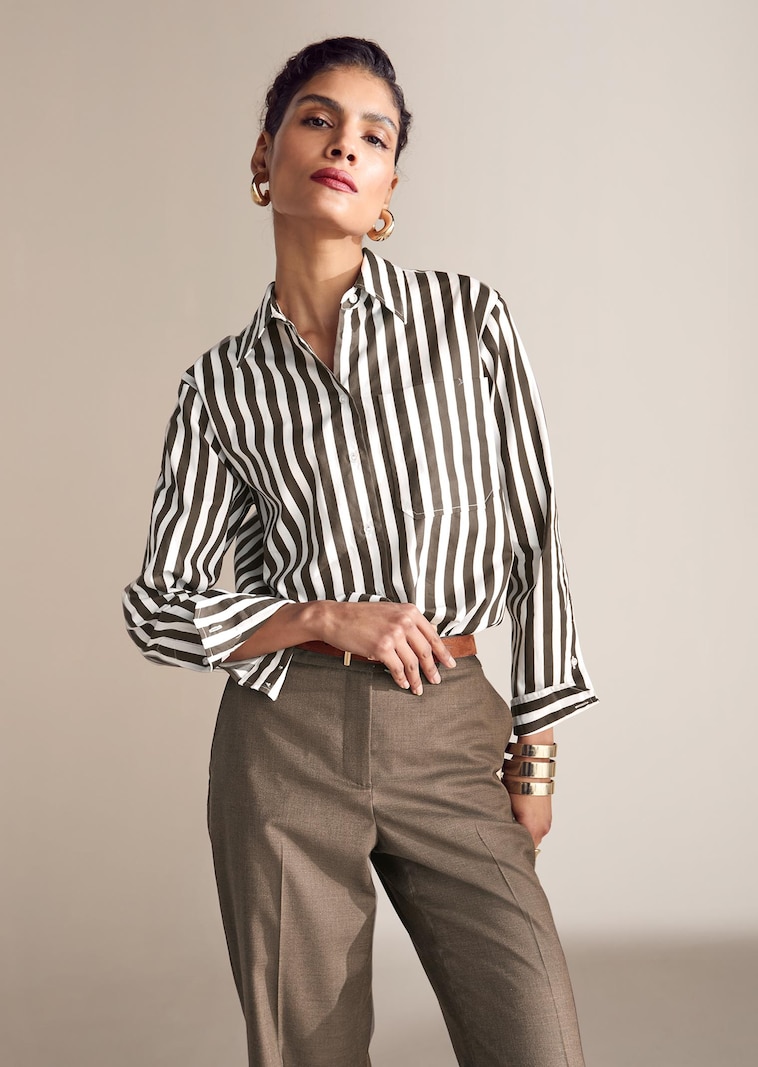
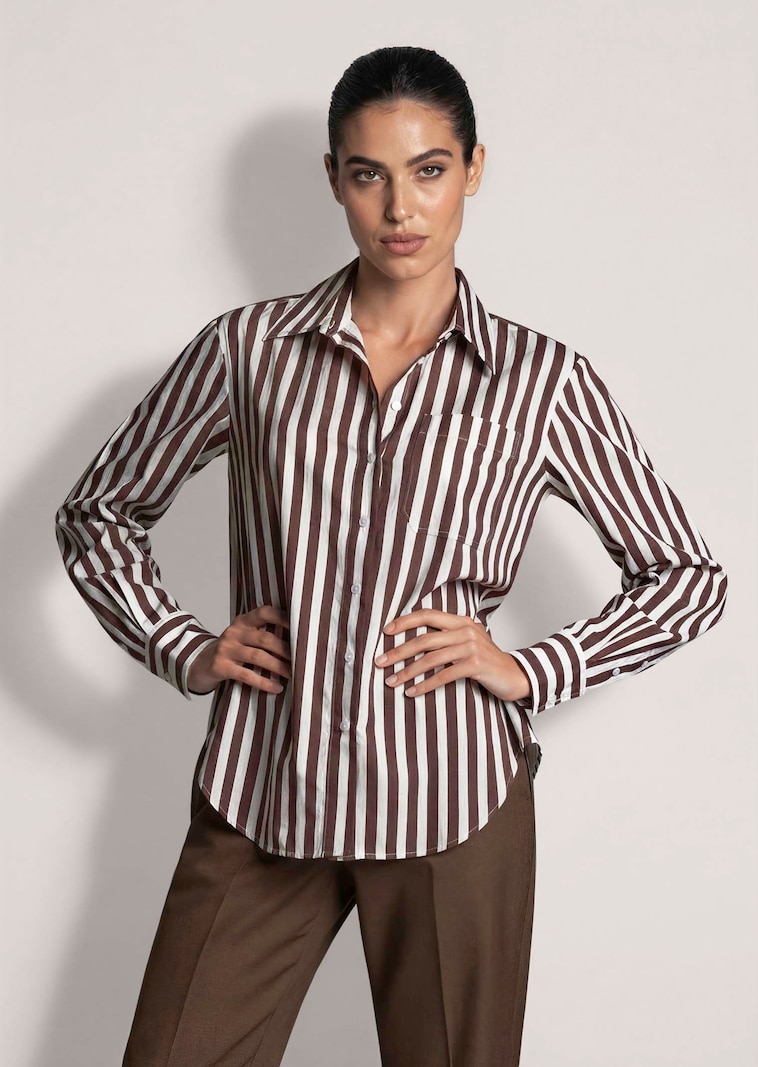
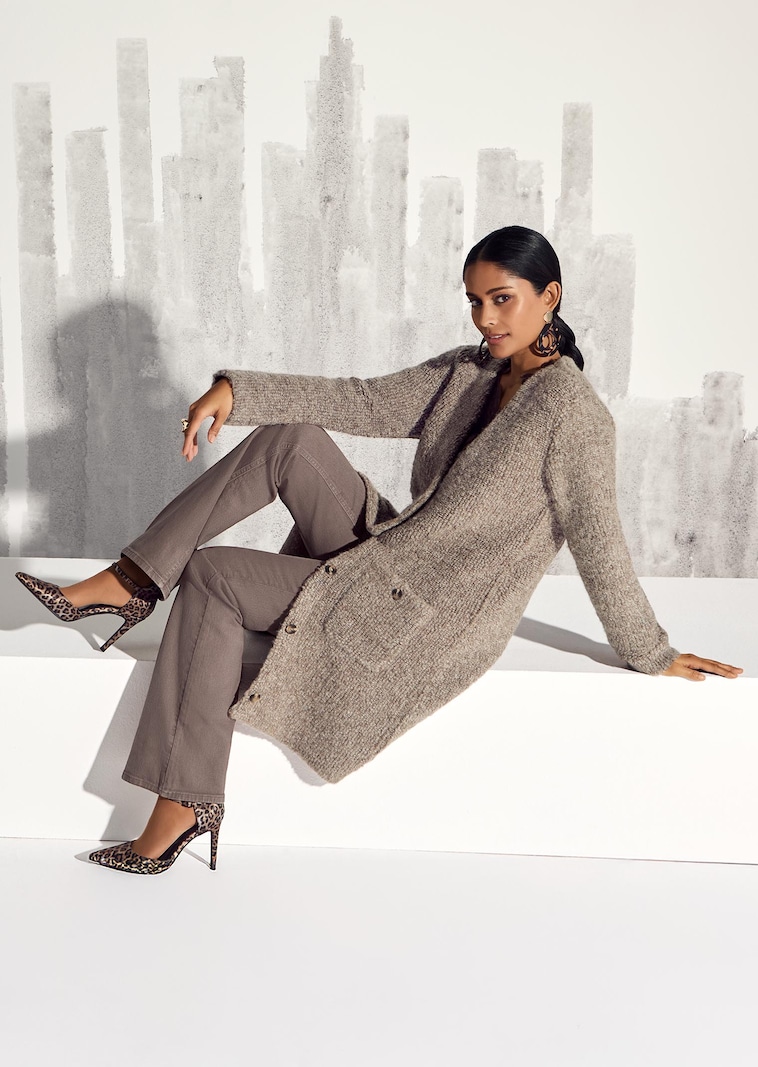
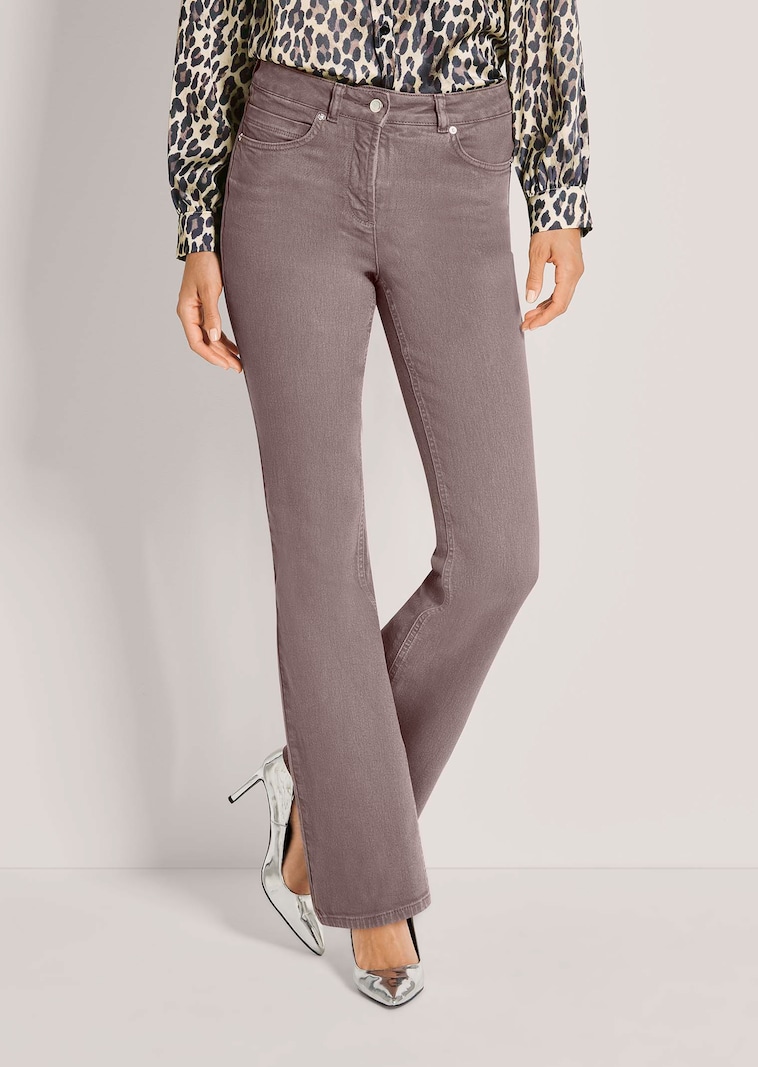
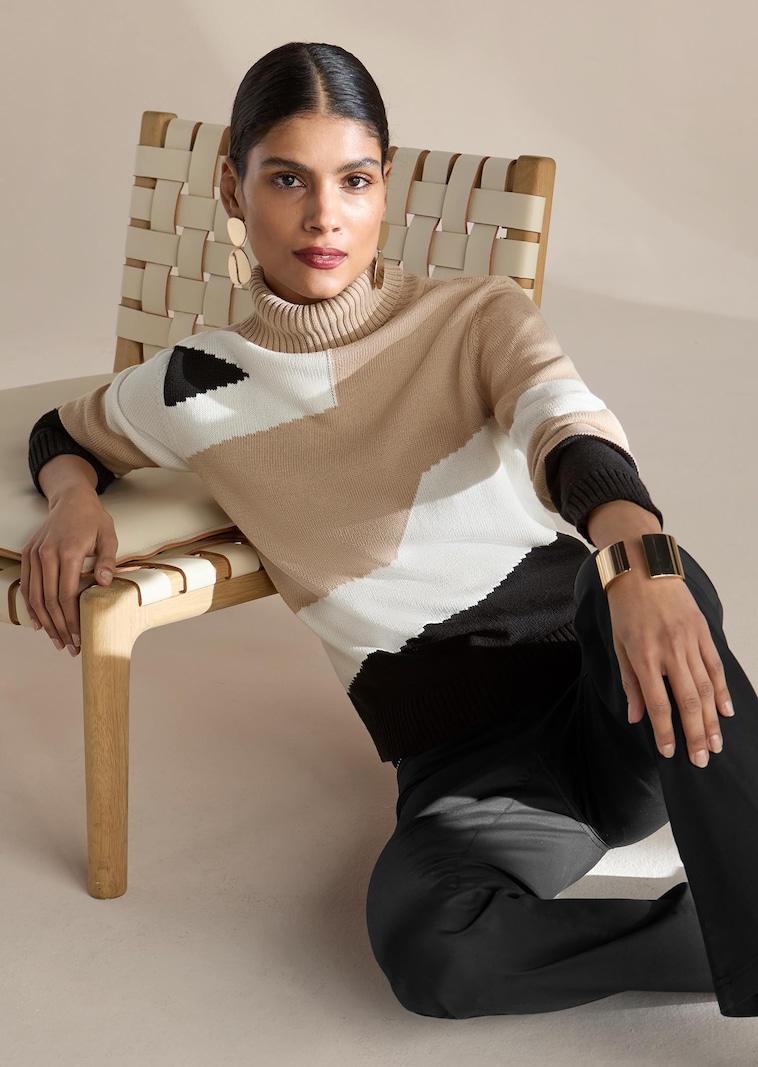
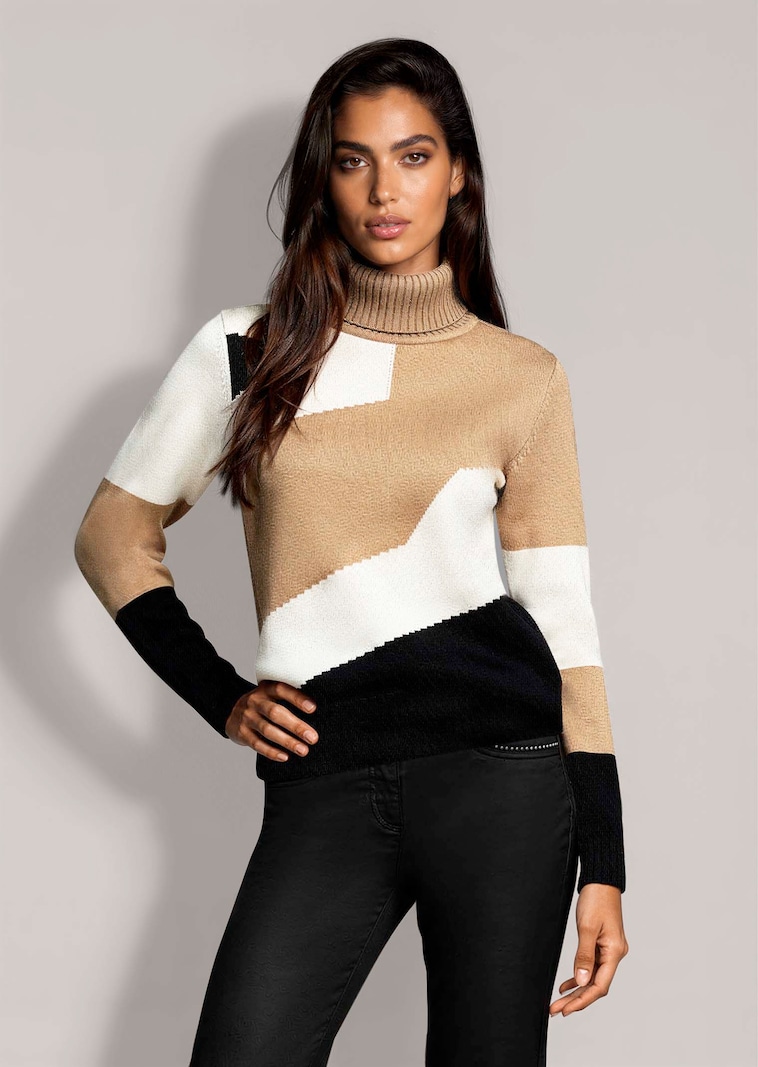
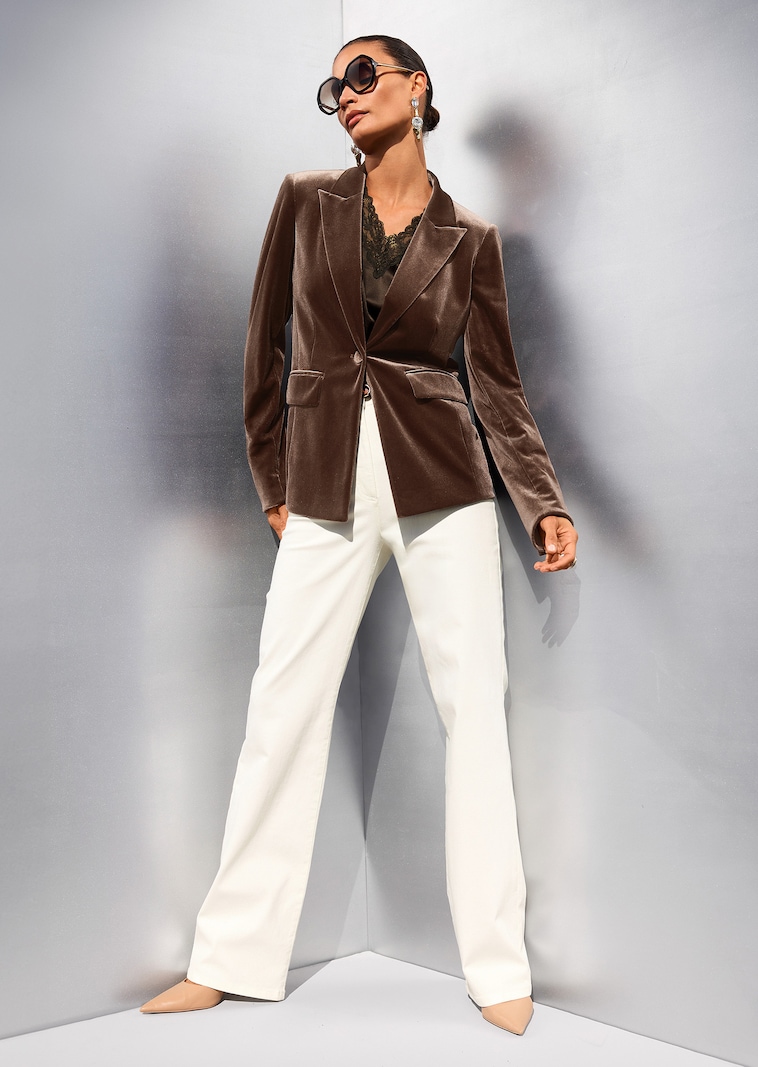
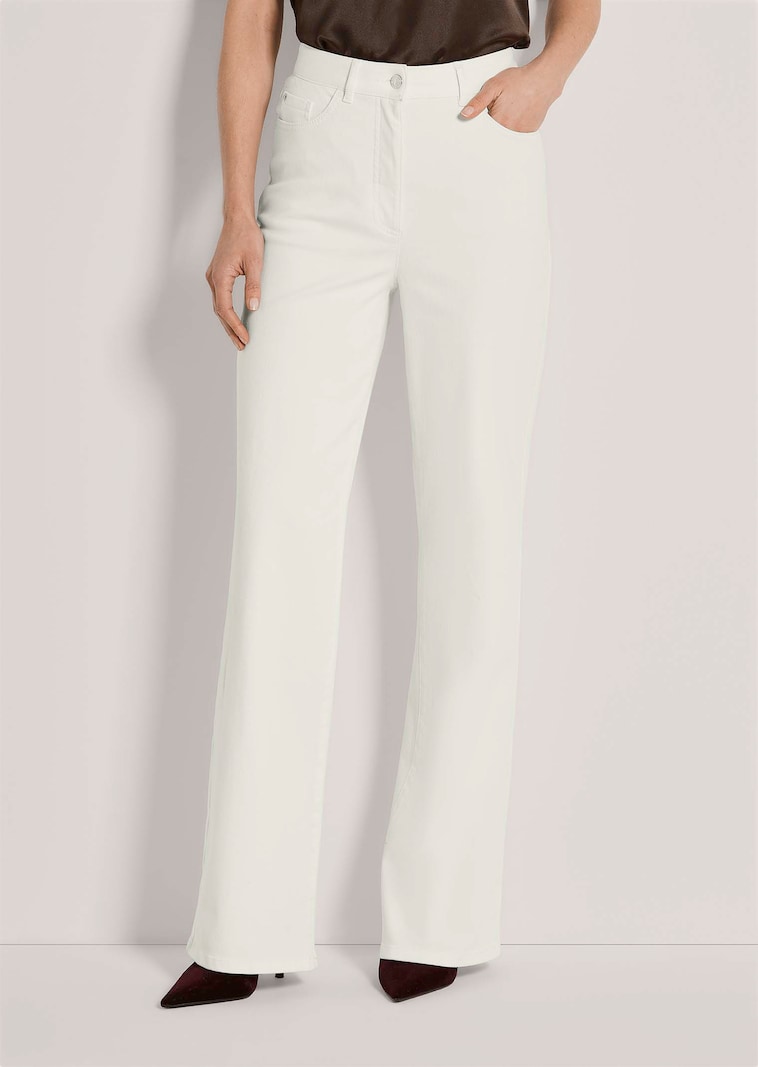
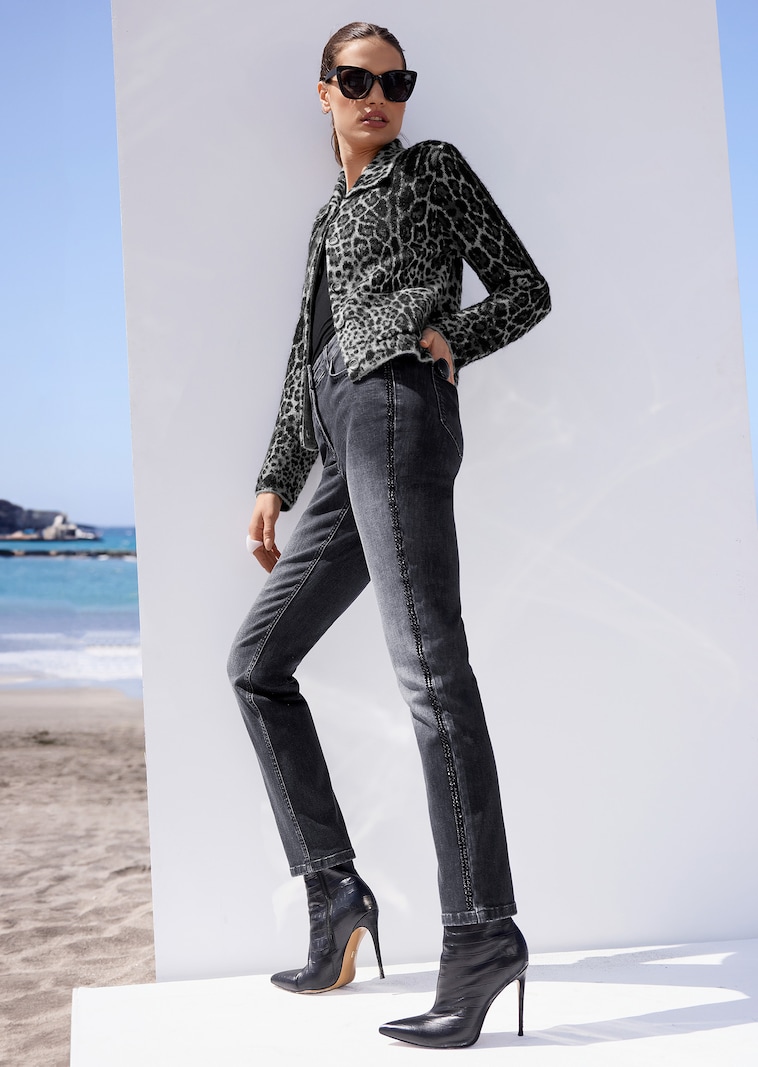
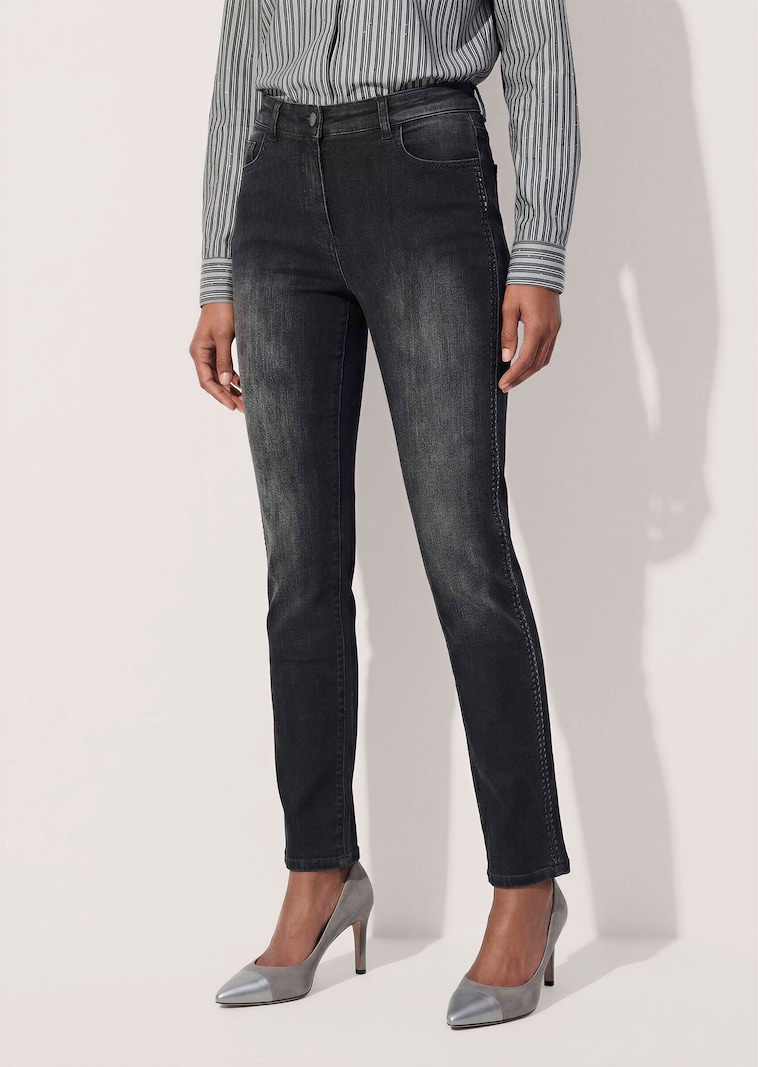
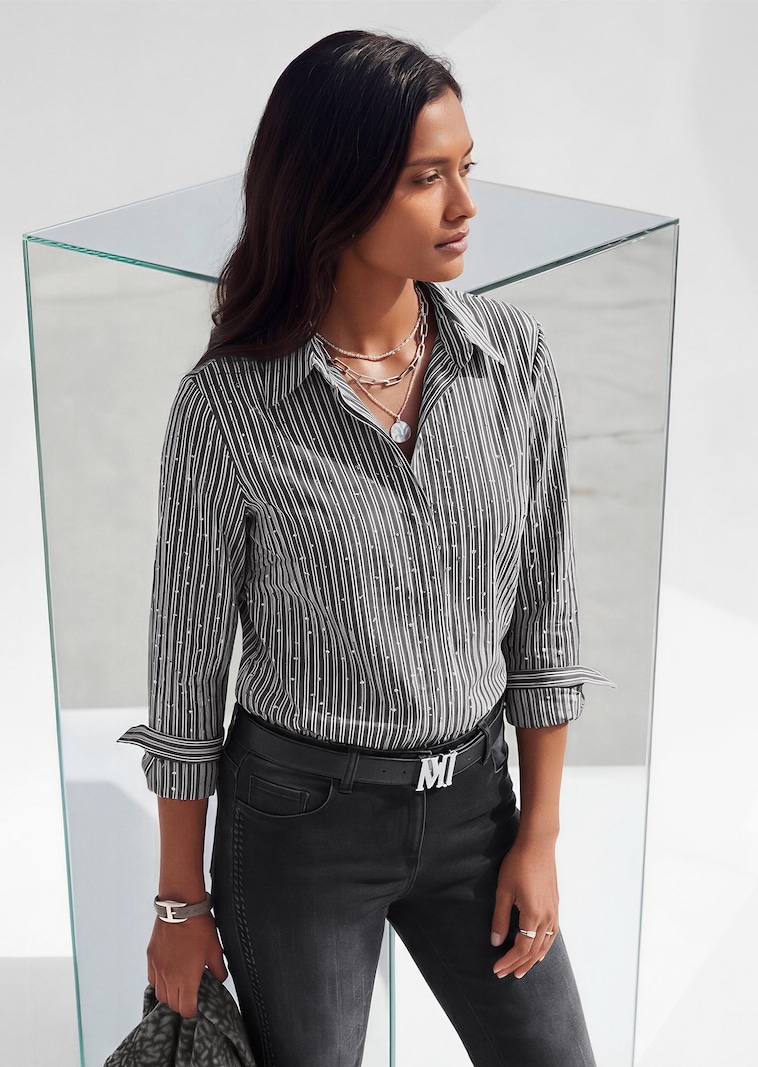
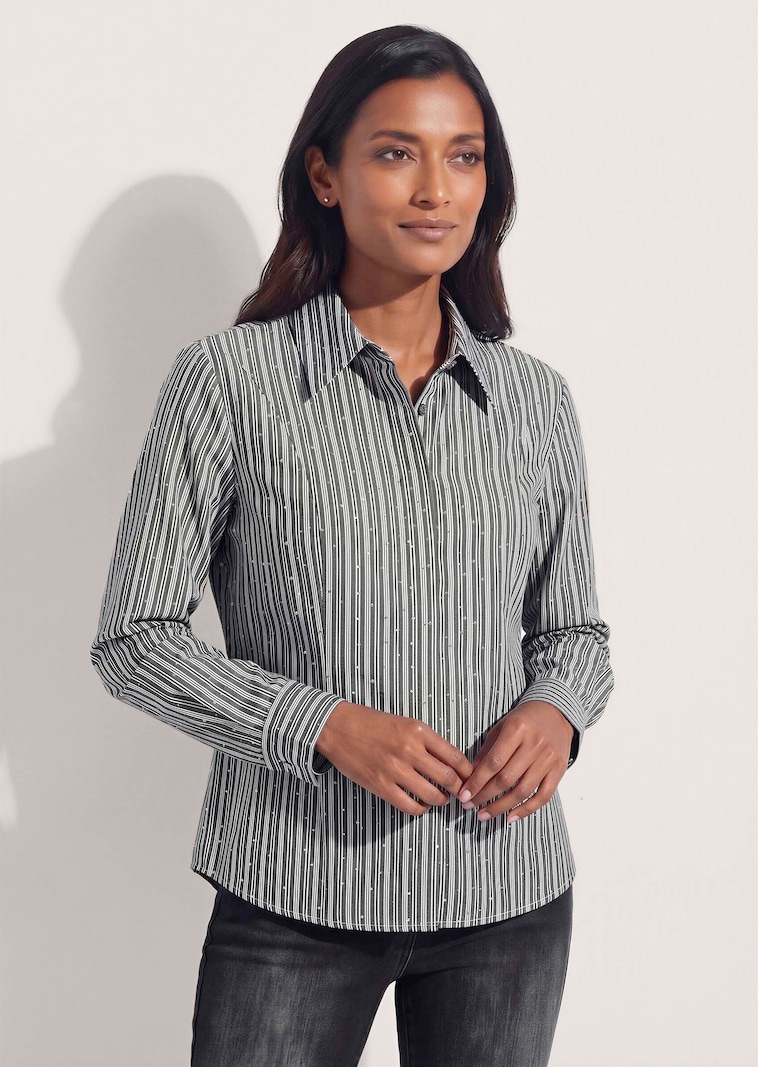
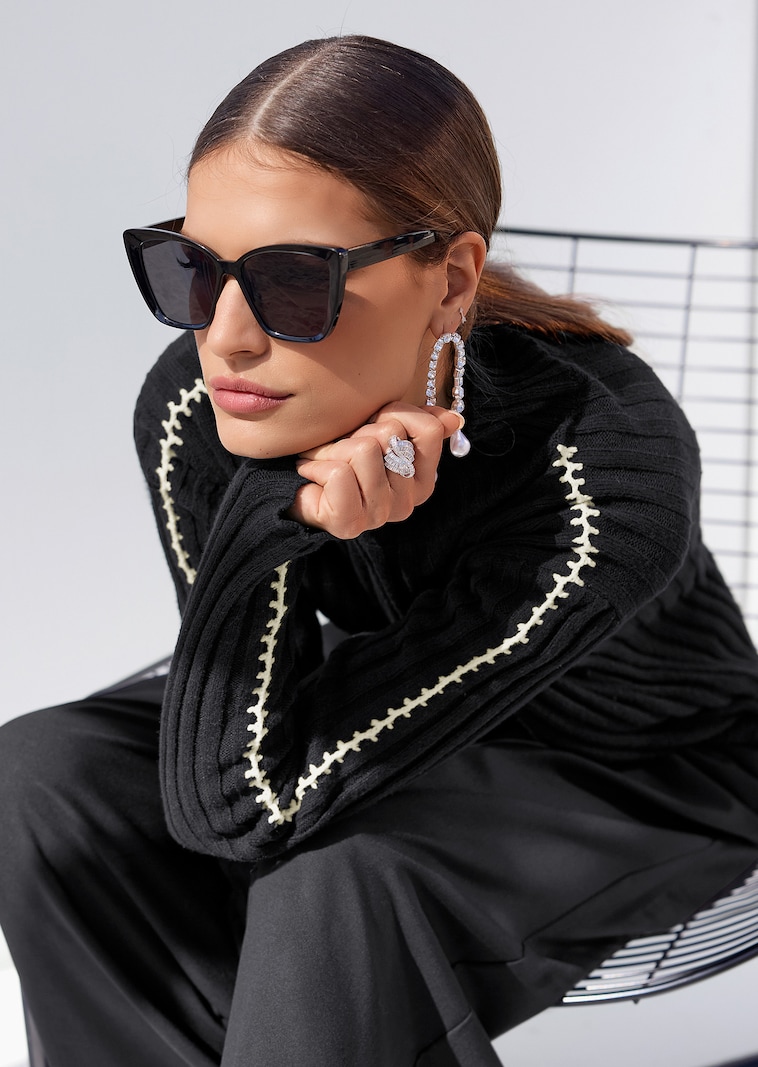
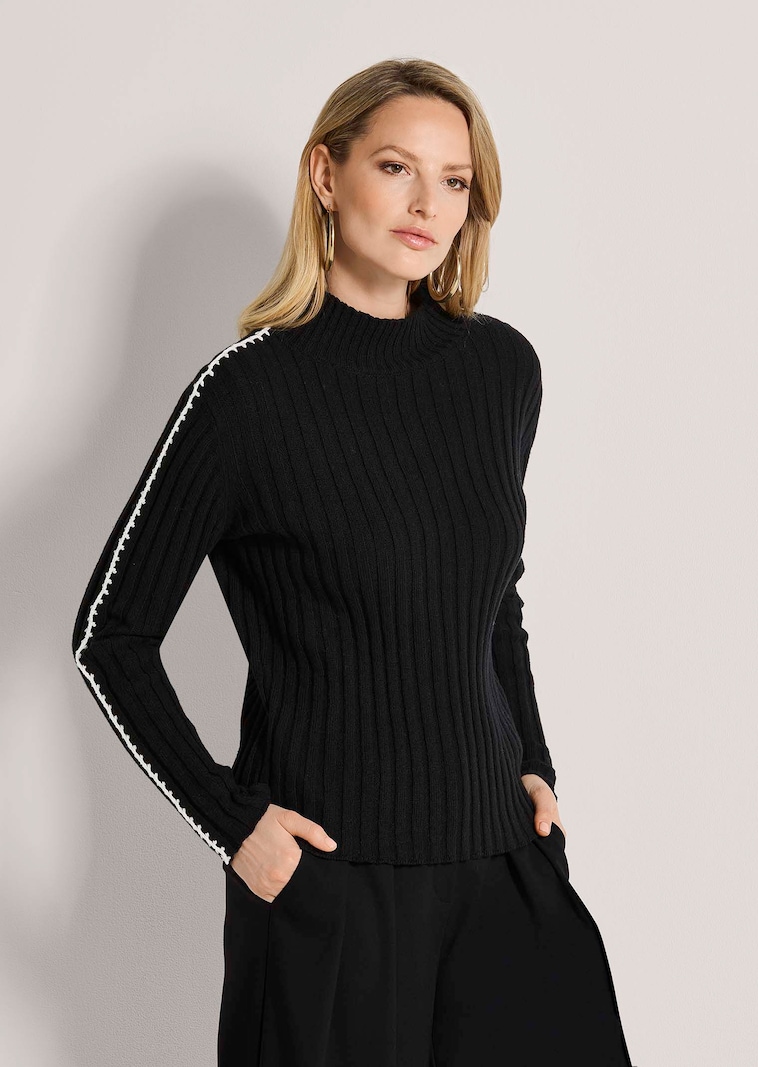
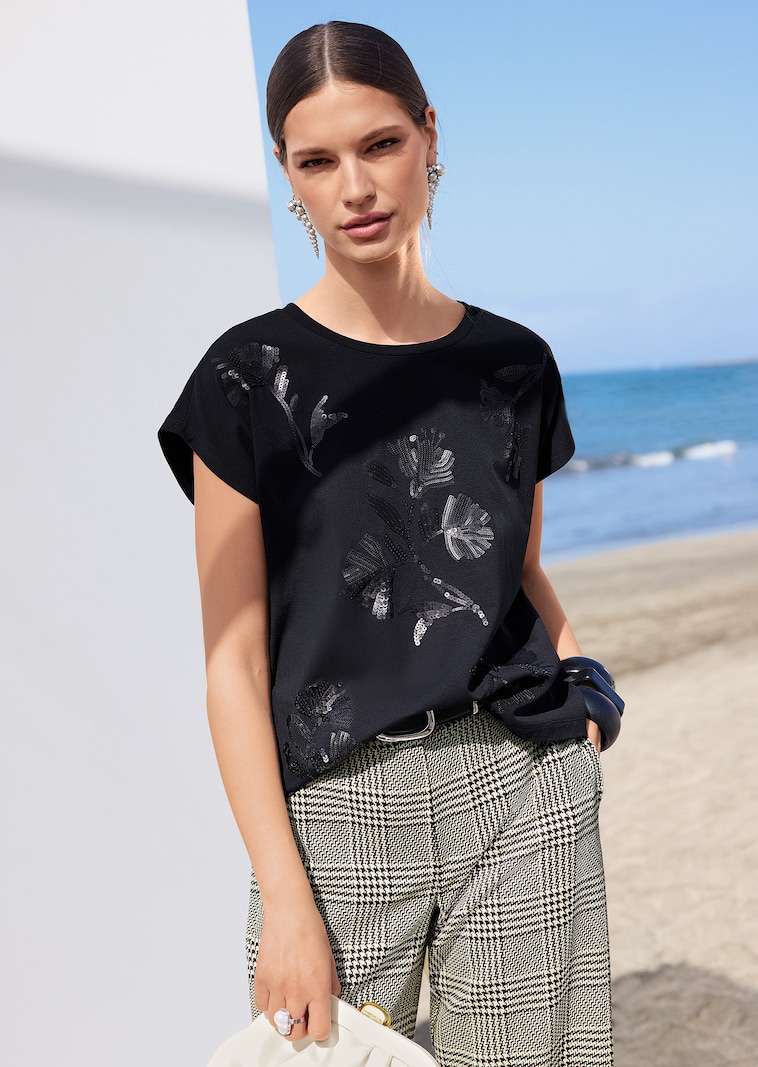
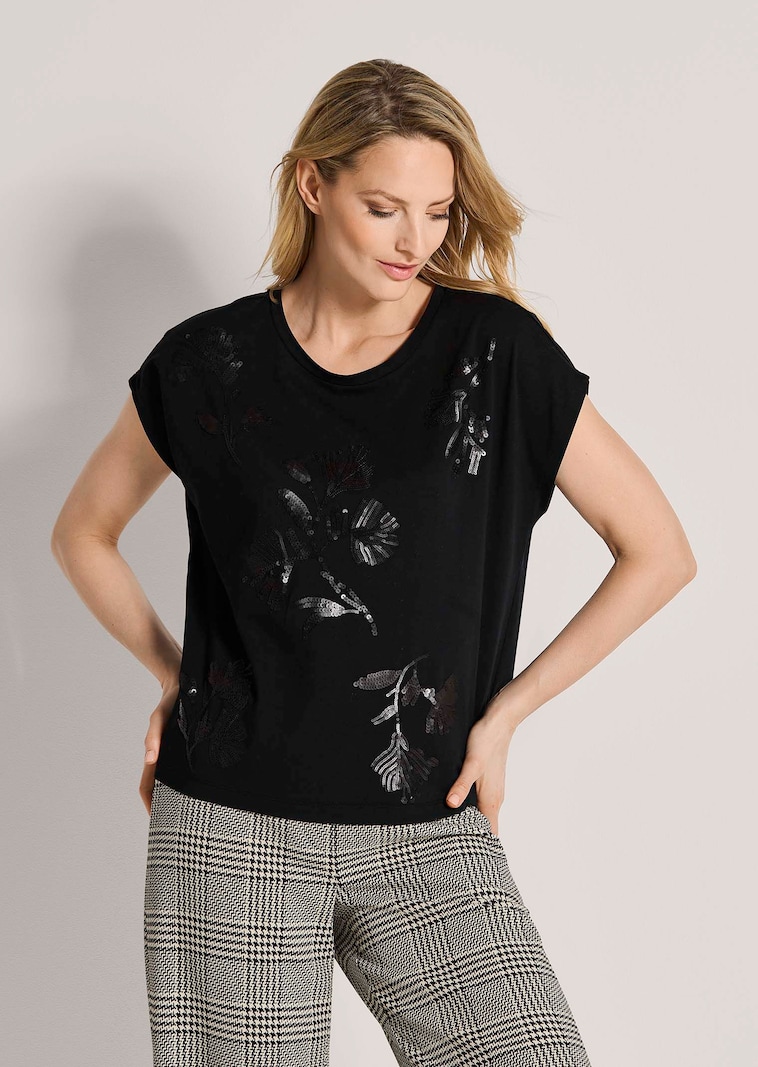
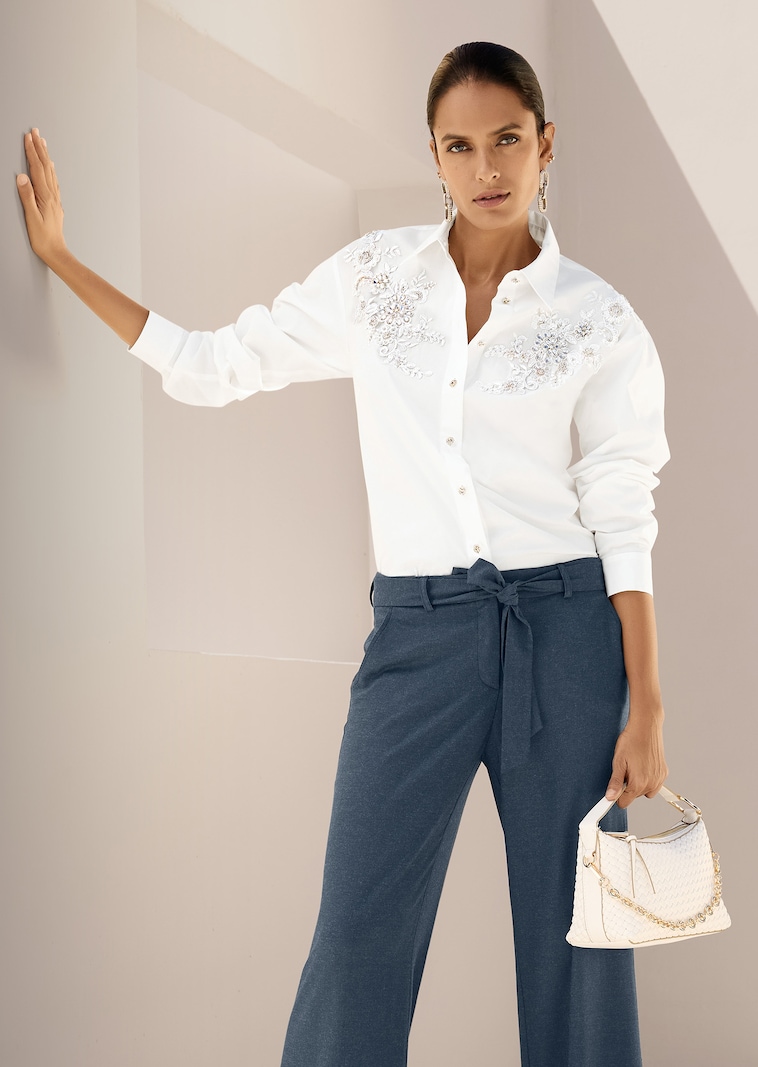
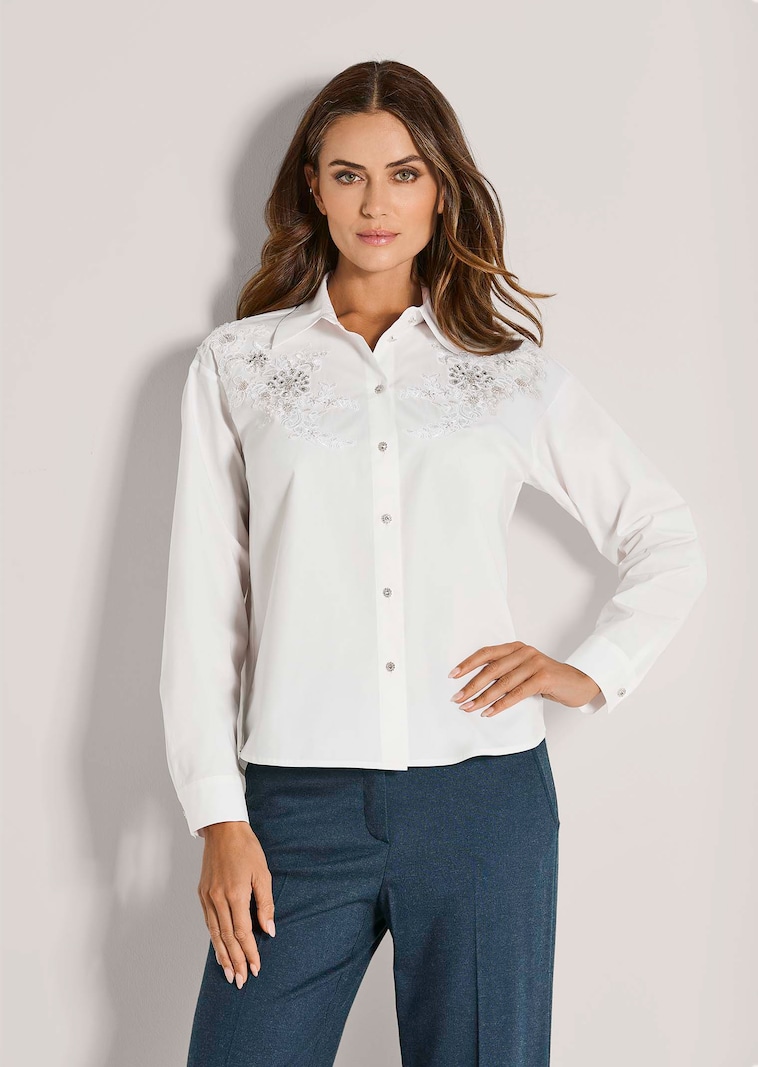
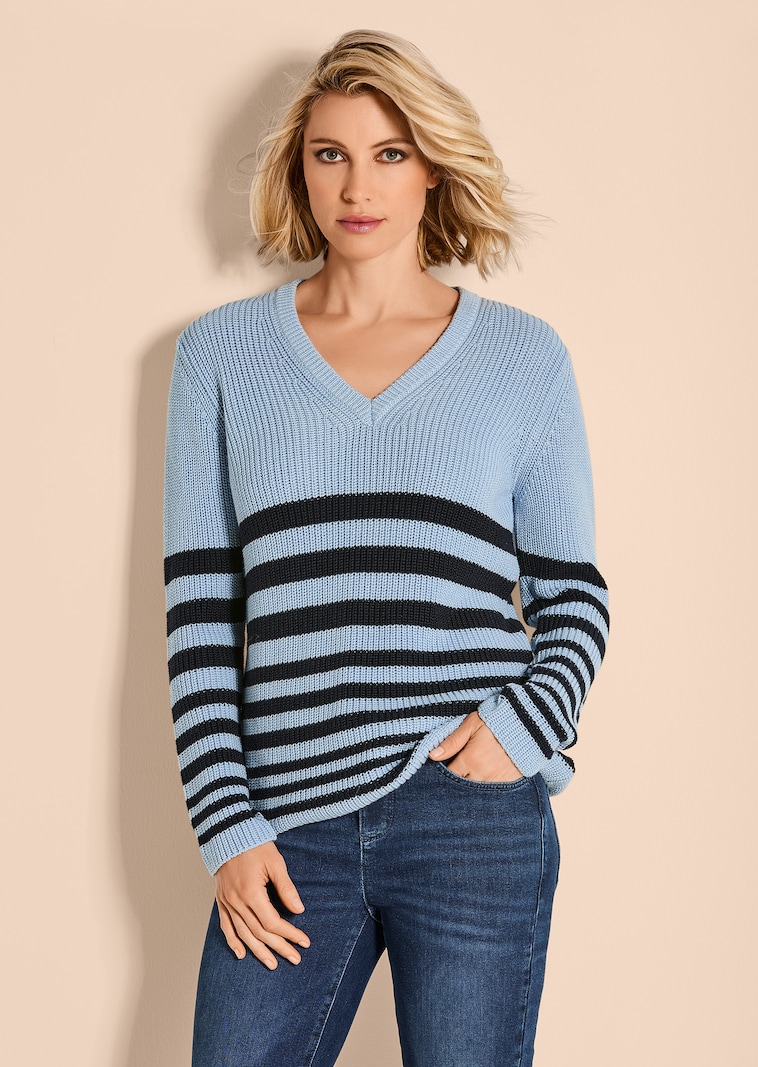
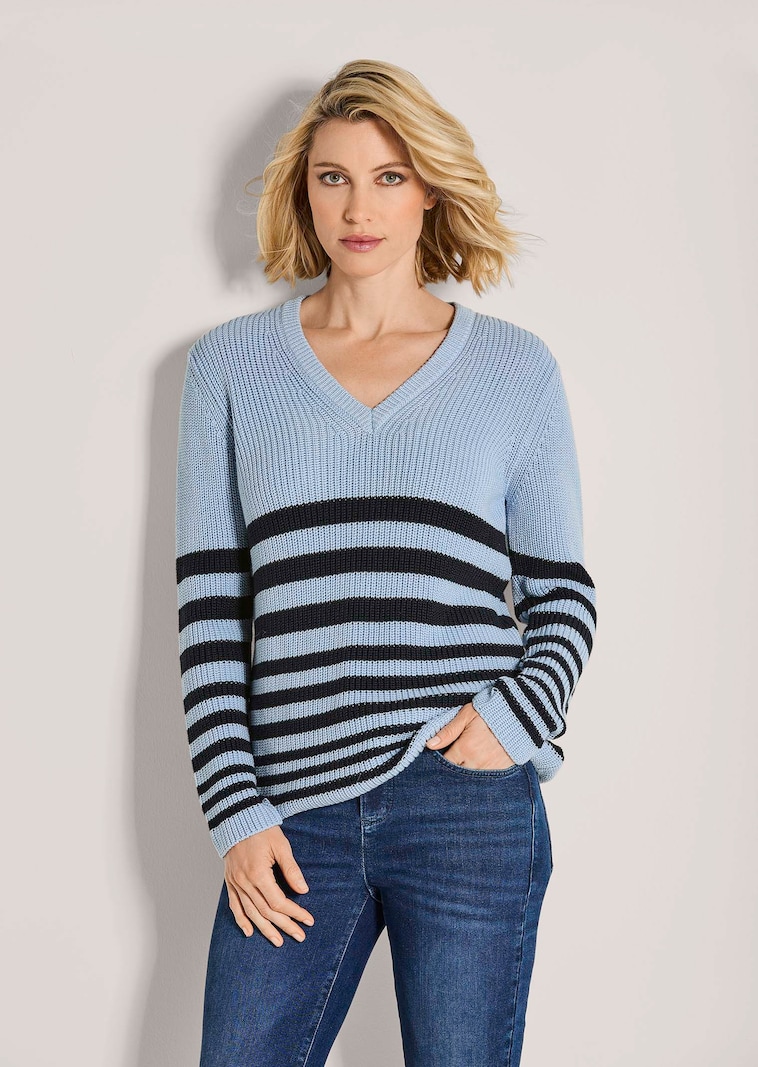
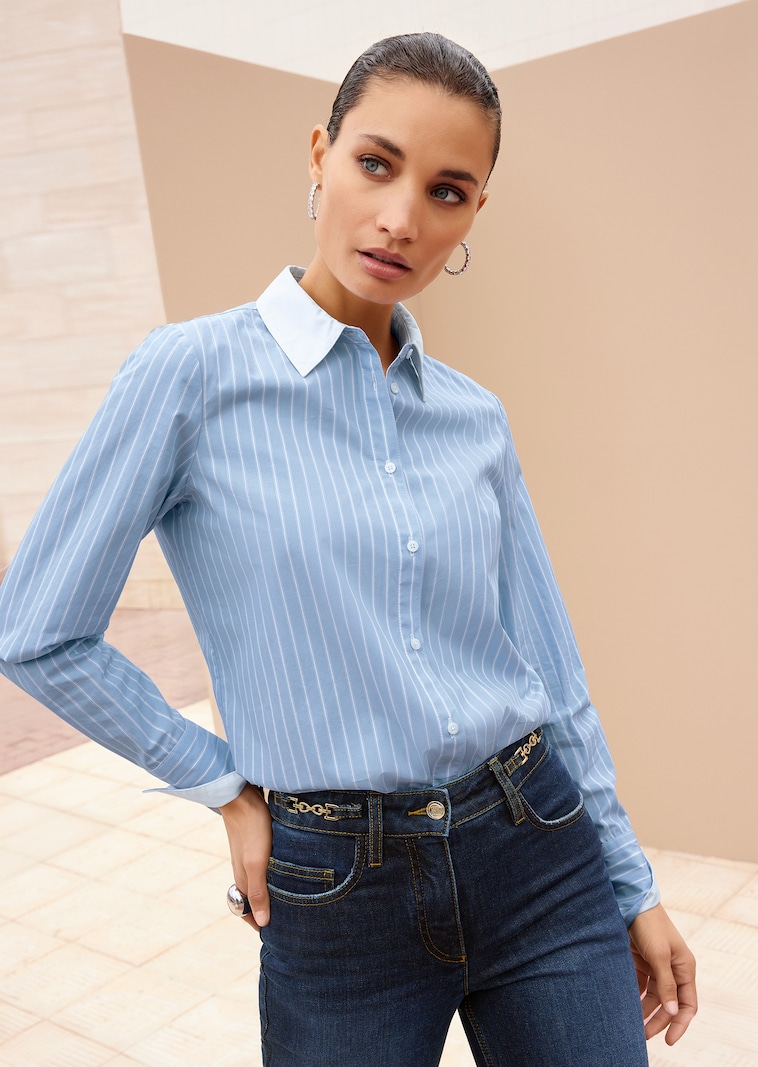
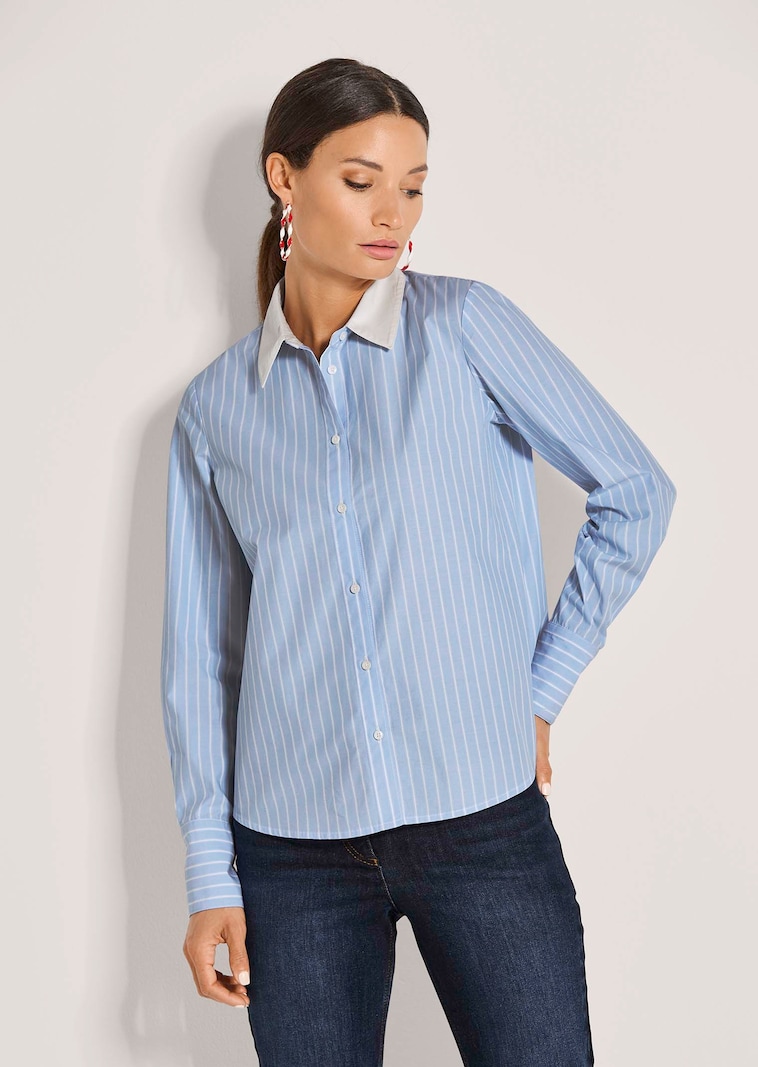
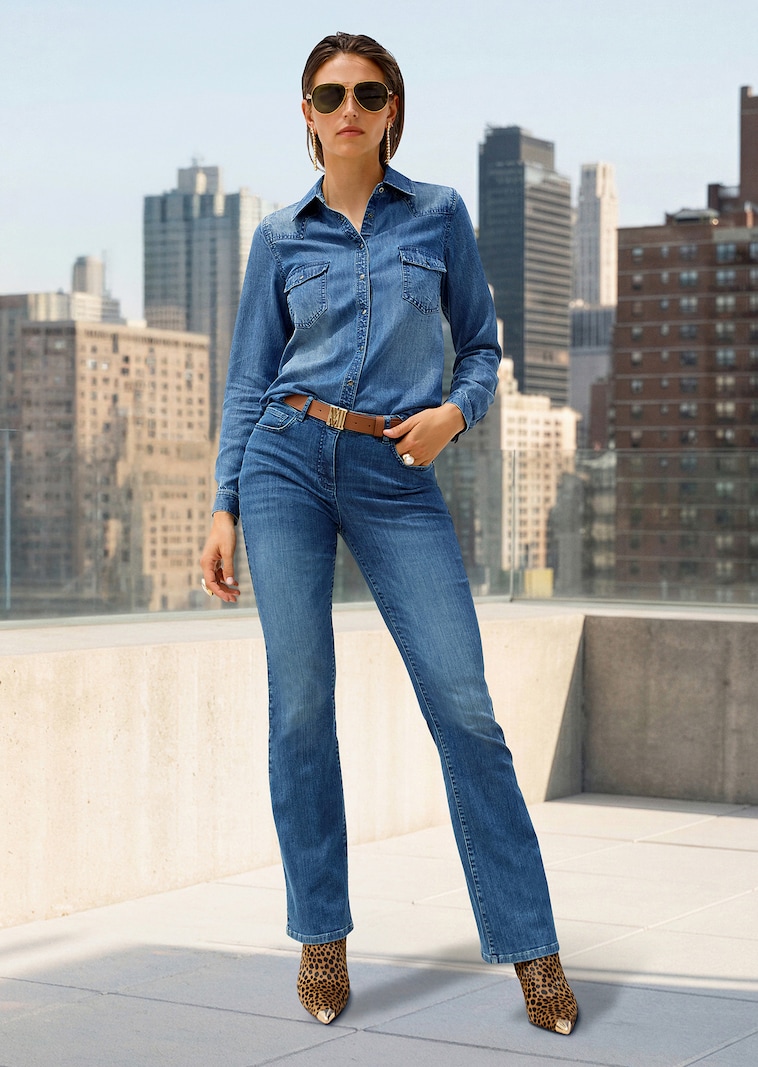
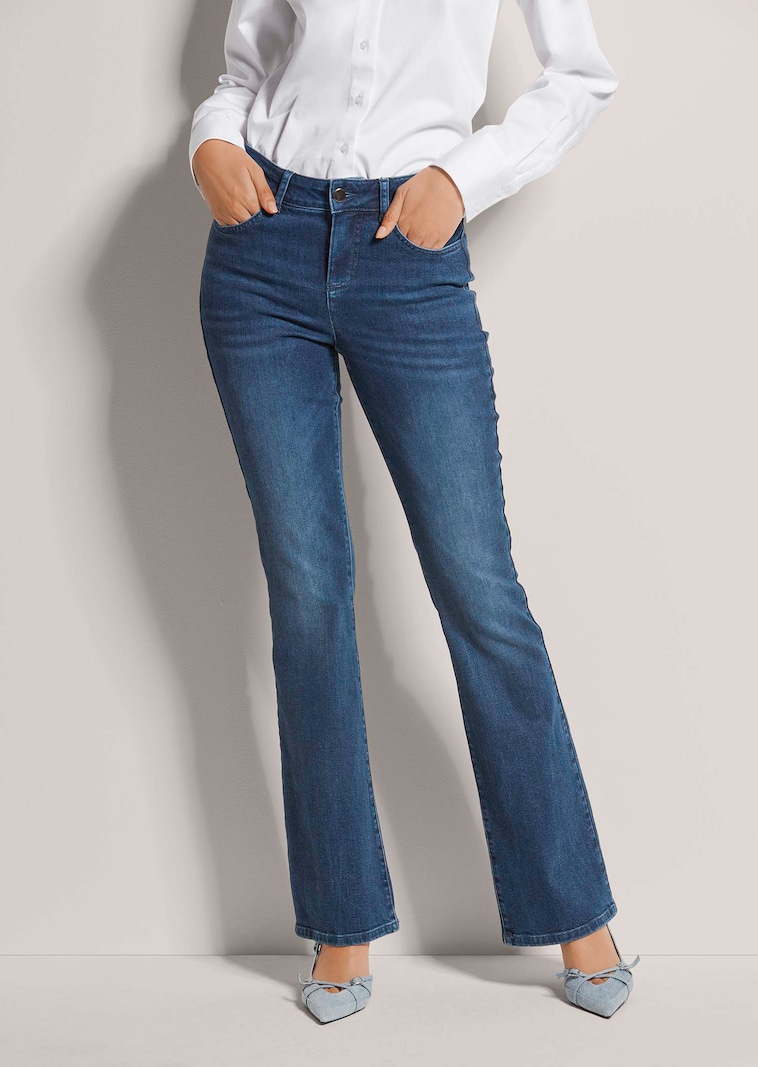
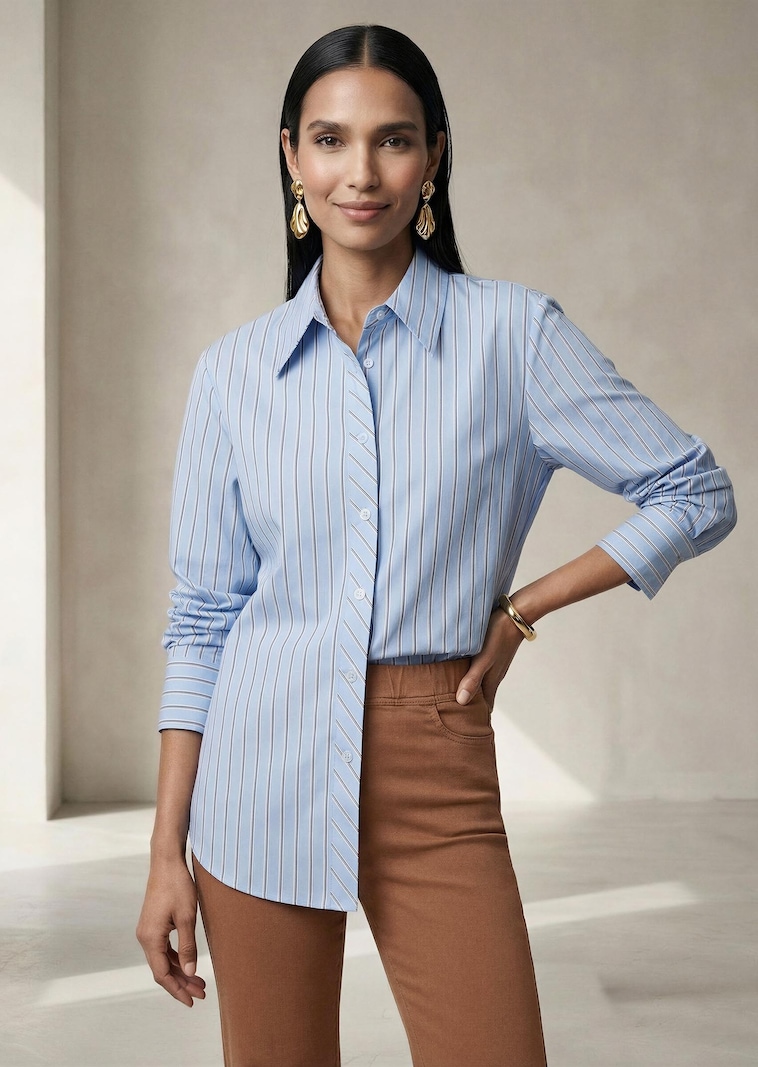
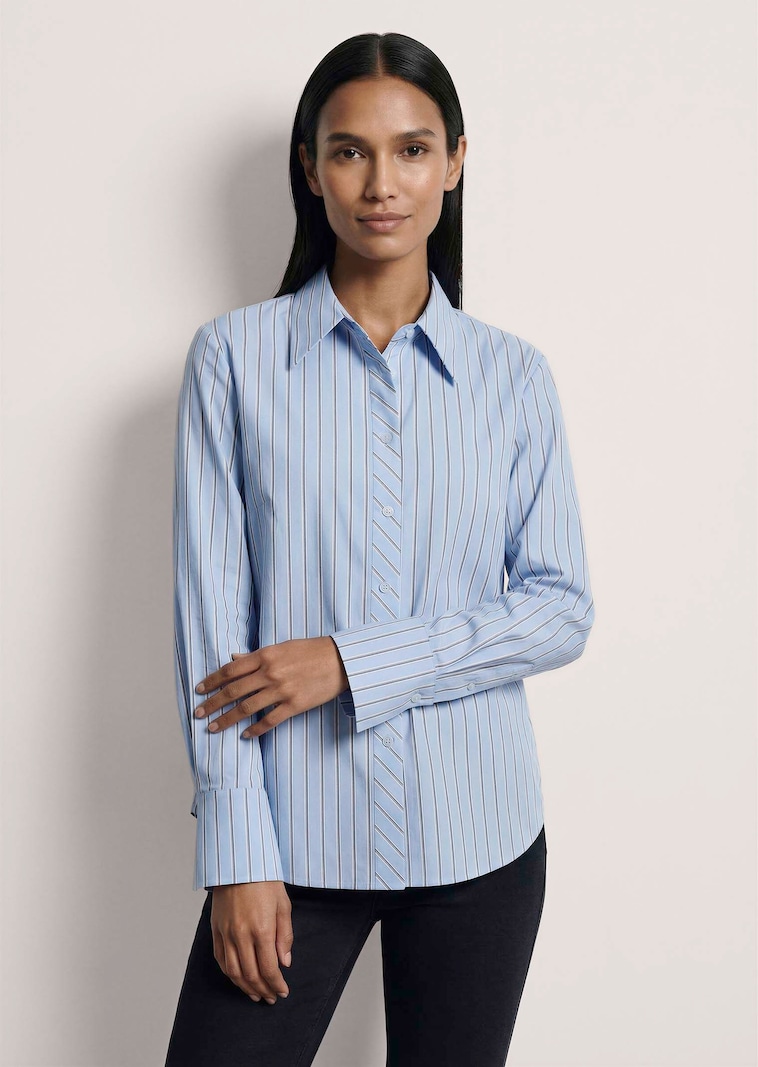
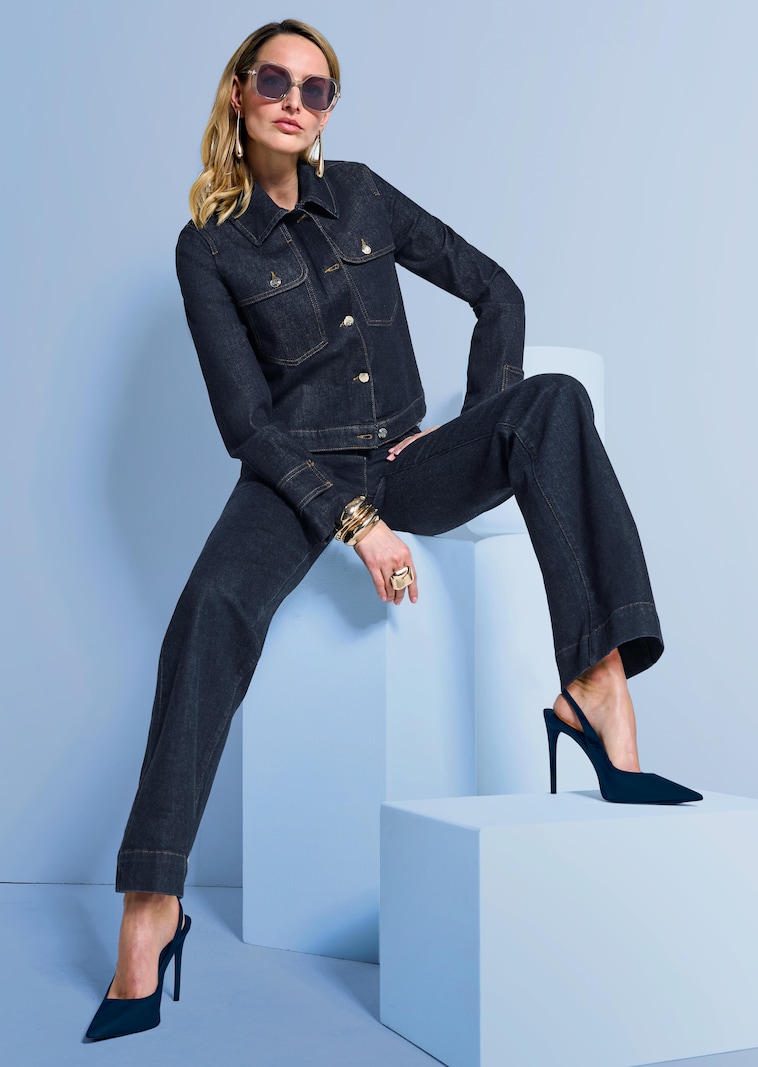
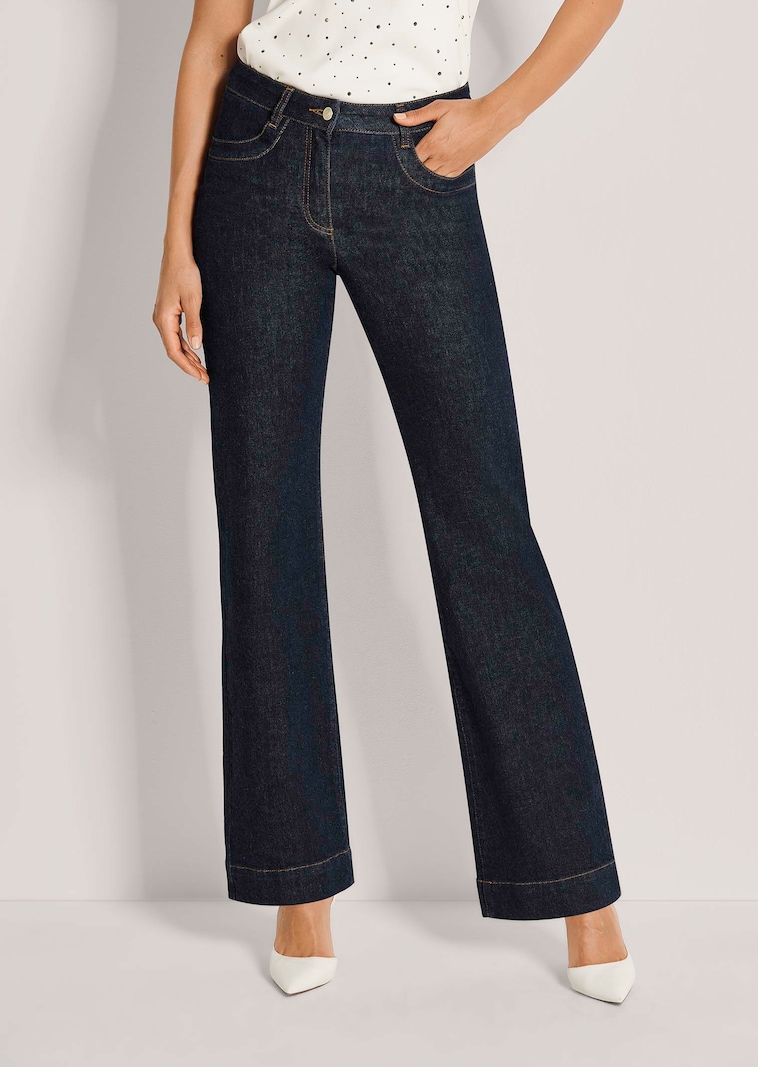
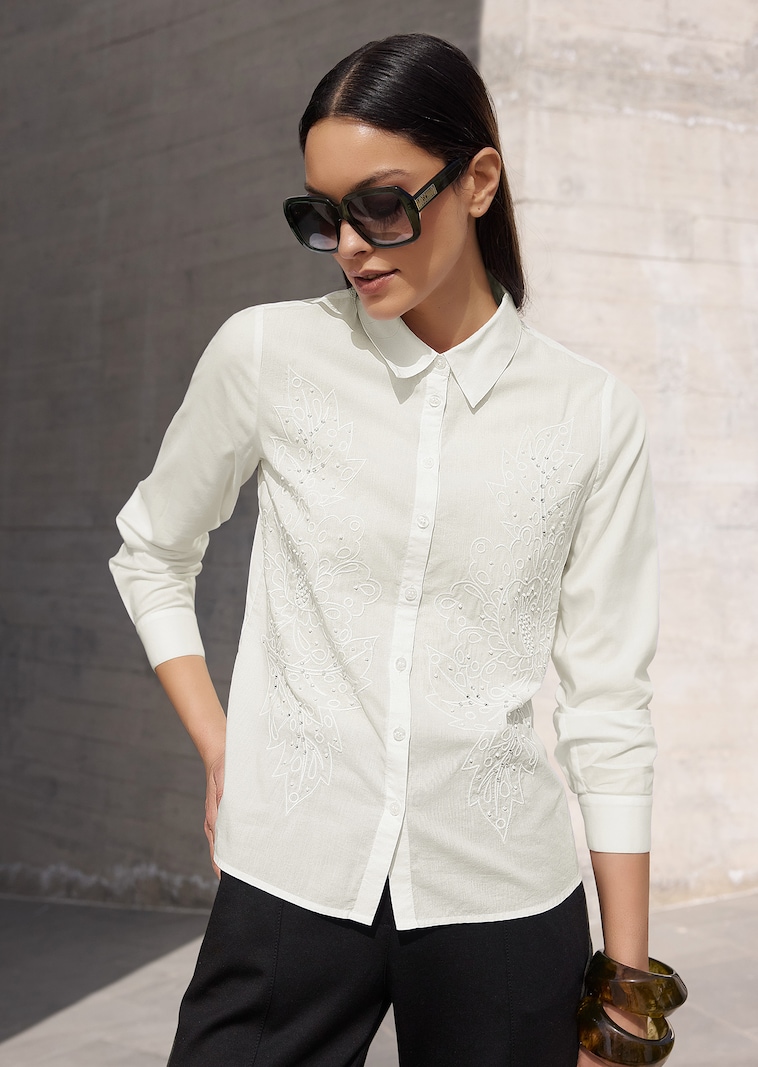
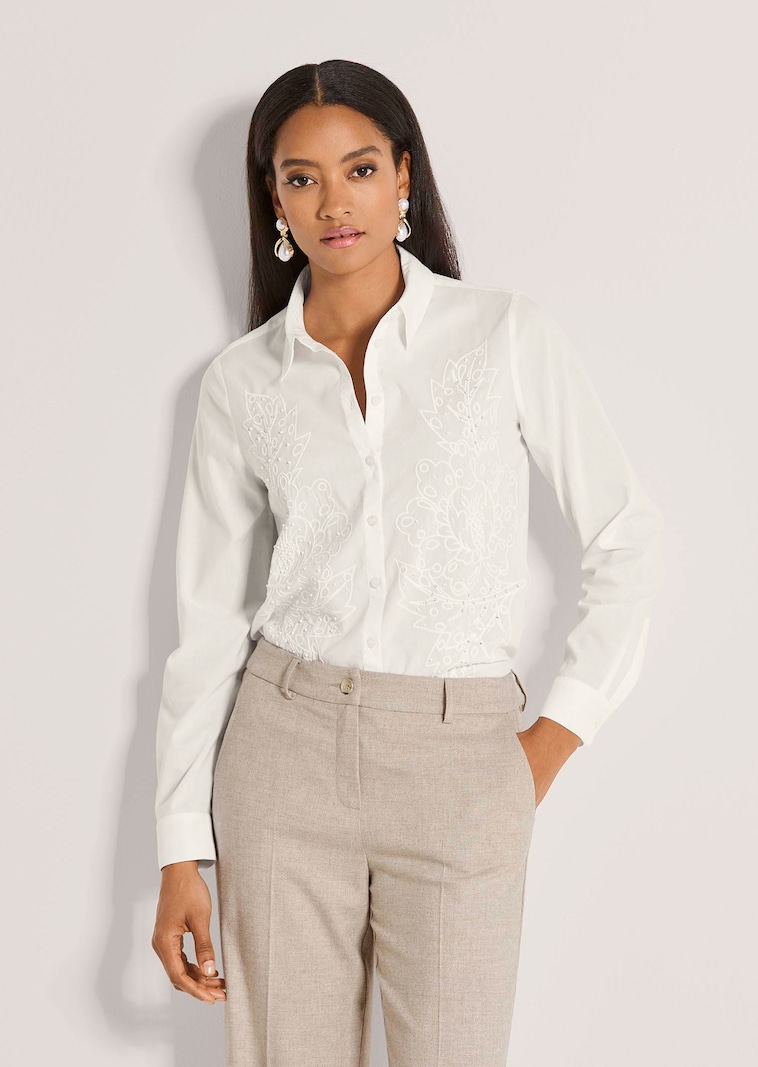
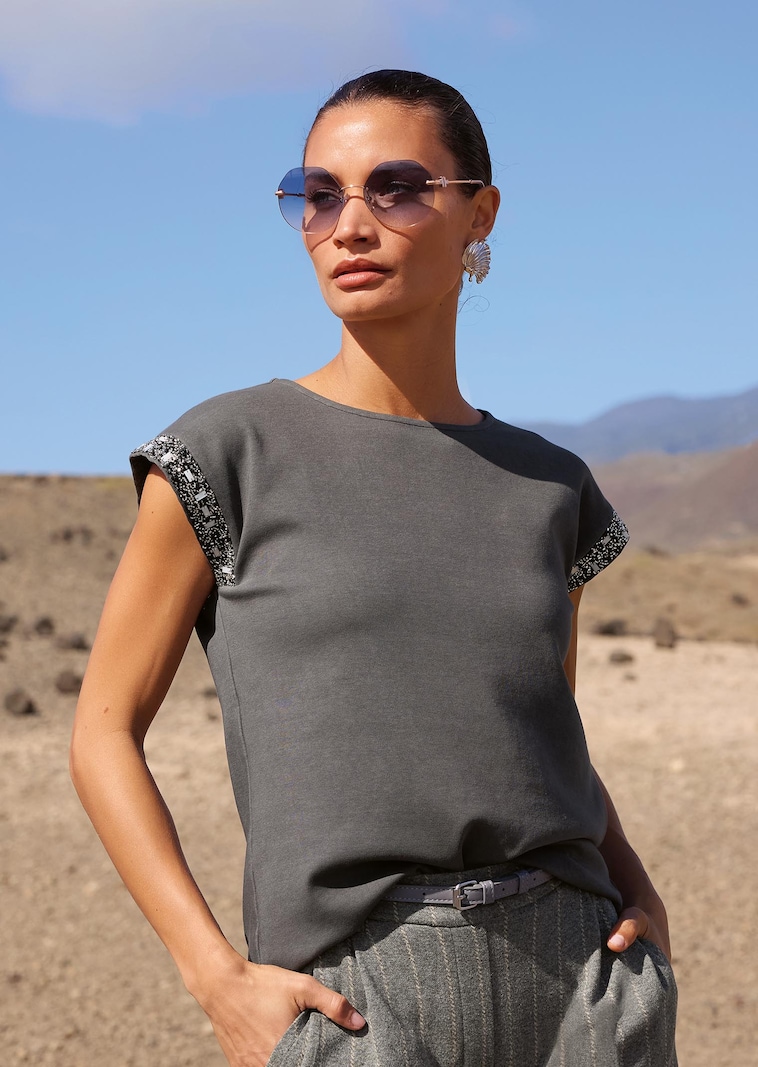
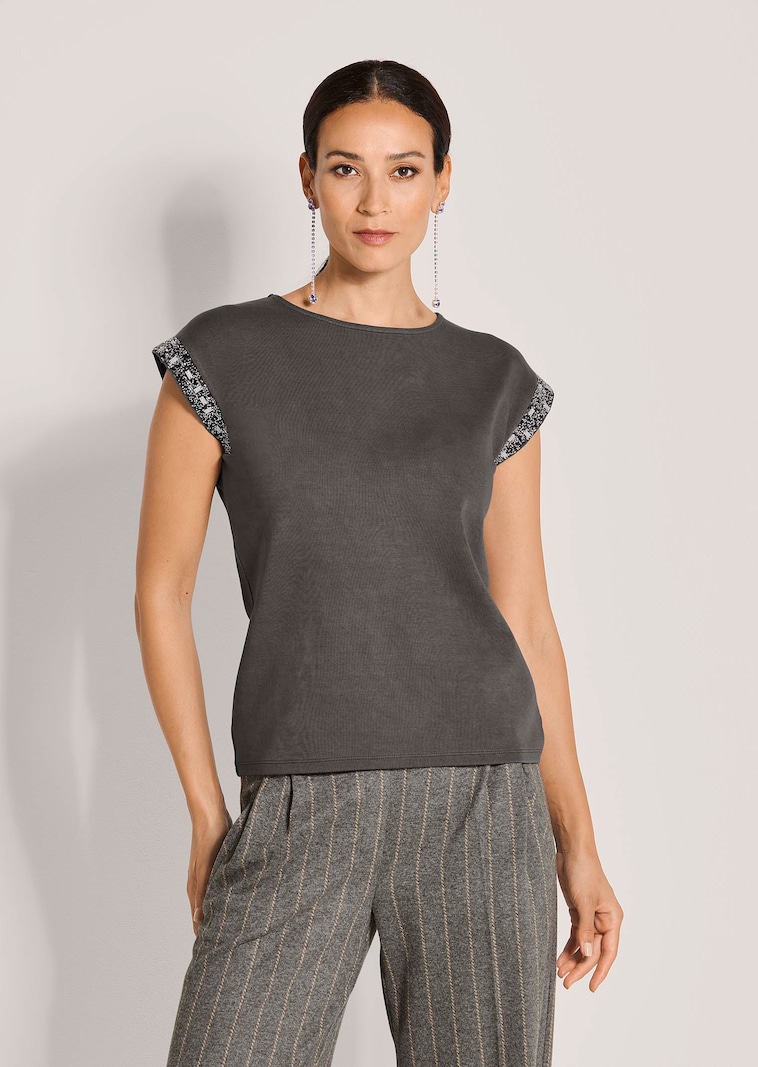
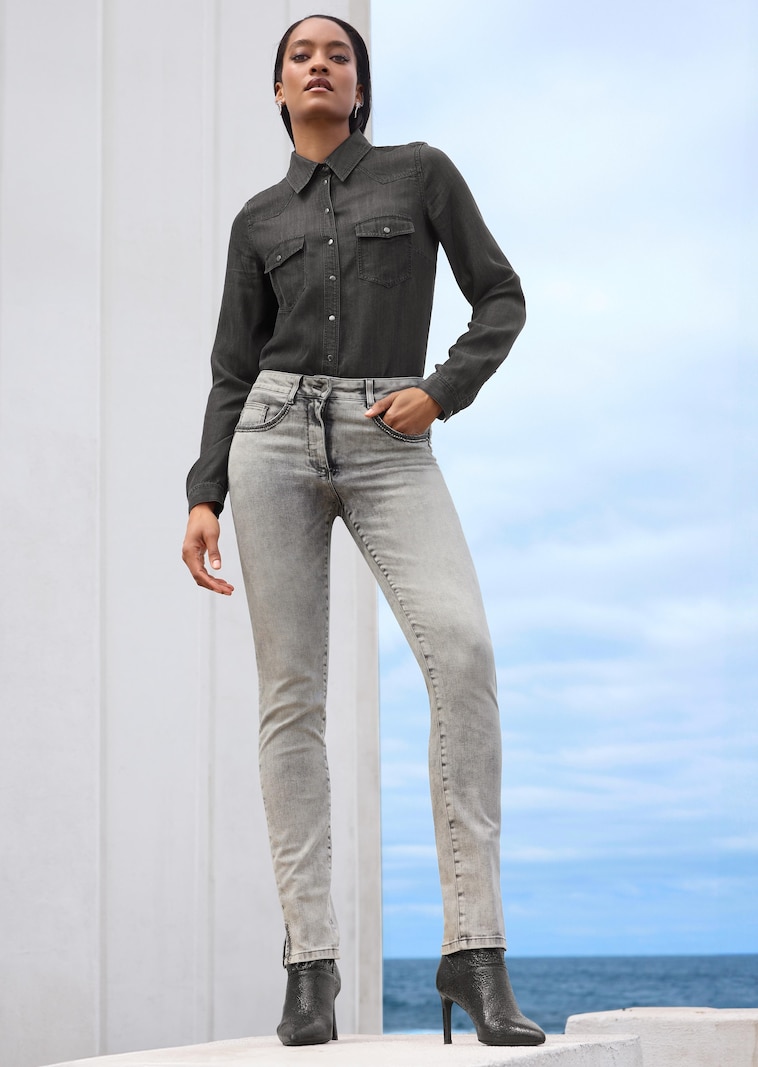
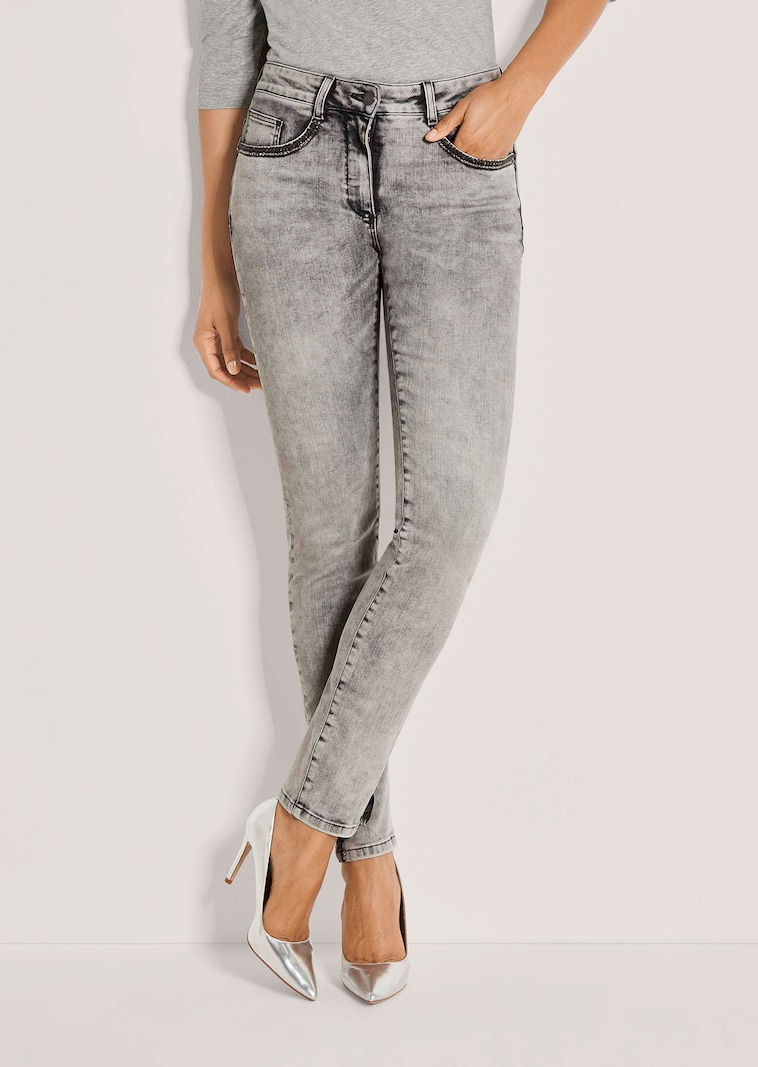
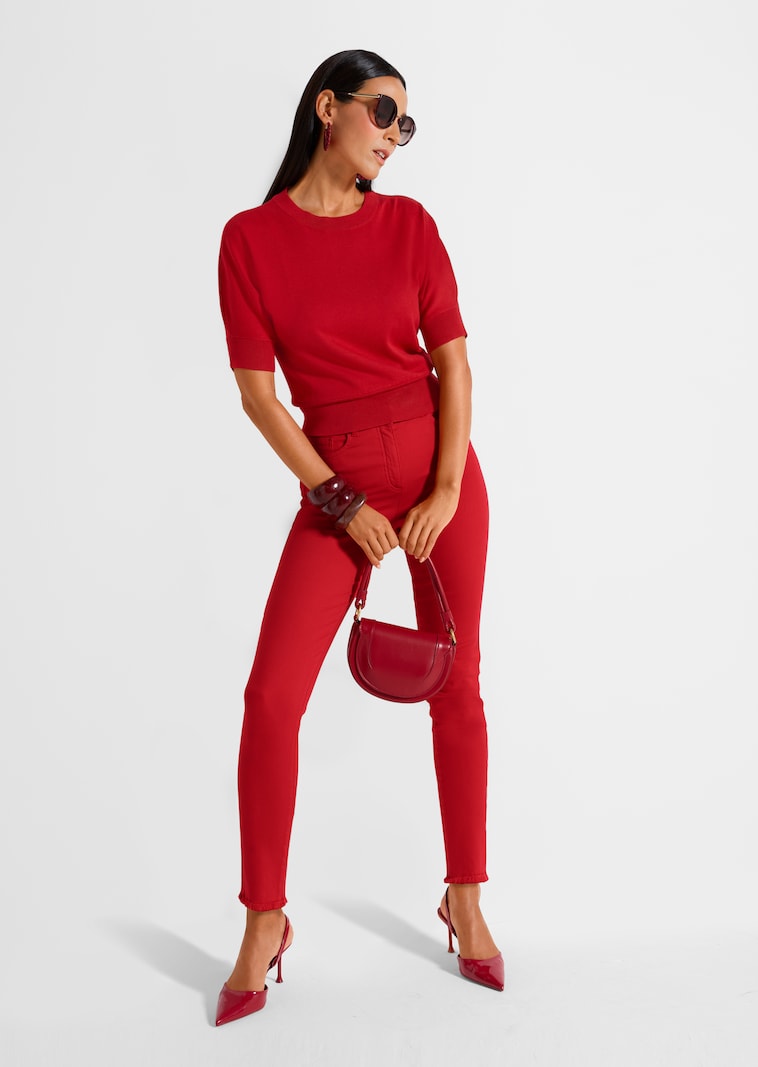
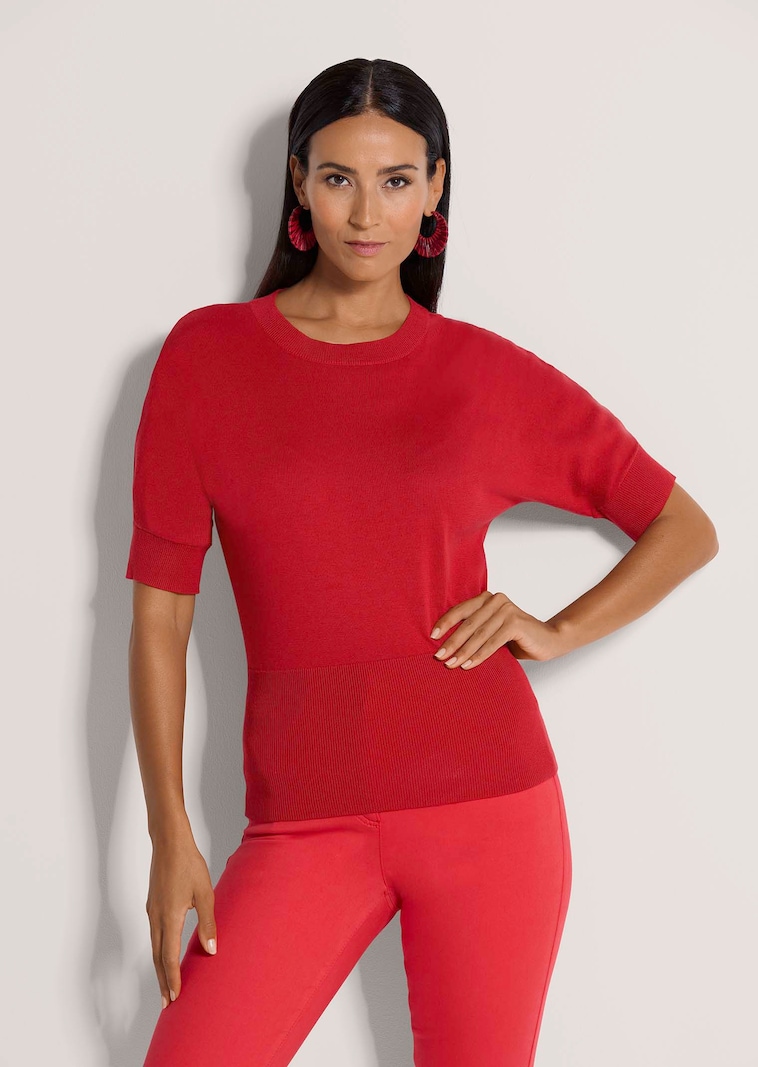
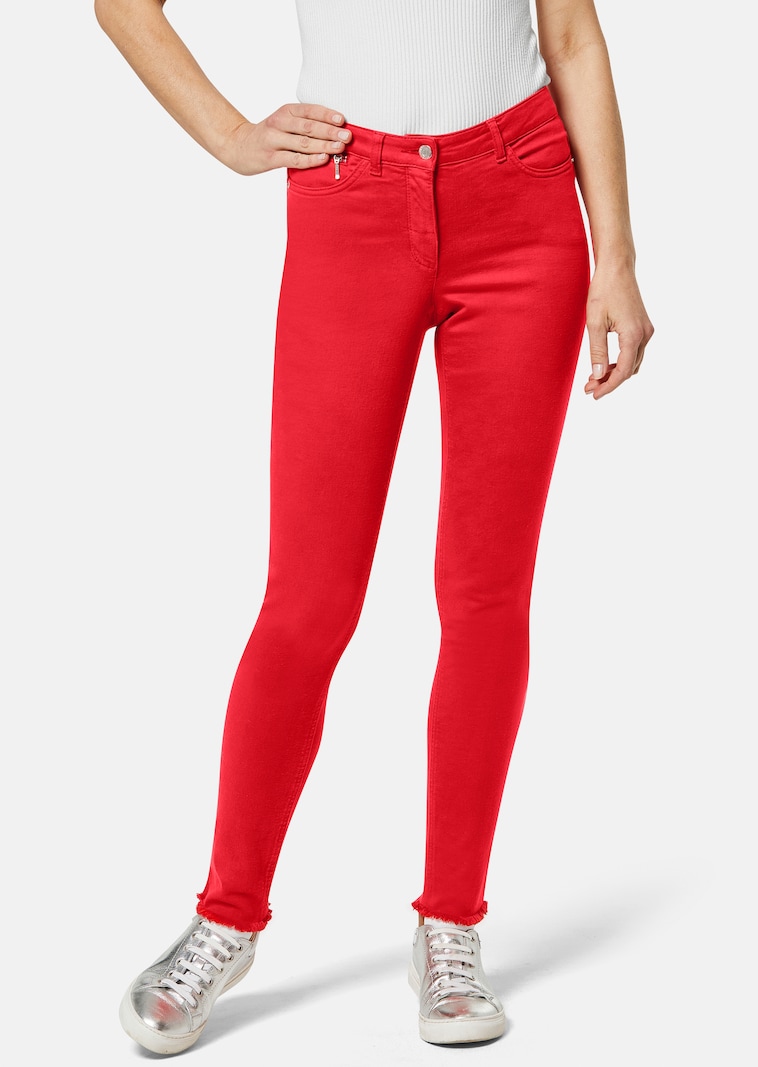
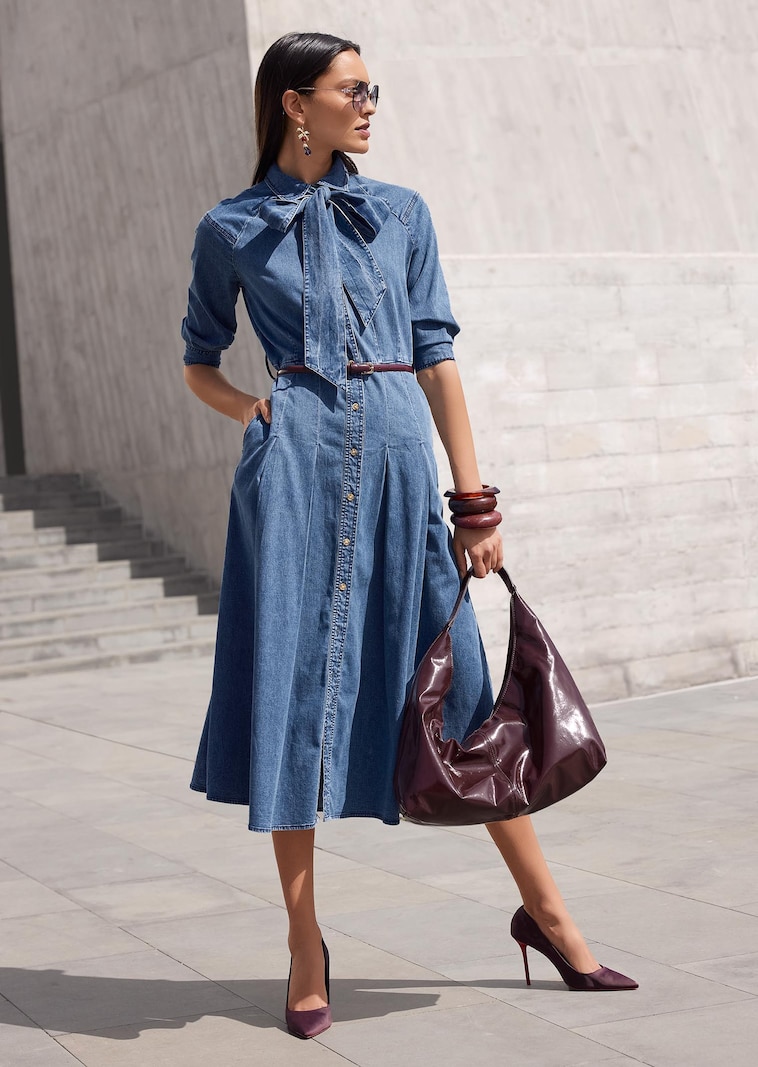
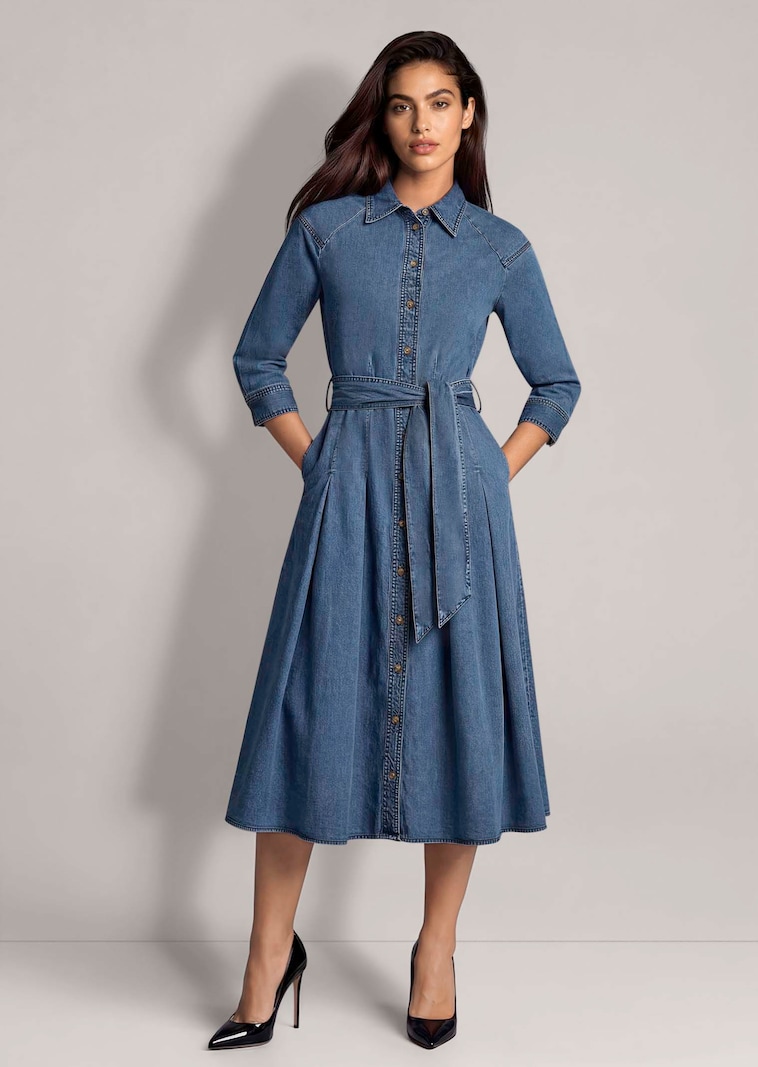
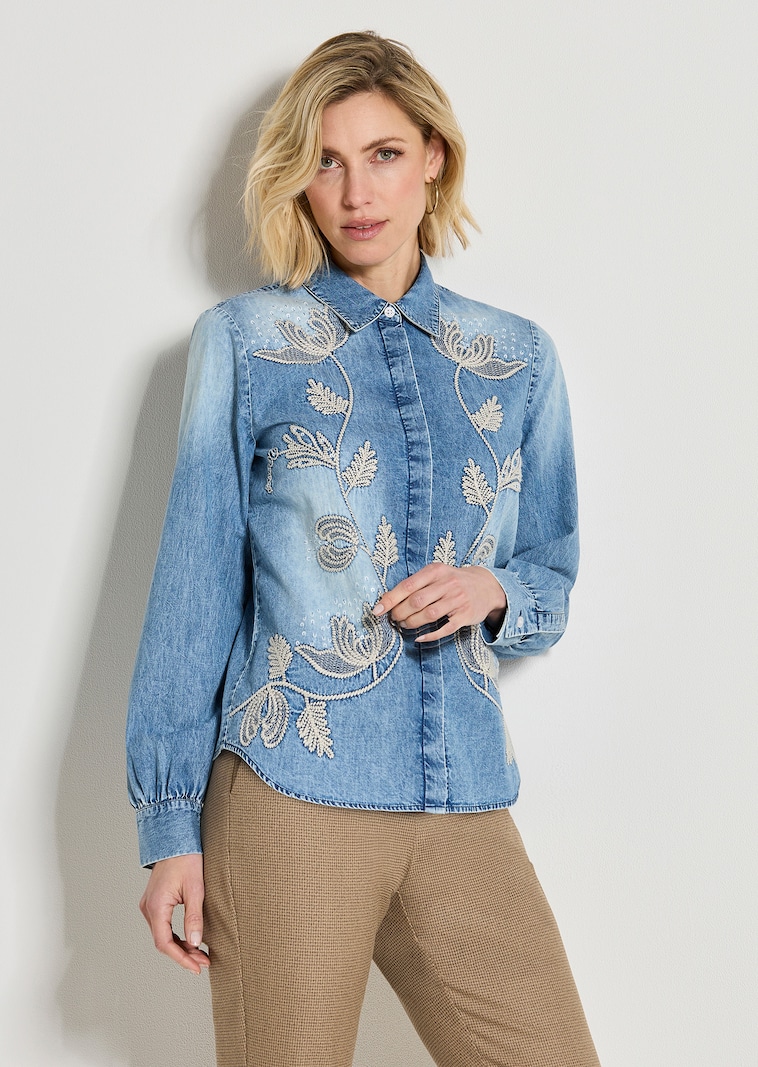
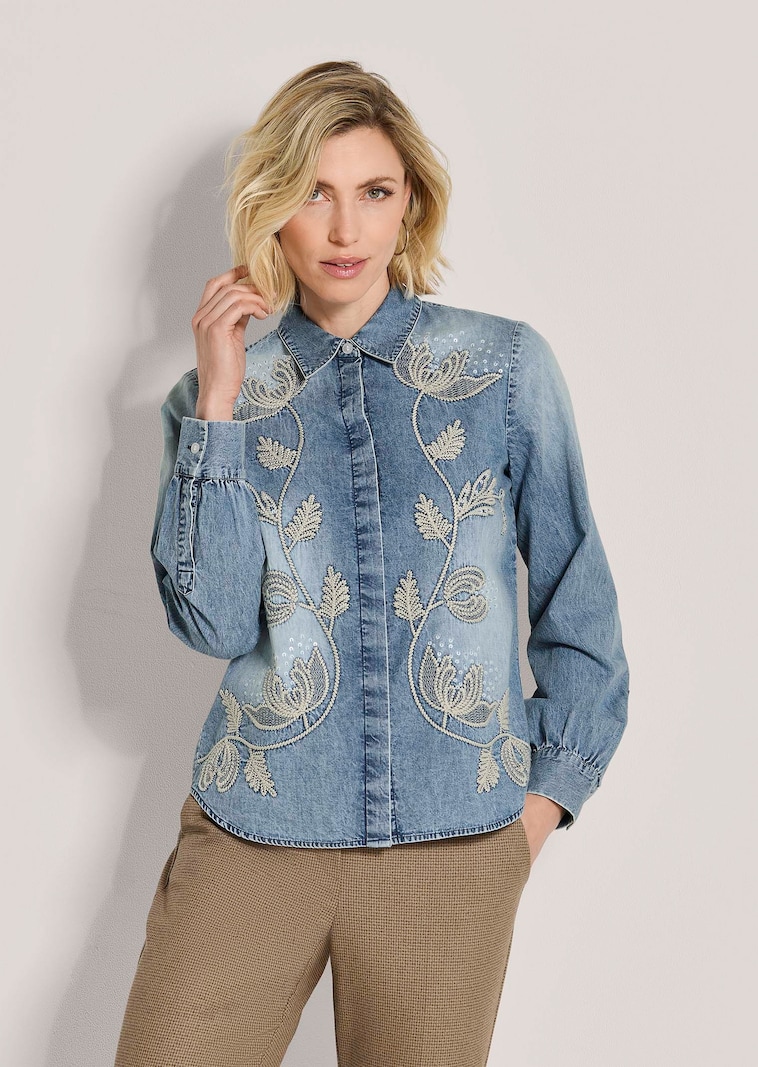
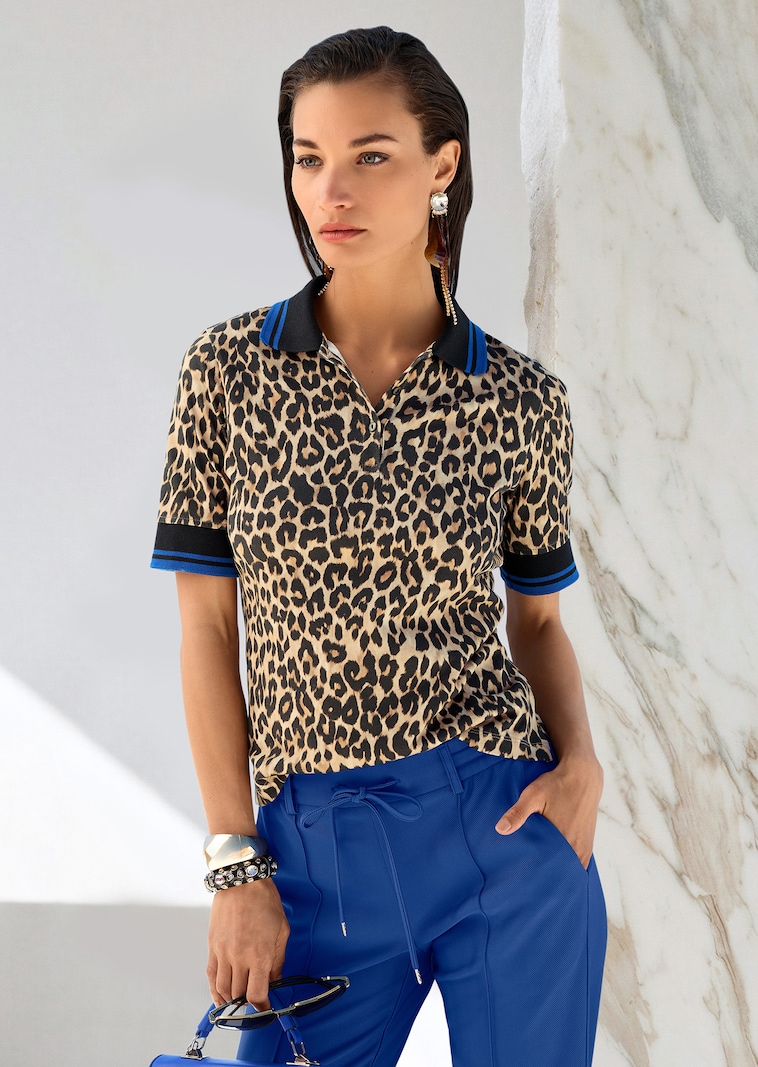
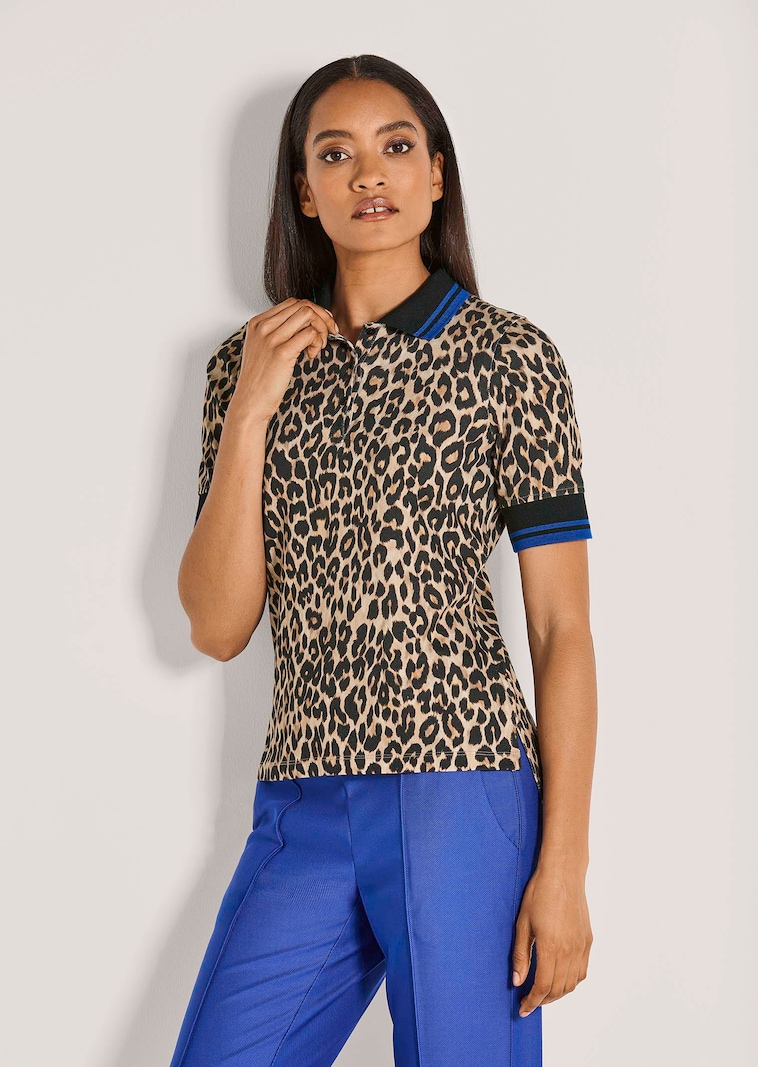
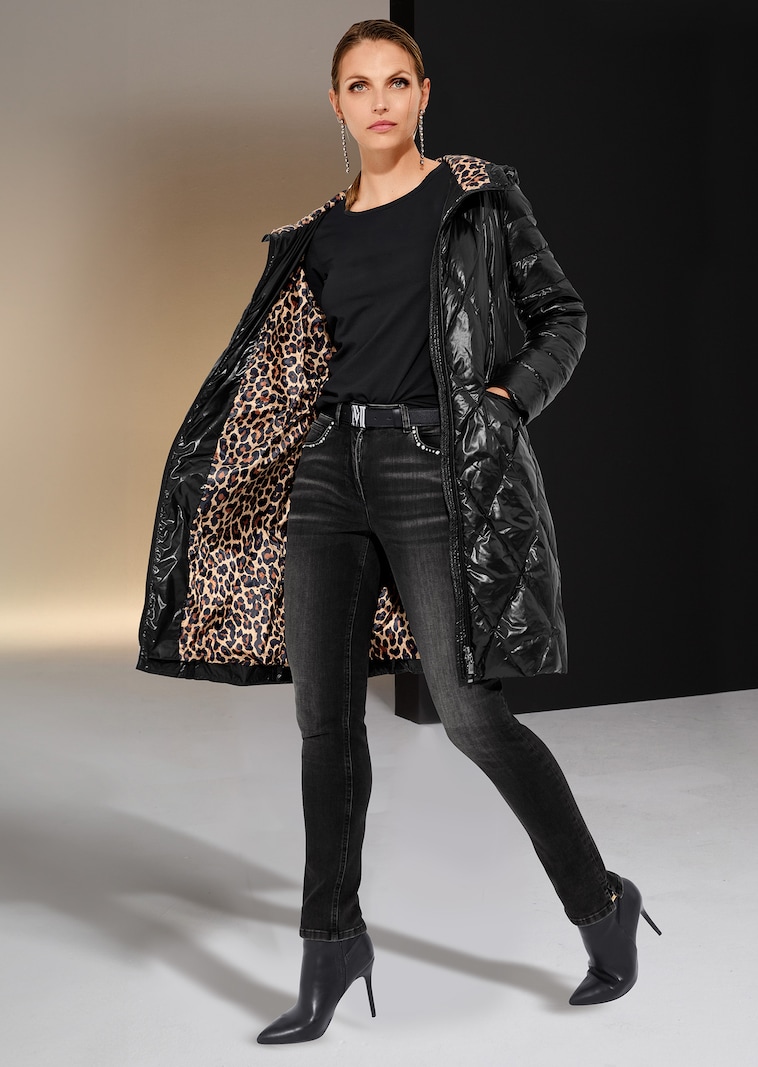
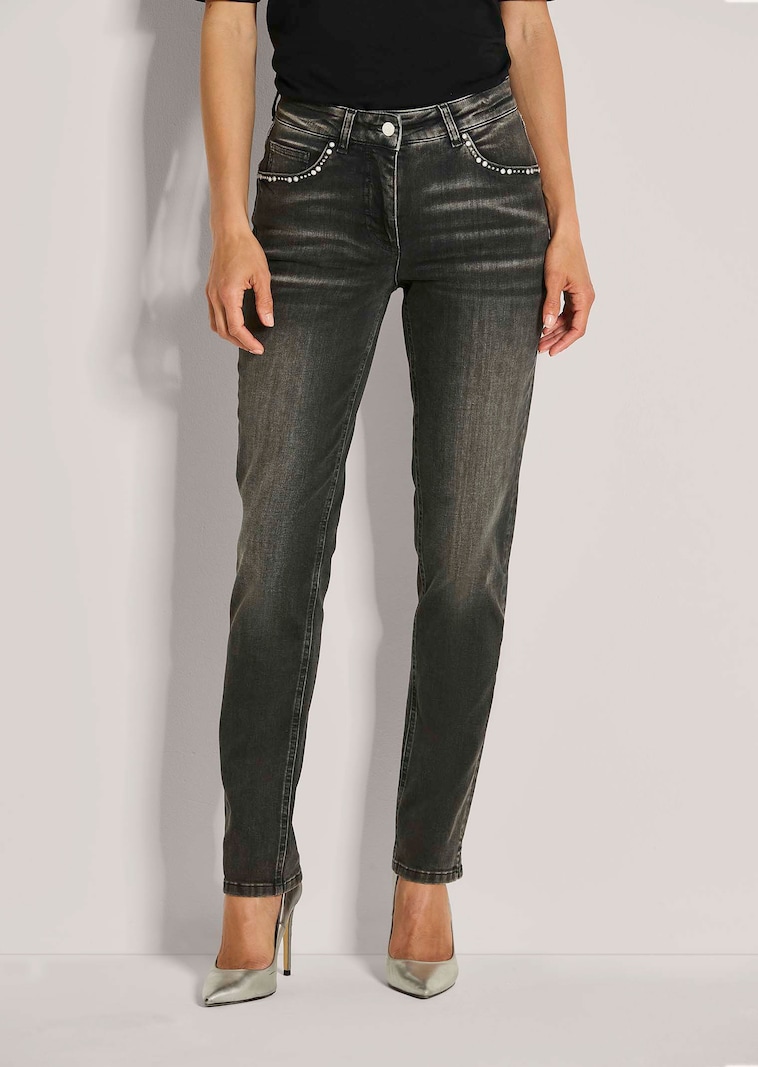
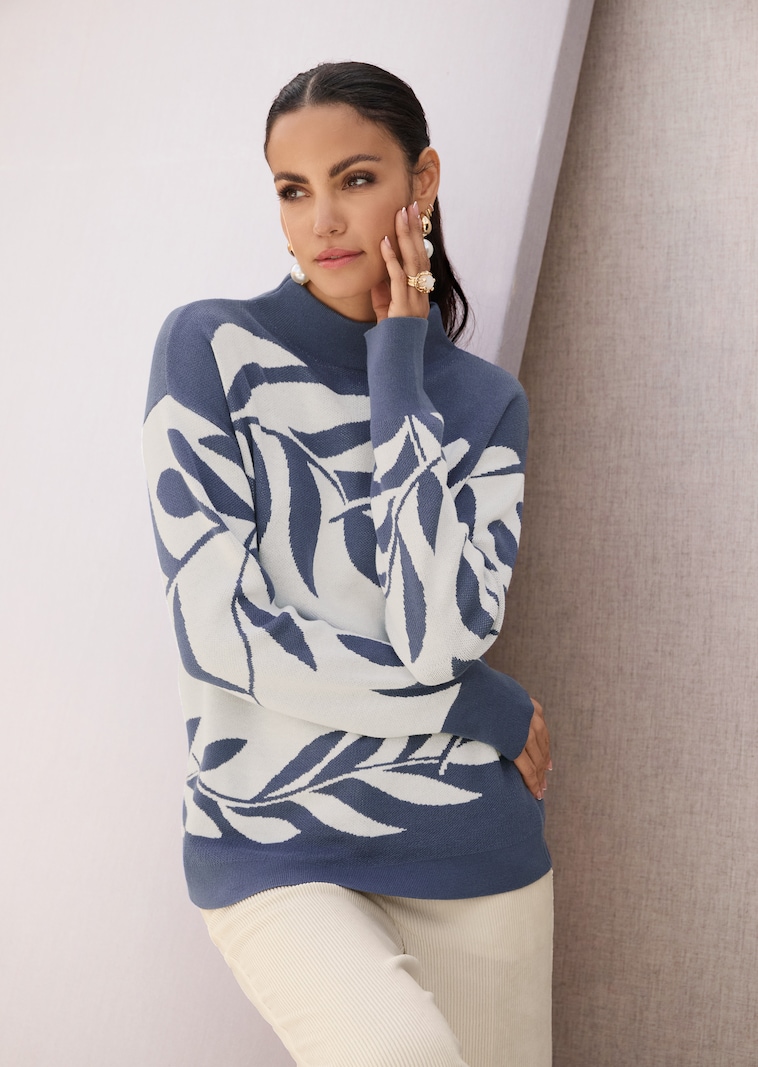
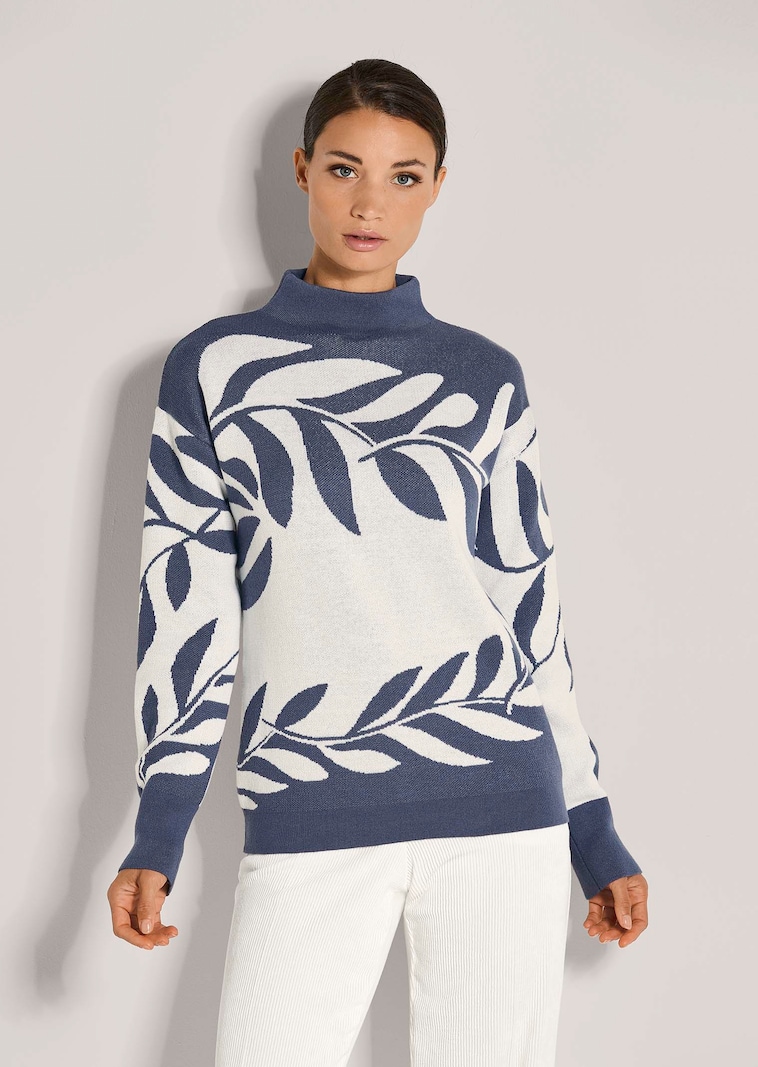
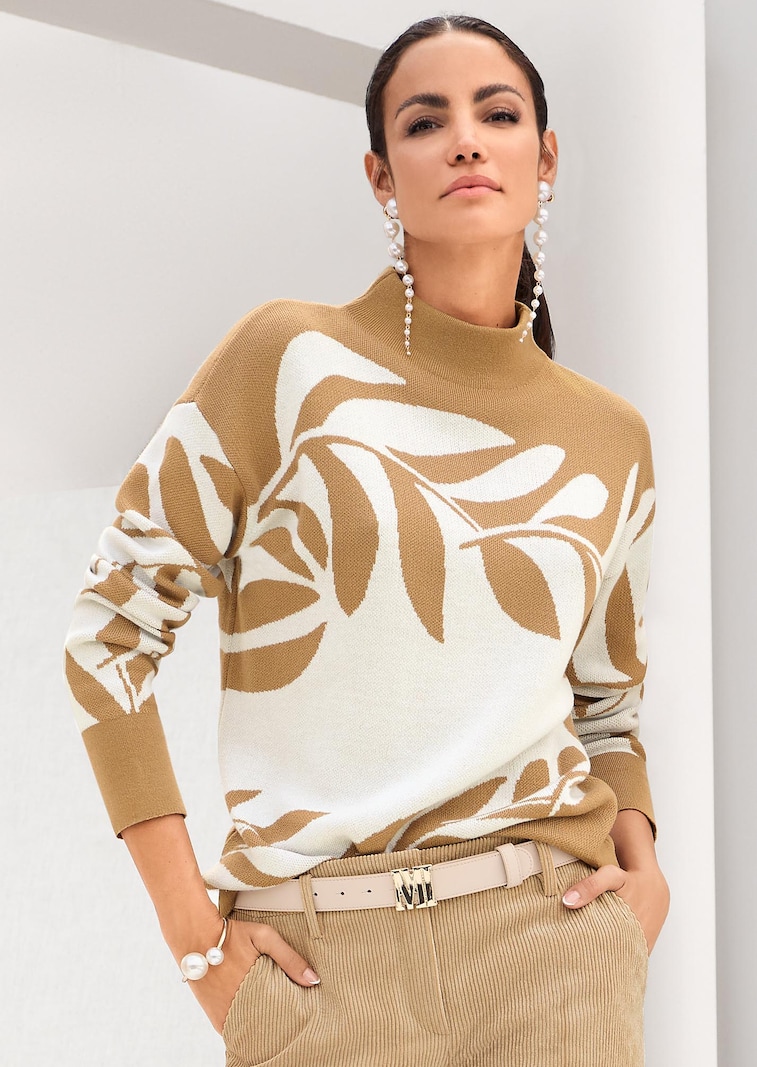
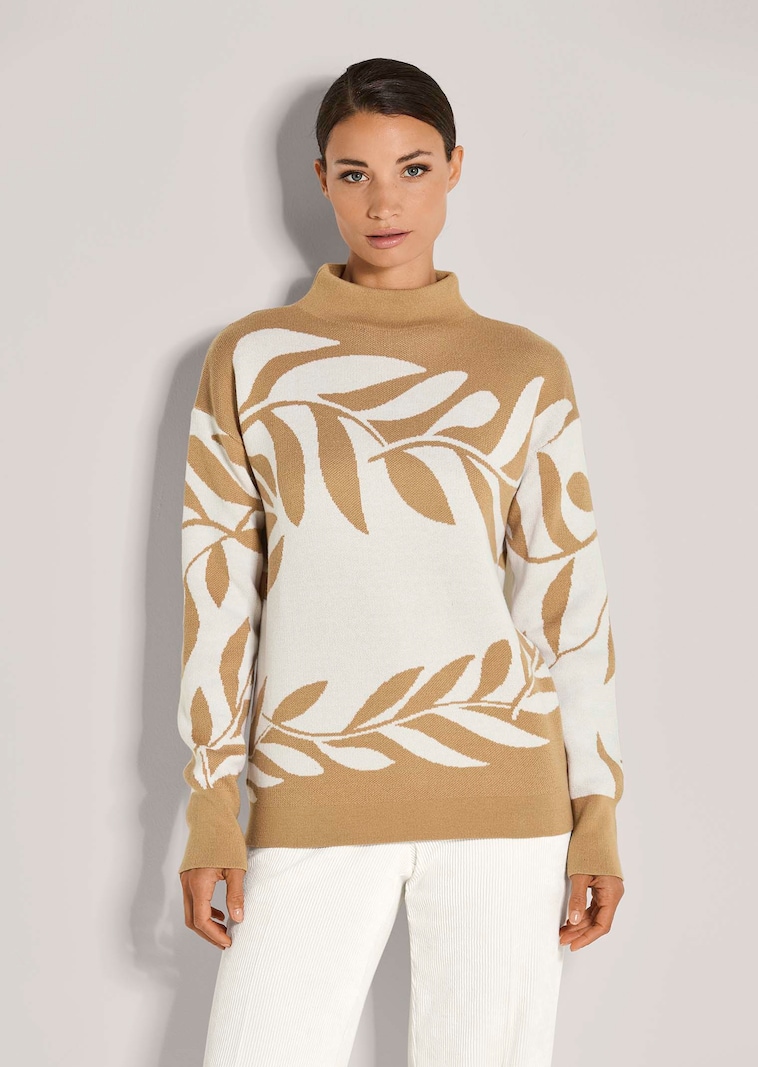
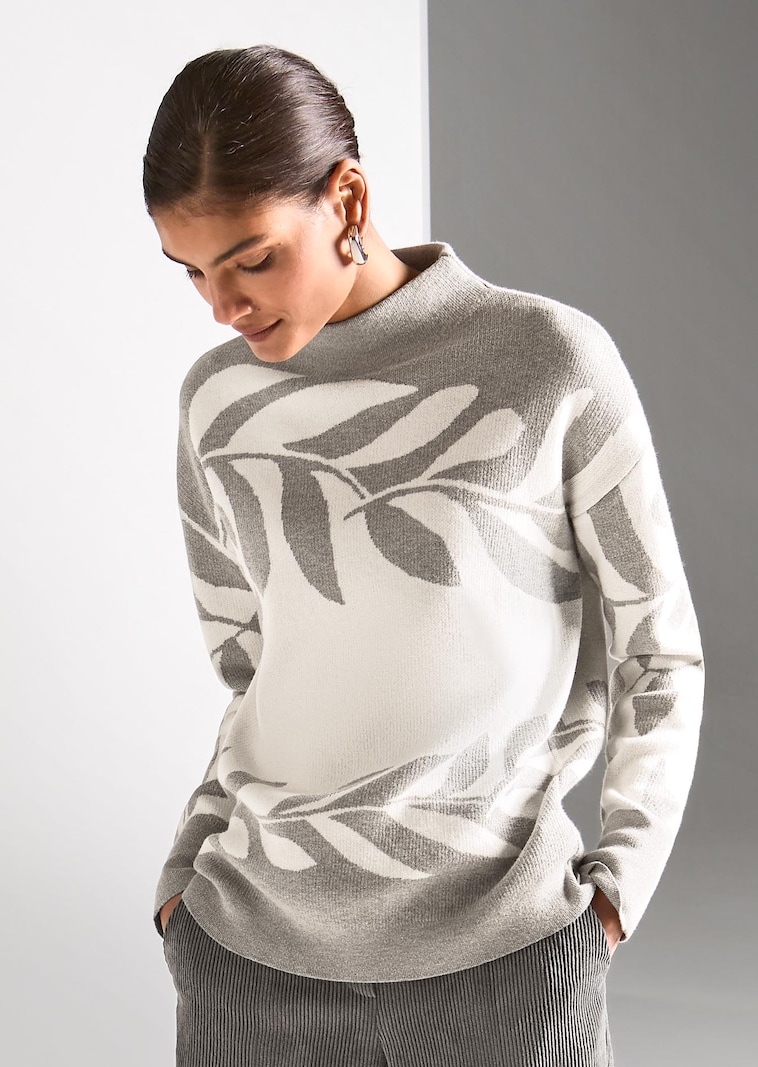
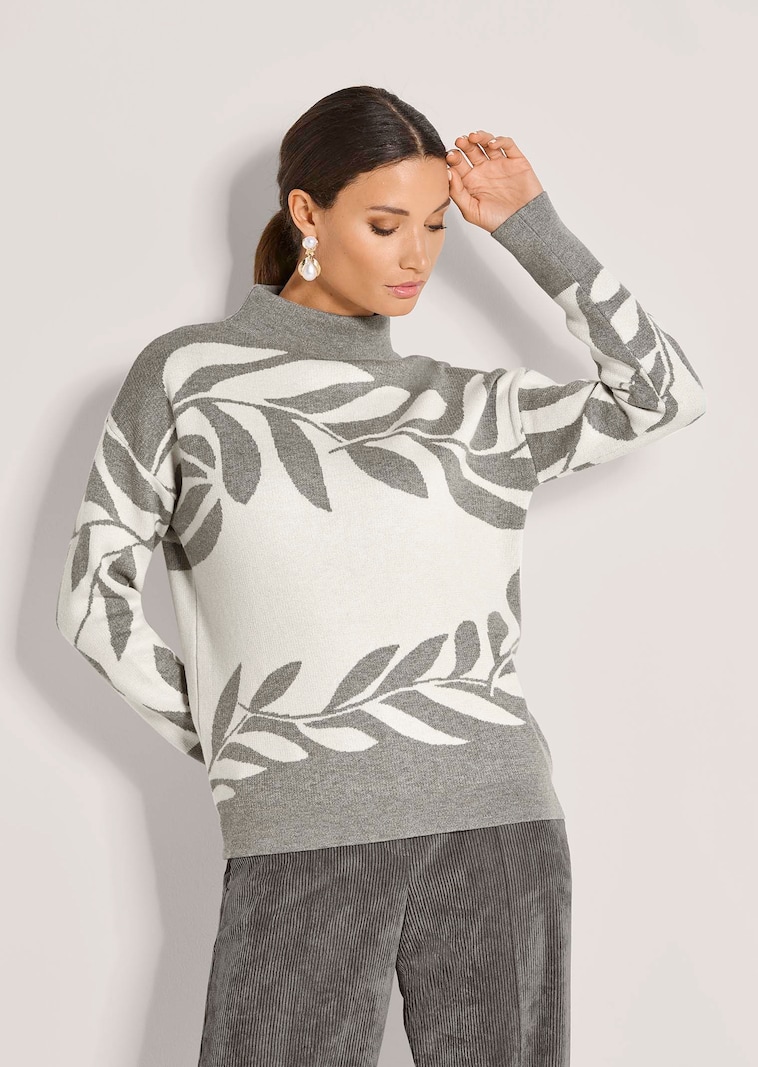
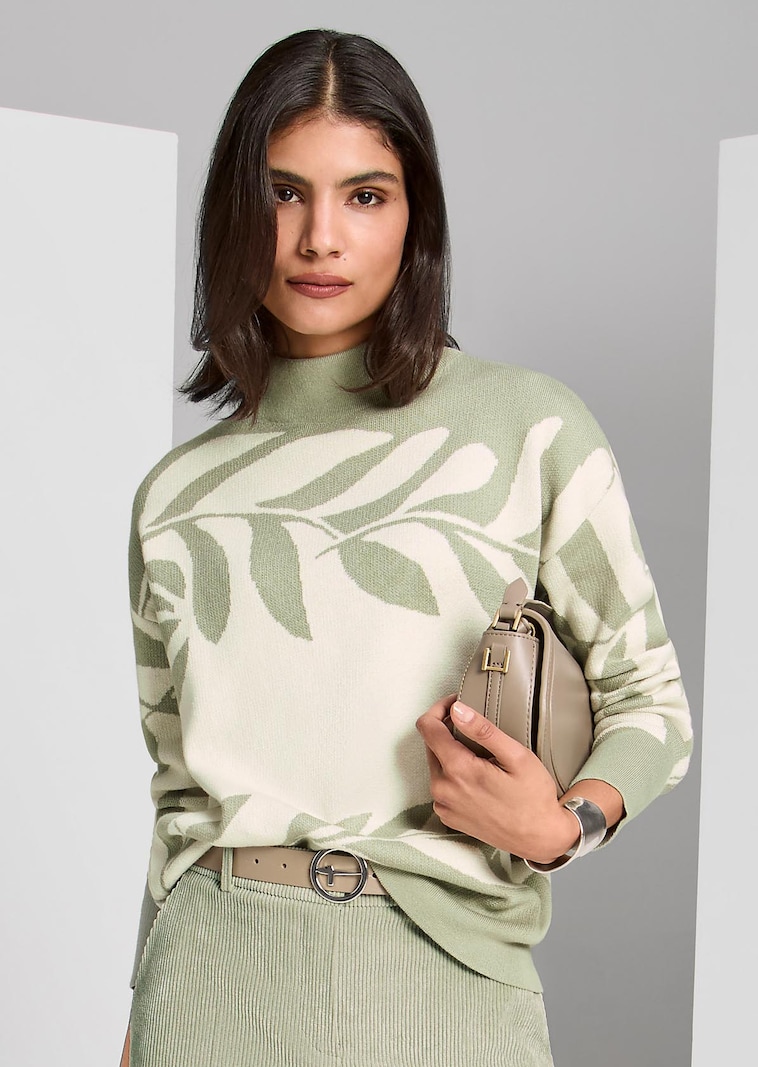
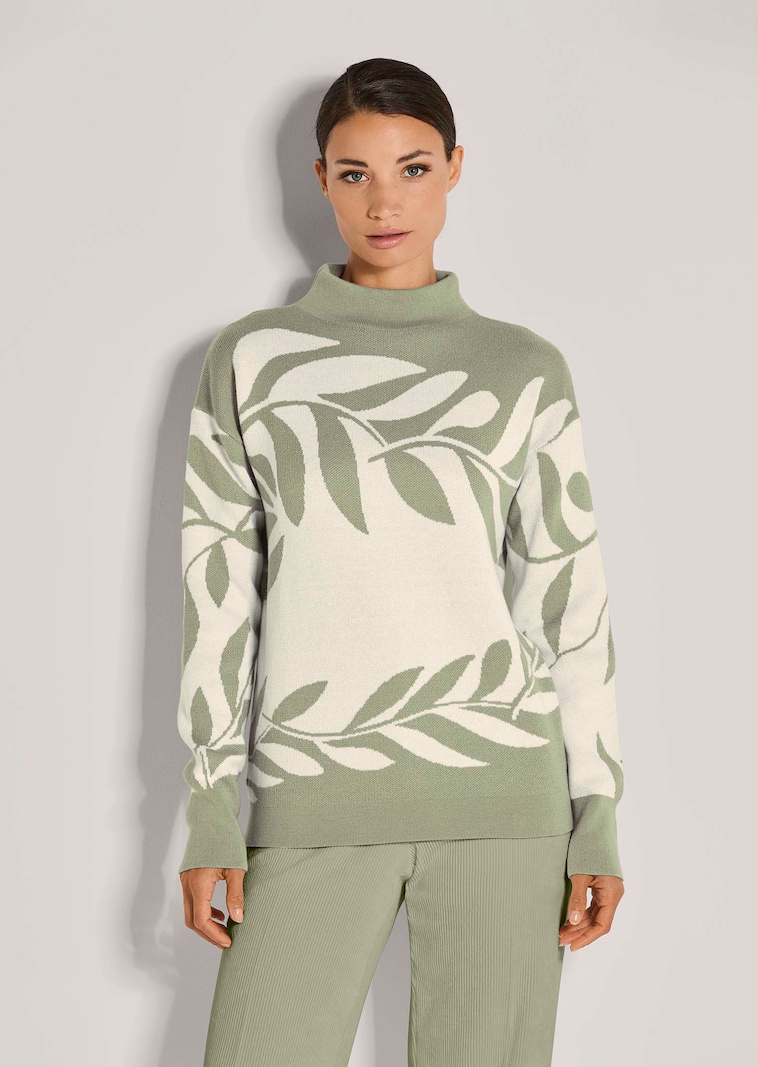
The natural fibre as the perfect all-rounder
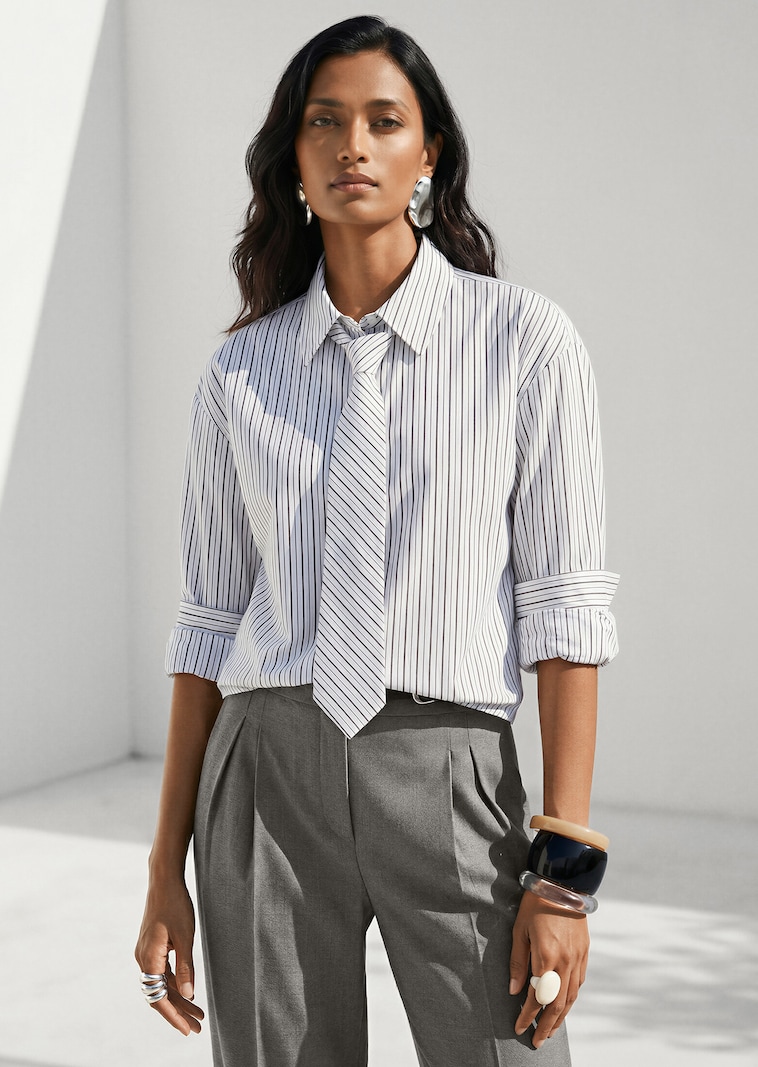
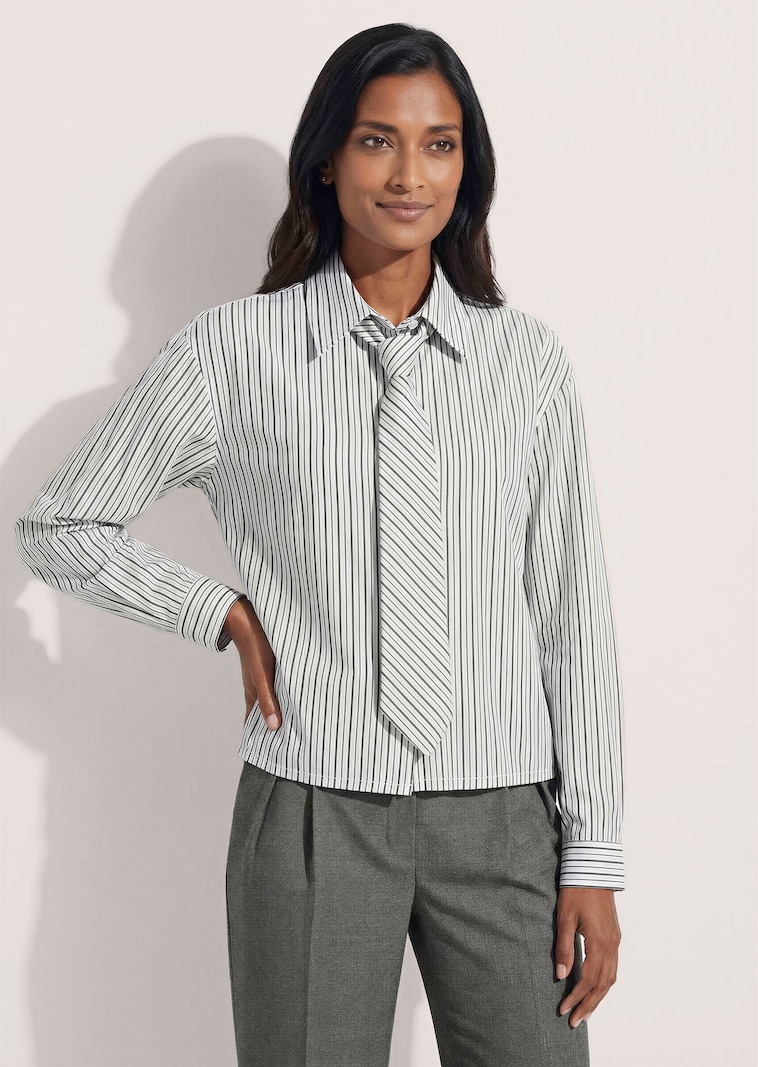
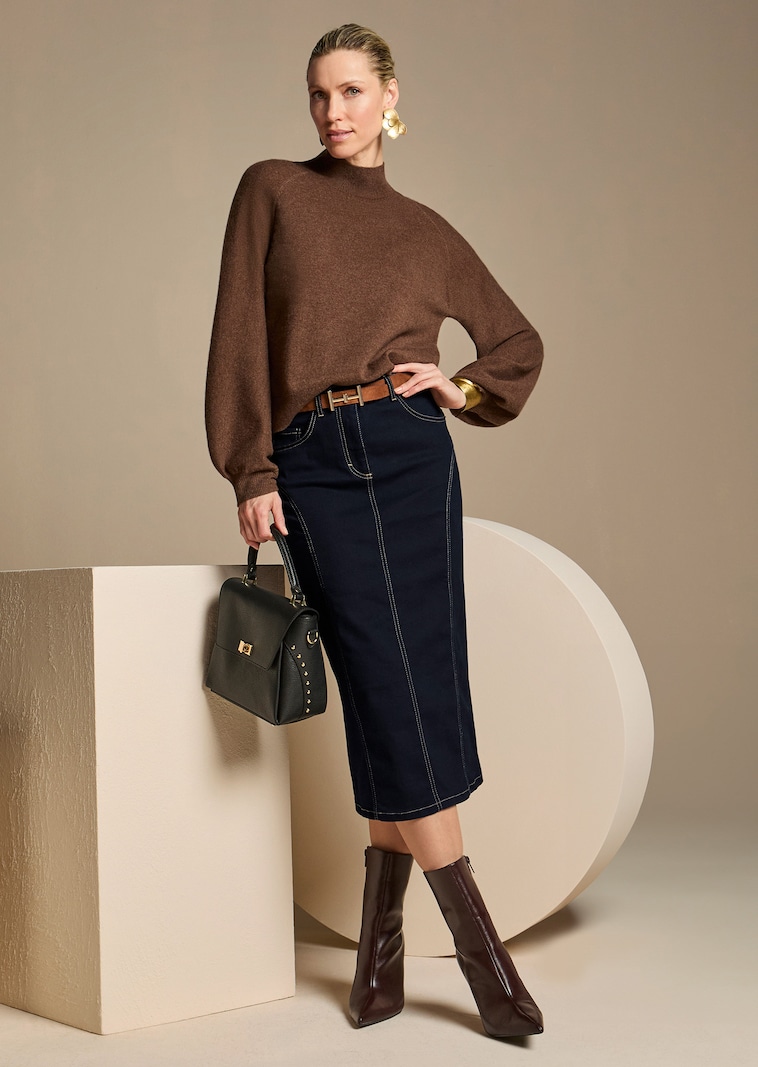
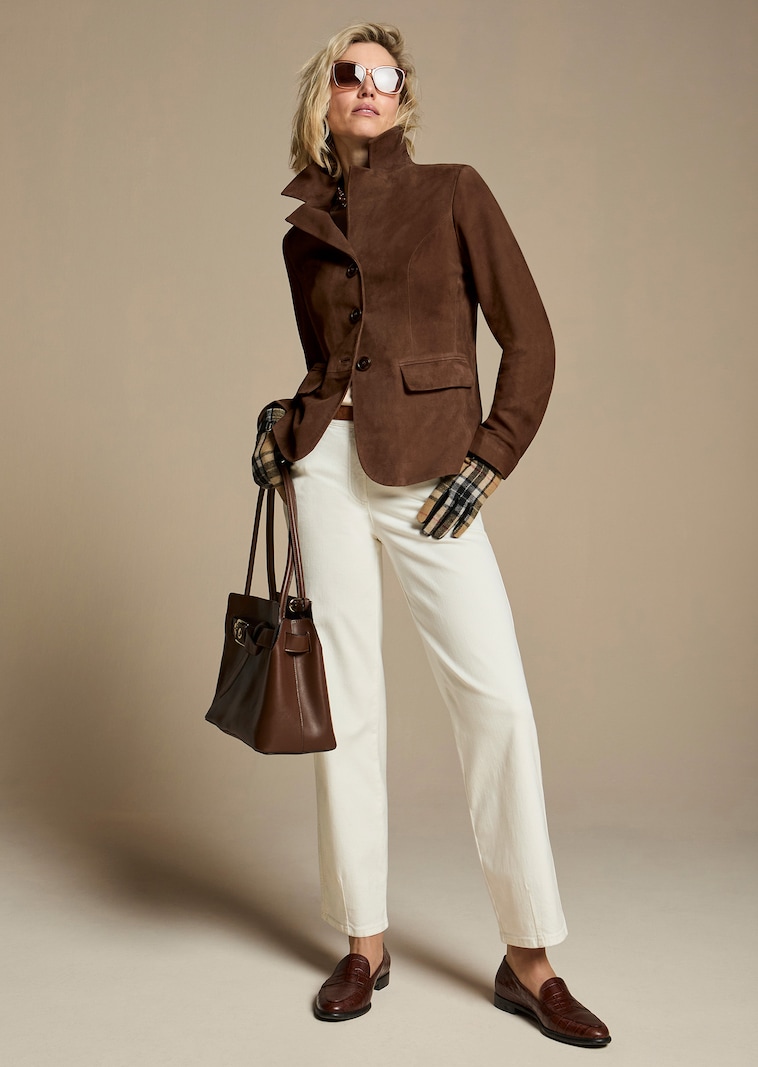
Hardly any other material accompanies us so effortlessly through everyday life as cotton. It is soft, breathable and easy to care for – and needs little explanation. Whether as a light blouse in summer, textured trousers in the office or soft knitwear on cooler days, it simply does what you expect of it. And it does so reliably, day after day. What makes cotton so special? It always feels right – against the skin, in everyday life, in life itself.
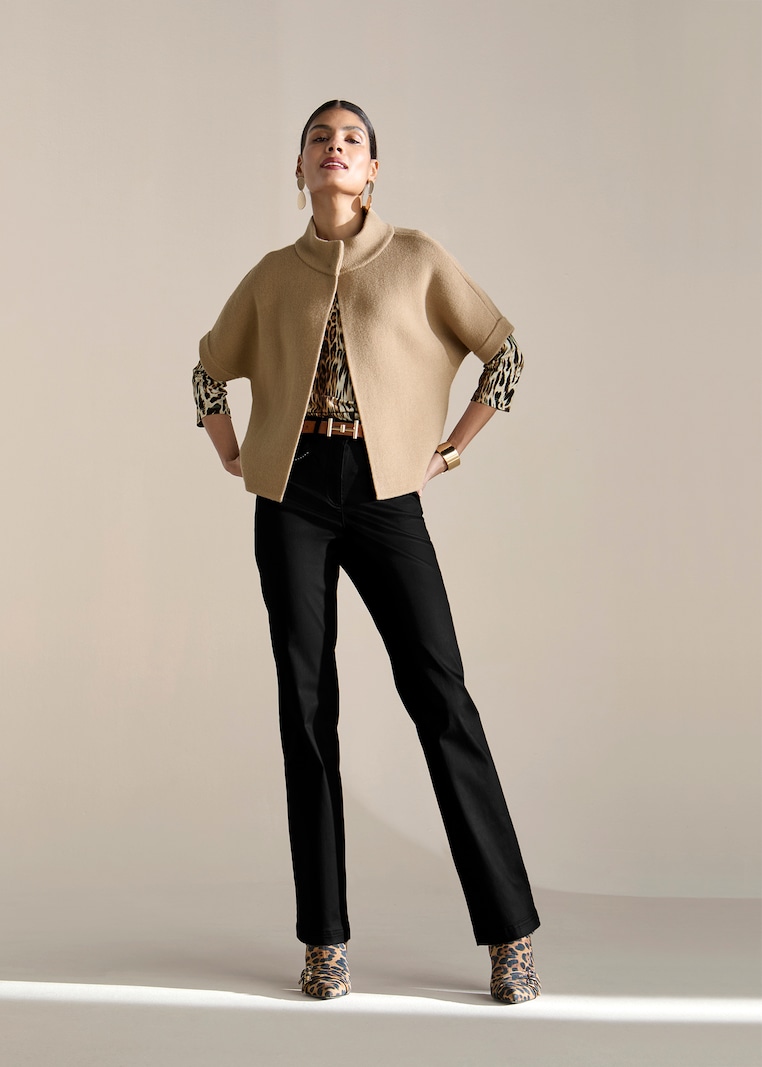
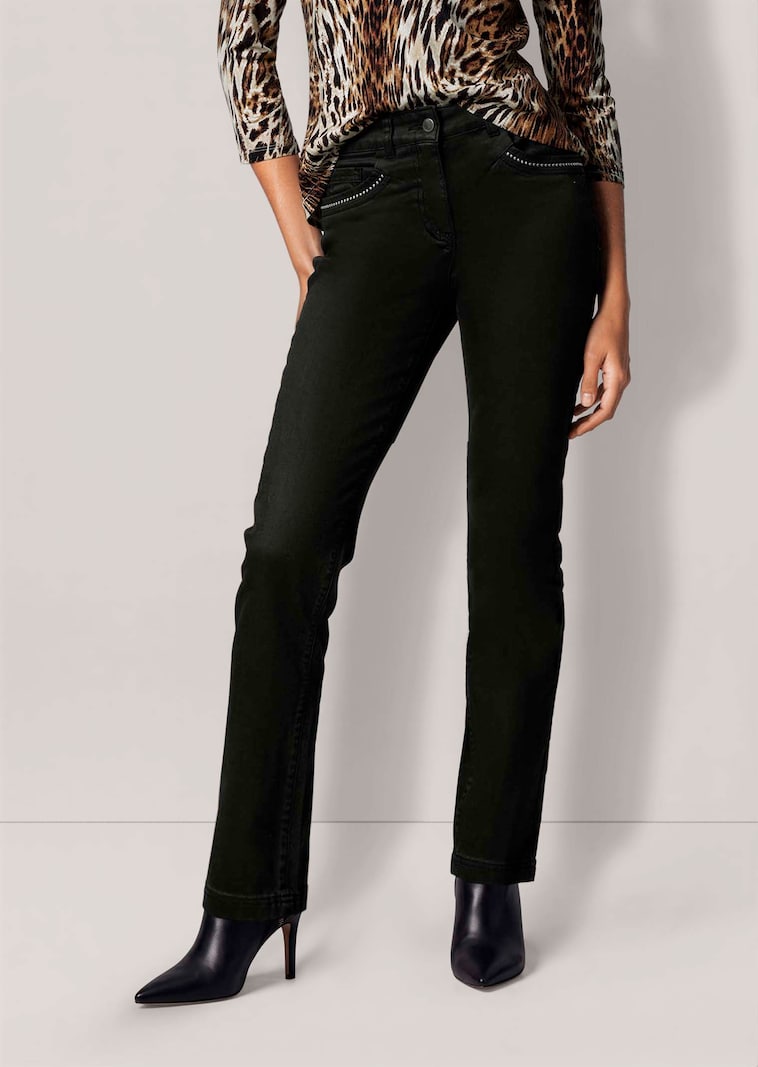
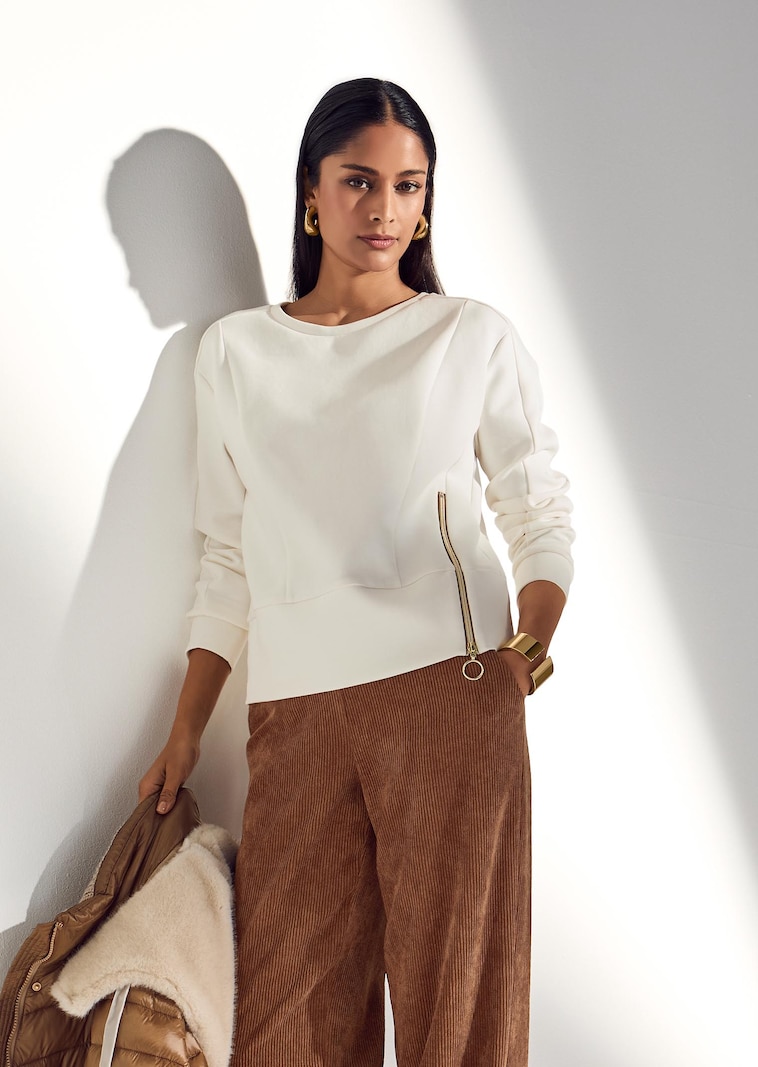
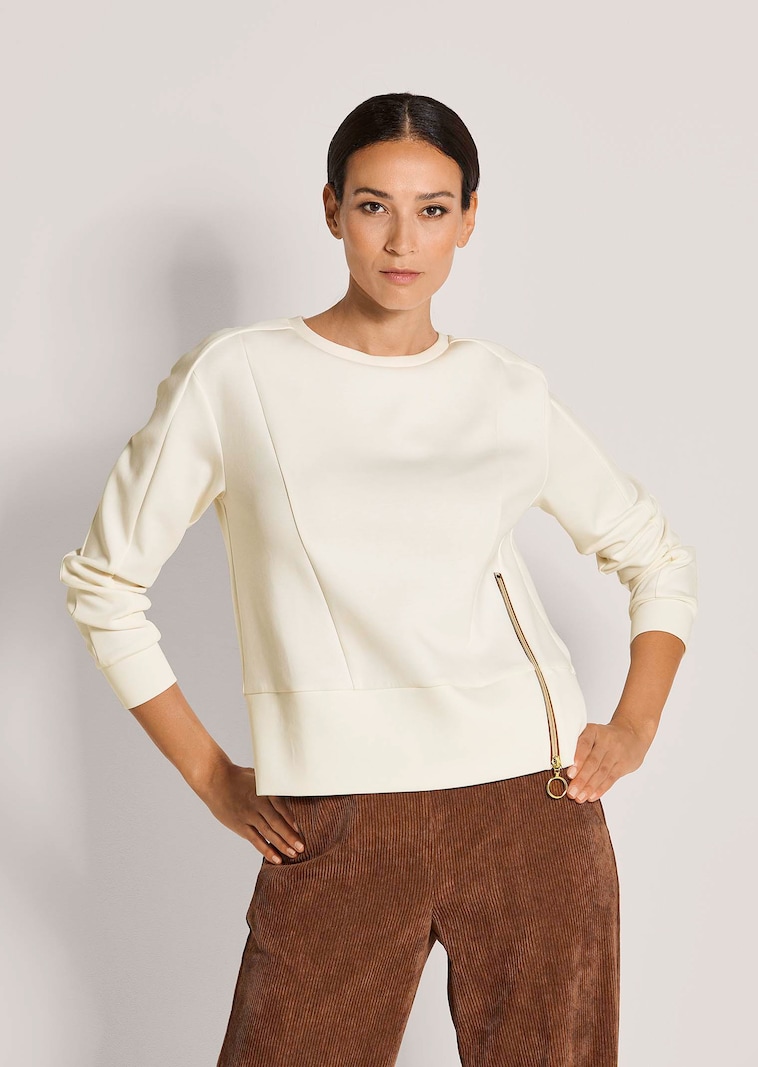
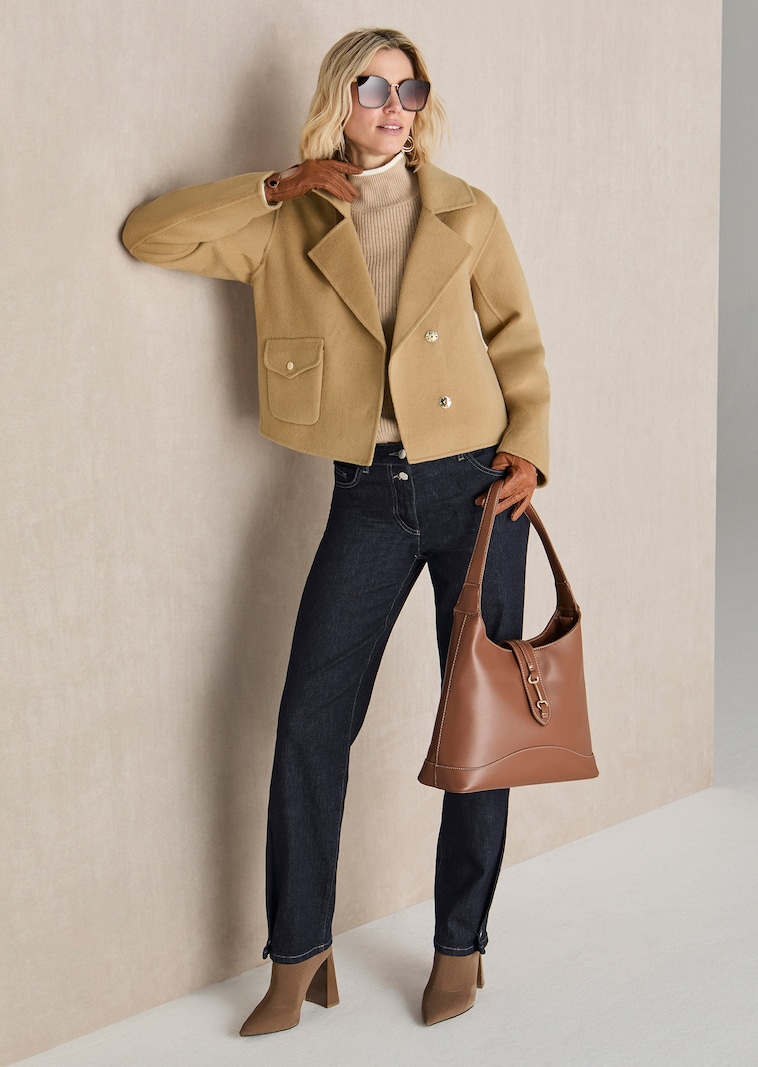
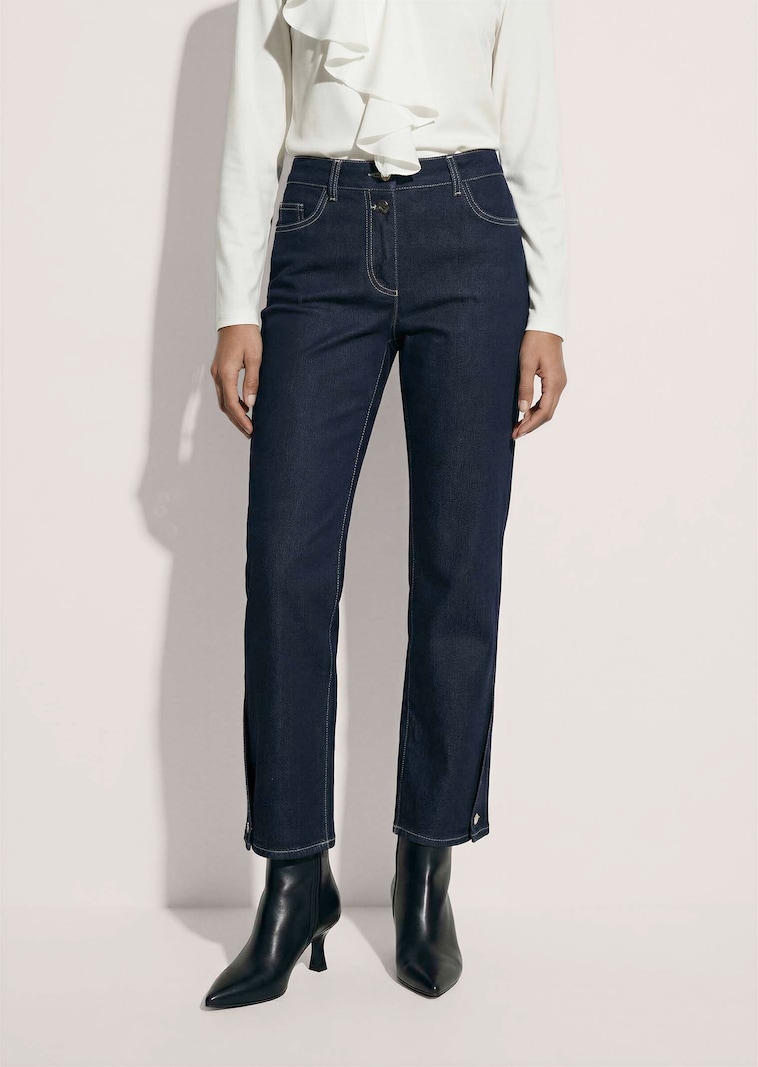
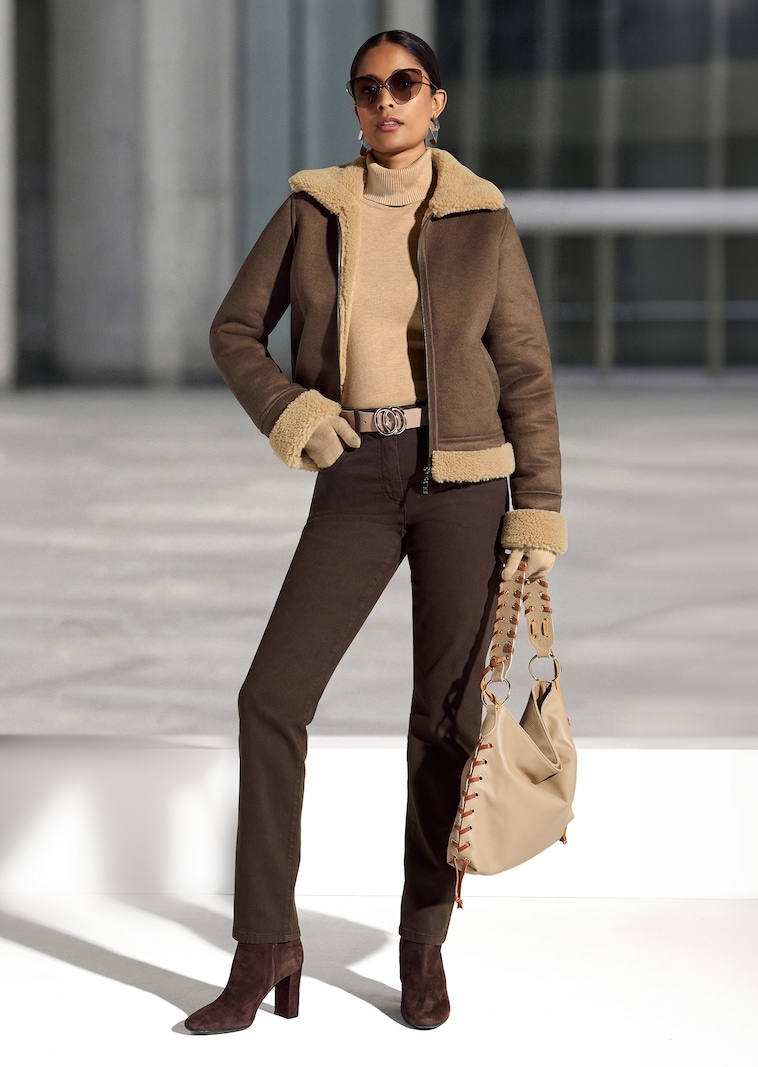
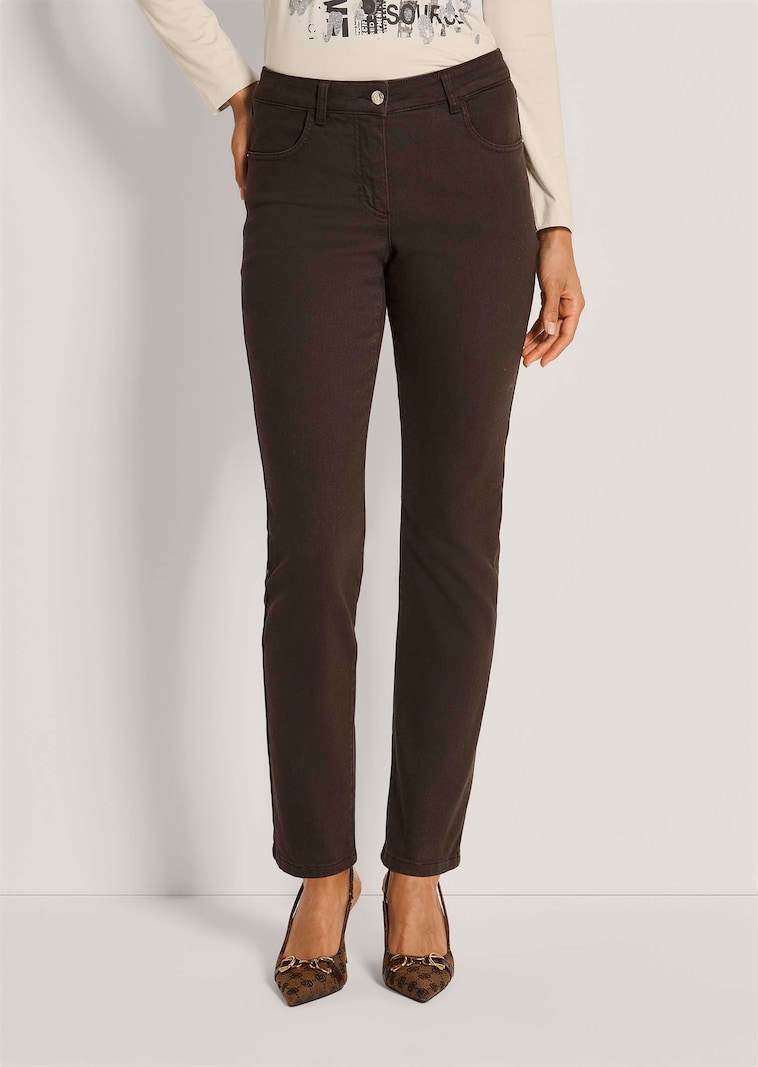
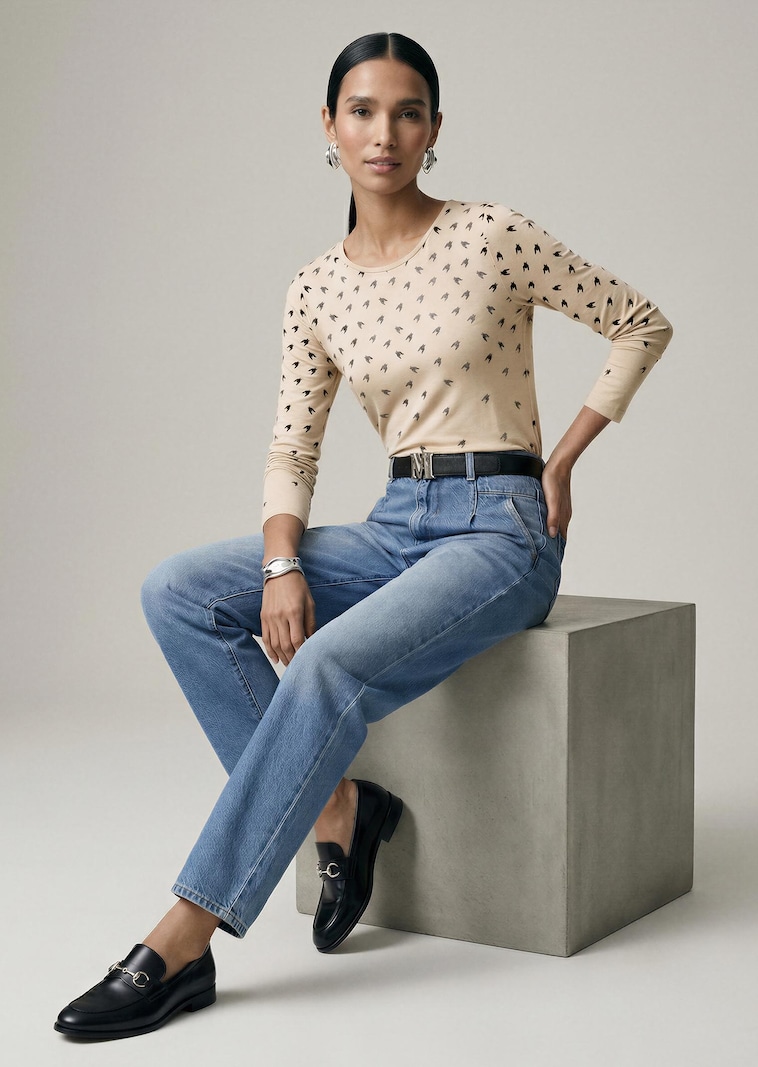
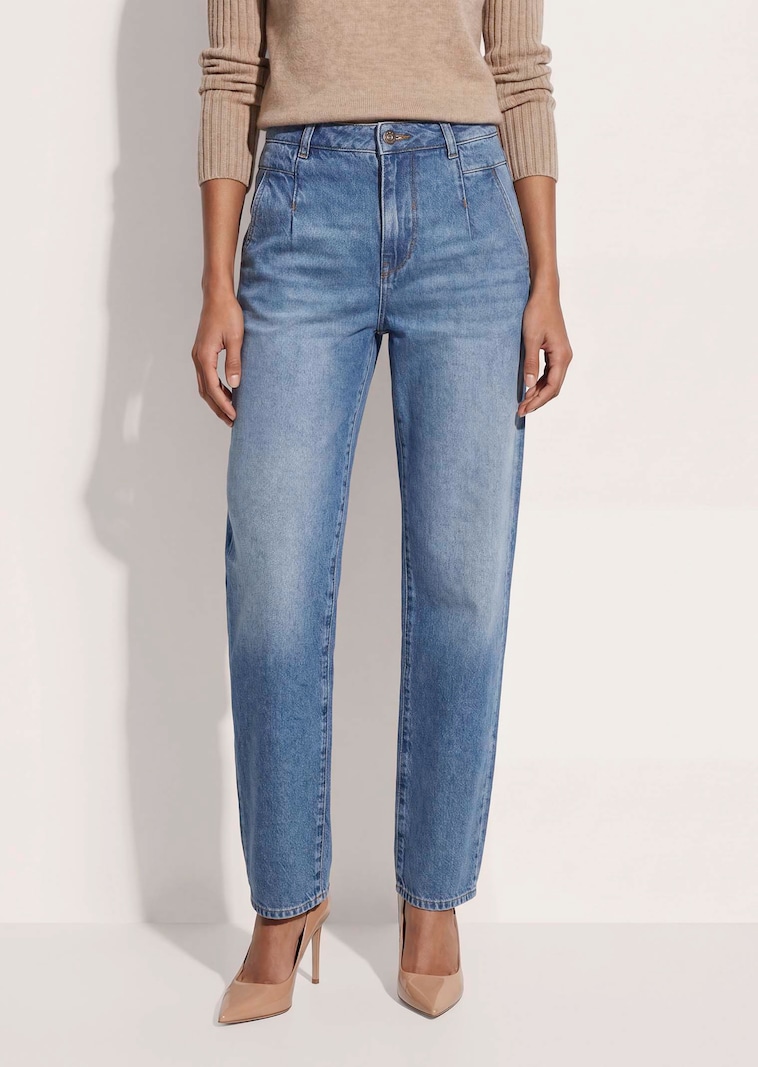
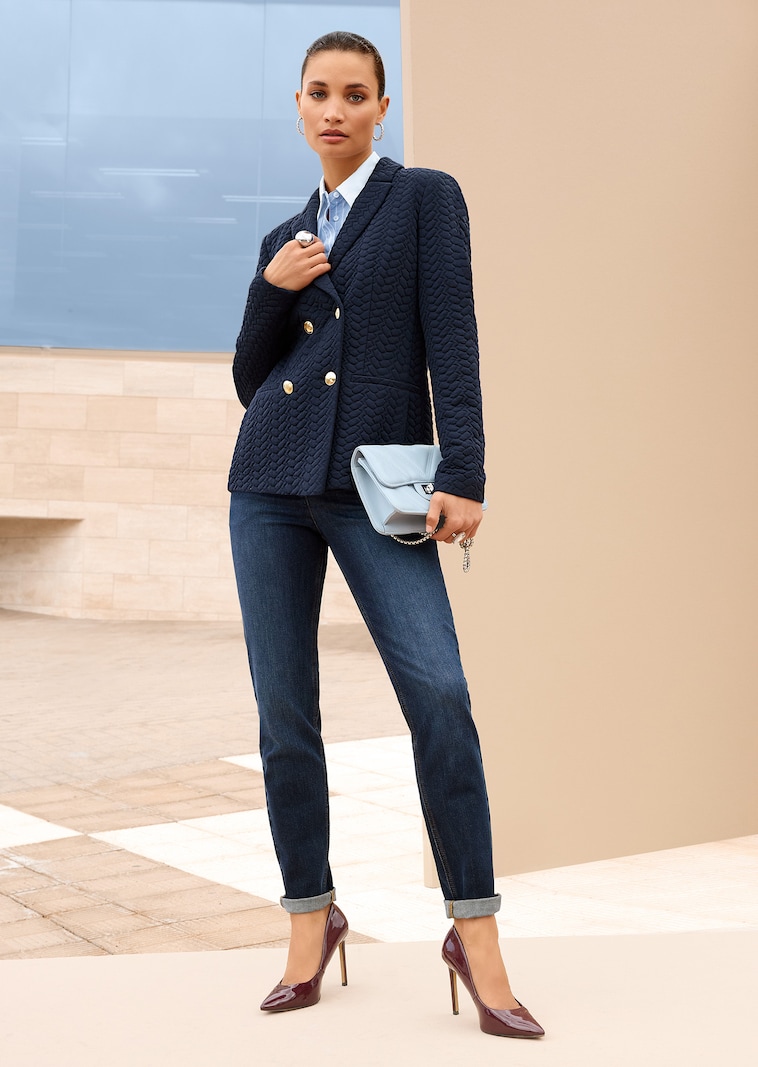
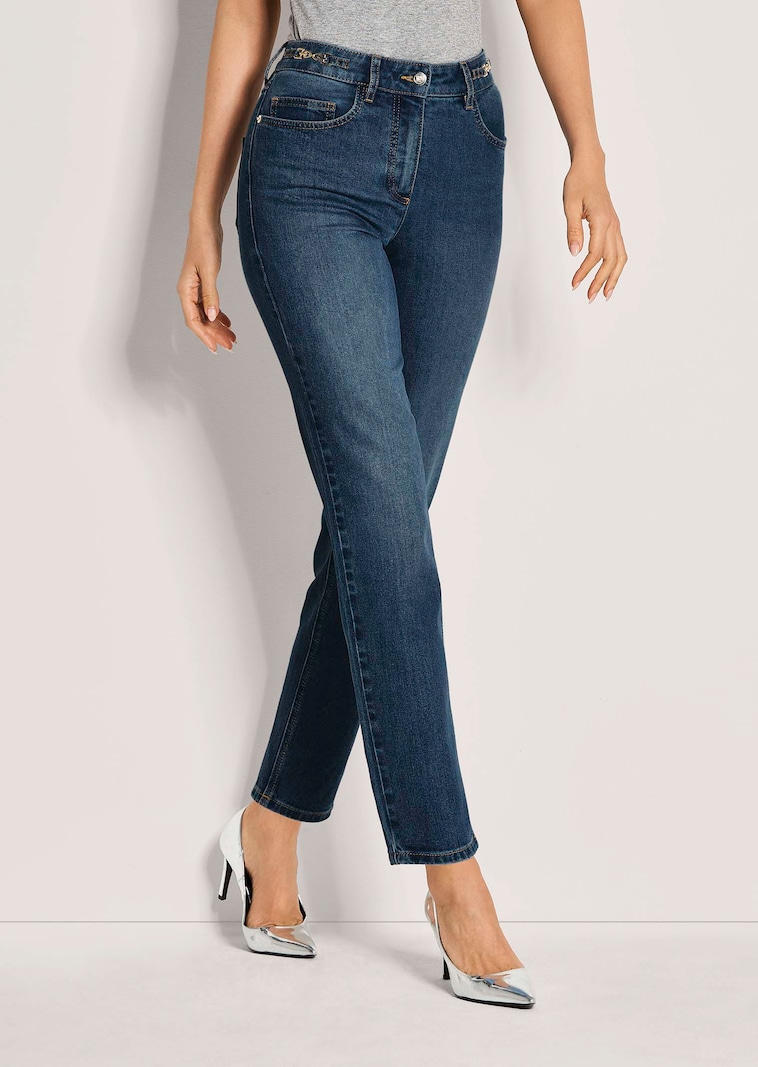
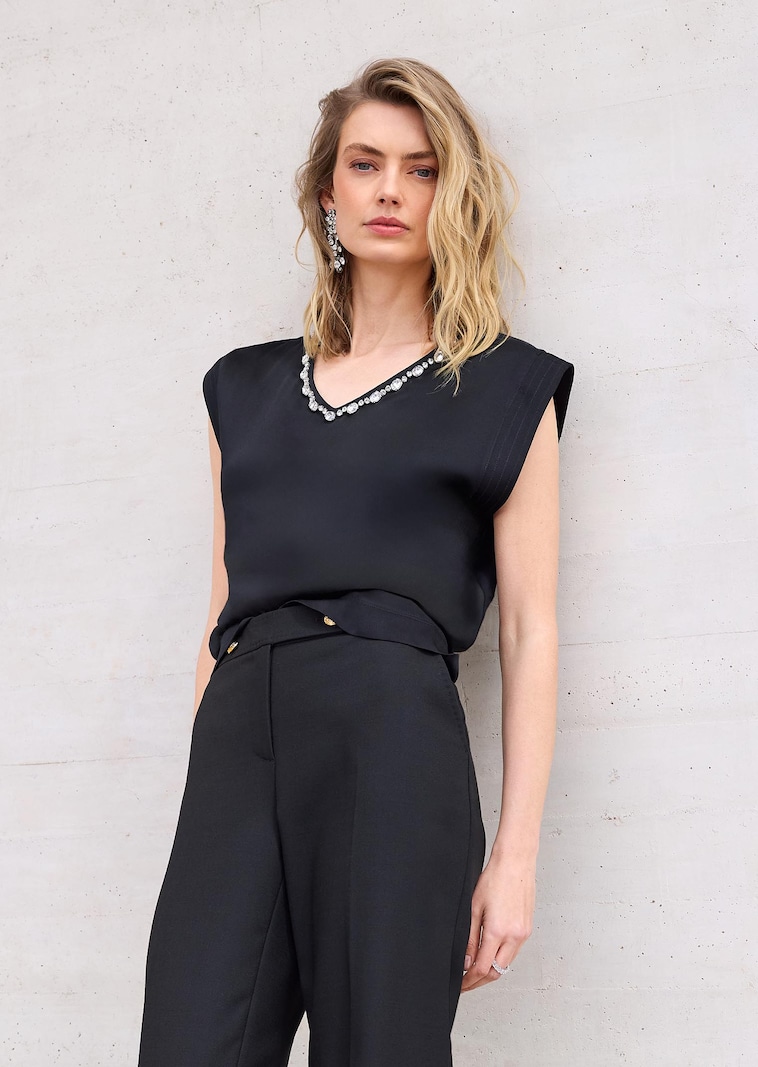
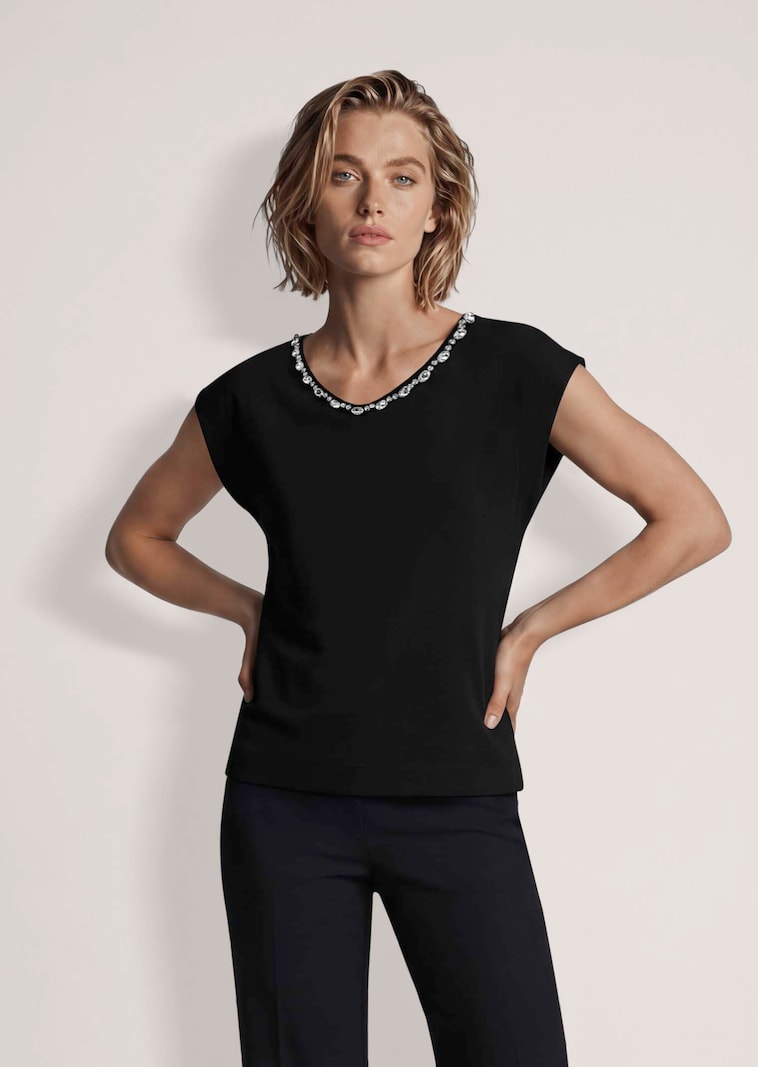
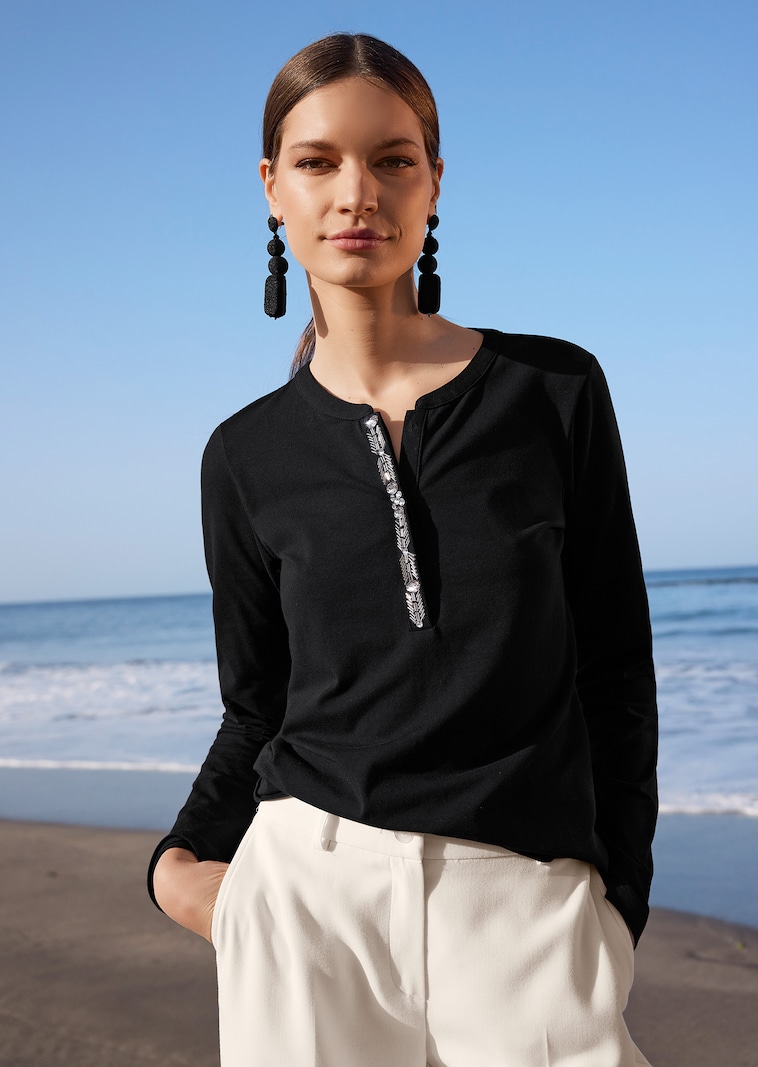
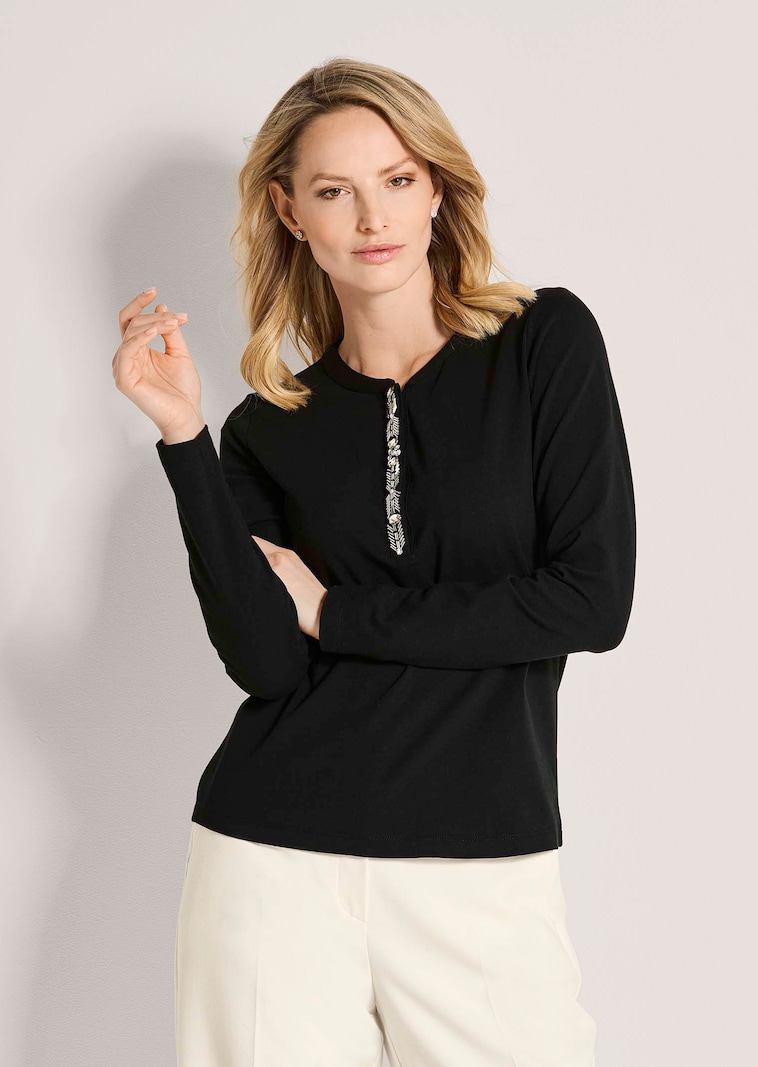
Discover the most beautiful cotton styles from the MADELEINE collection now:
Fashion in cotton: natural, versatile, indispensable
Since the earliest civilisations, the finest cotton has been regarded as an exclusive status symbol. Reserved for rulers and used to enhance precious luxury textiles, including ceremonial garments, it has lost none of its fascination over time. As a high-quality natural fibre, cotton remains an essential part of the modern wardrobe.
What makes cotton fashion so special?
Cotton is a natural fibre derived from plants. Its fibres consist almost entirely of cellulose, making cotton particularly skin-friendly. Yet cotton offers even more advantages:
• Cotton is breathable: cotton allows air to circulate and helps regulate moisture. This prevents heat from building up under the fabric.
• Cotton has a cooling effect: because cotton absorbs moisture well (up to around 32% of its own weight) without feeling damp, and releases it slowly through evaporation, it creates a pleasantly cooling sensation on the skin during summer.
• Cotton is skin-friendly and hypoallergenic: as a plant fibre with a smooth texture, cotton feels gentle against the skin, remains breathable and does not become electrostatically charged – ideal for sensitive skin and allergy sufferers.
Pure natural fibre or clever fabric blend – what is behind your cotton fashion?
100% cotton stands for natural comfort and a soft feel against the skin. Yet sometimes a carefully chosen blend makes all the difference – depending on what a garment is designed to do.
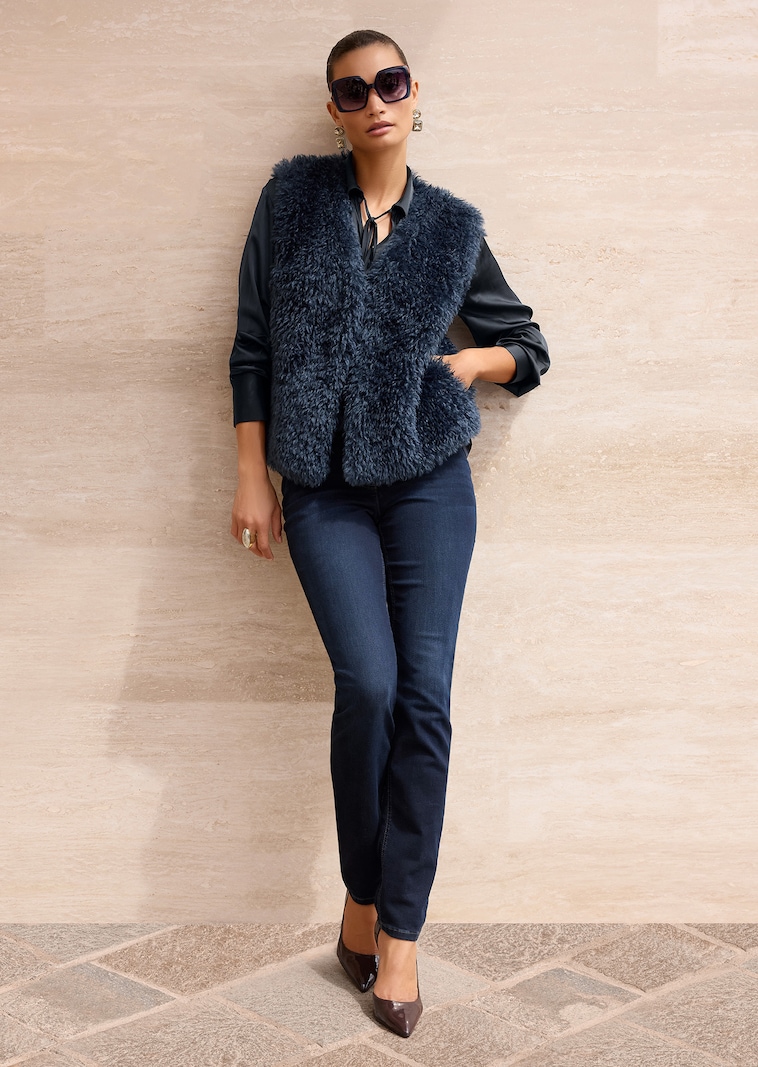
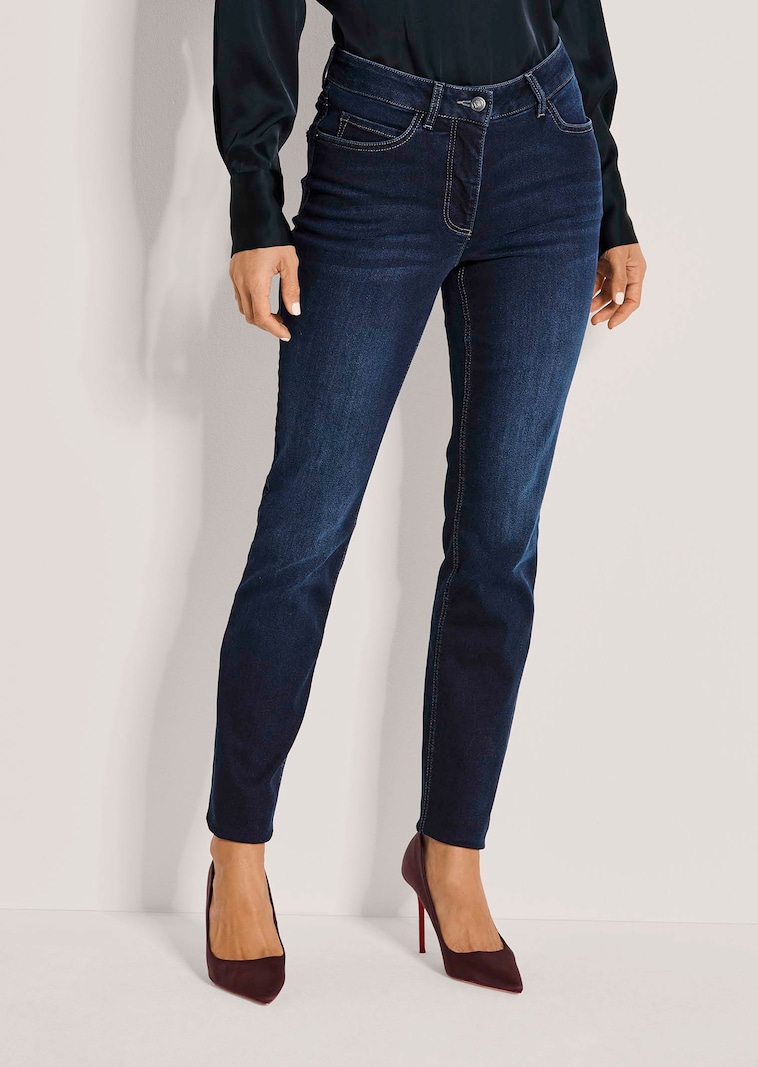
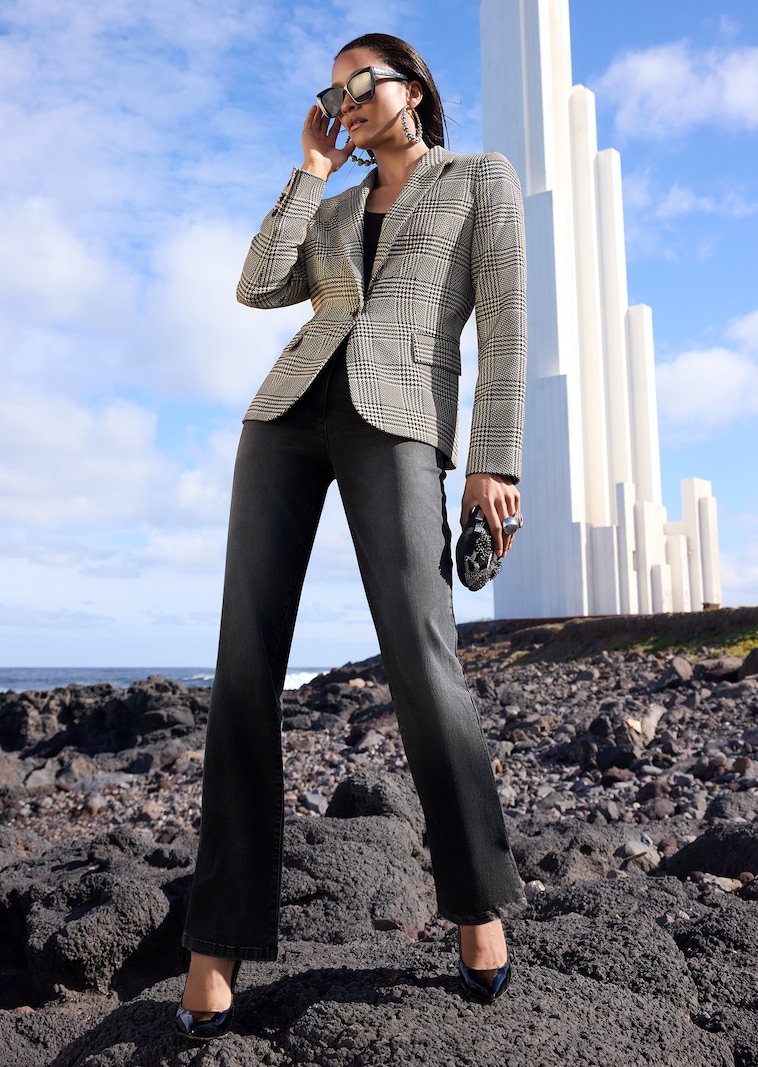
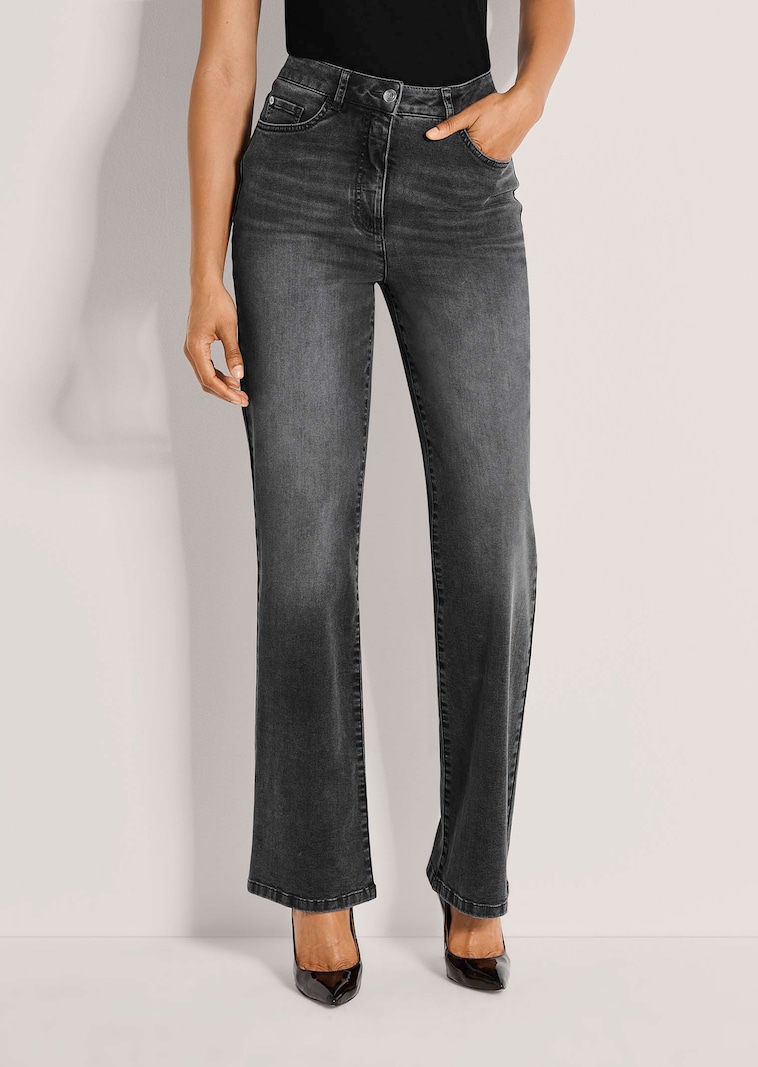
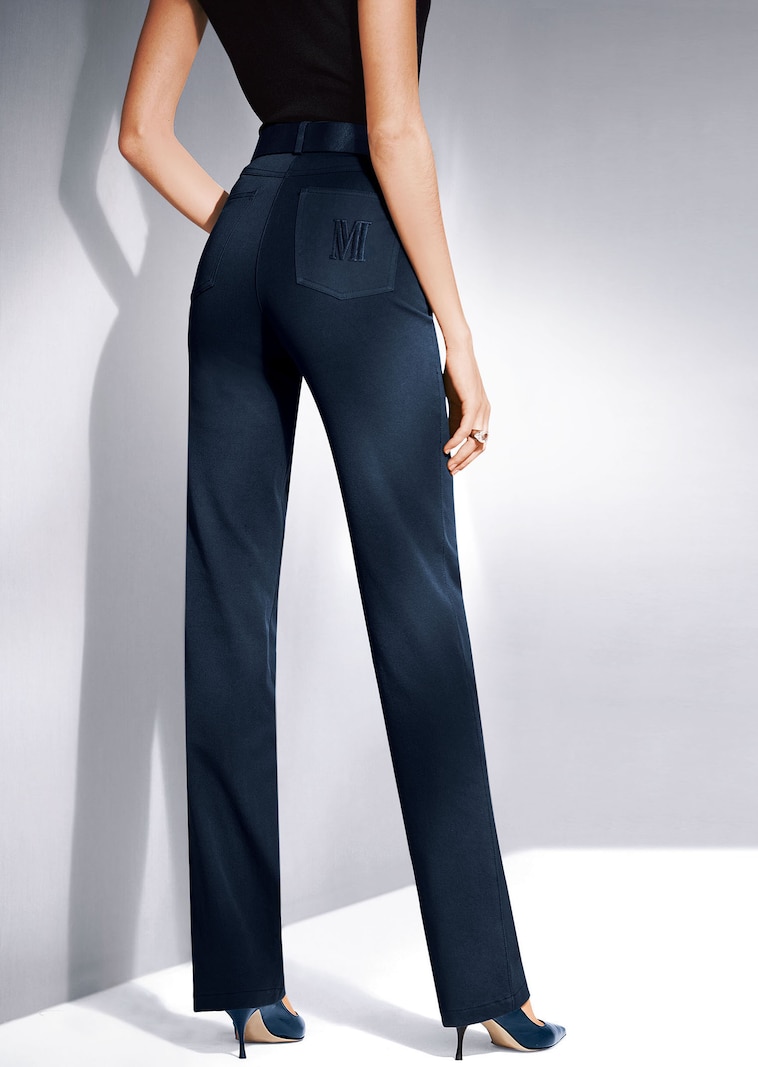
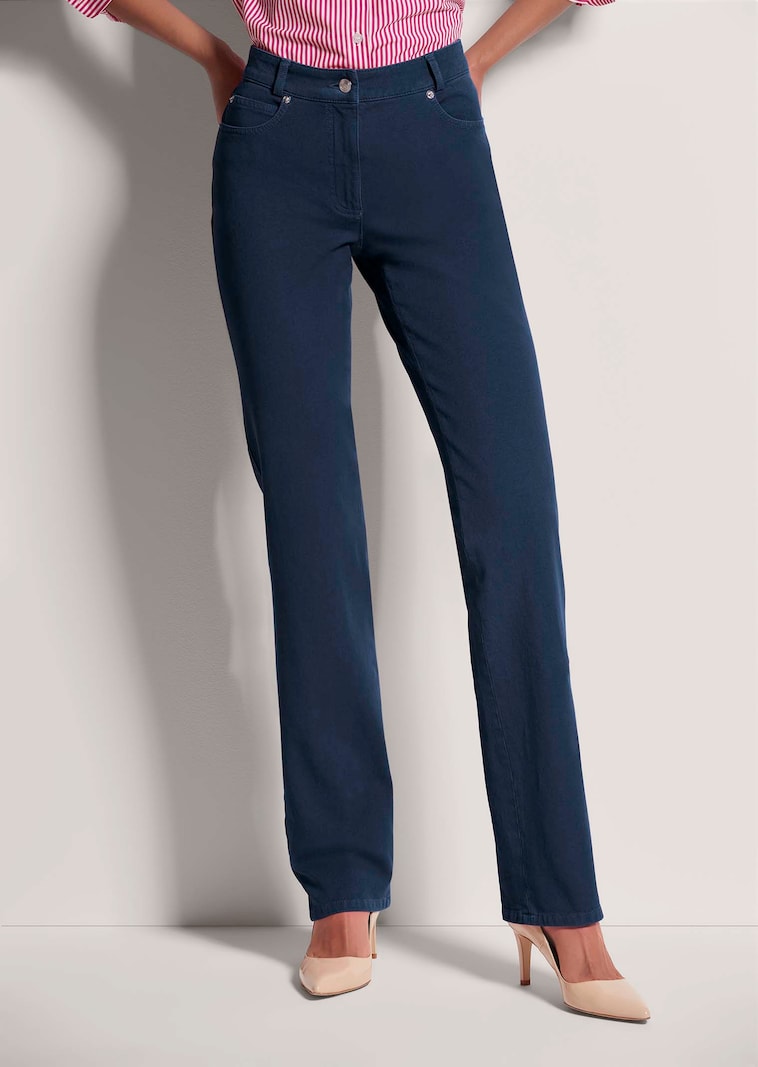
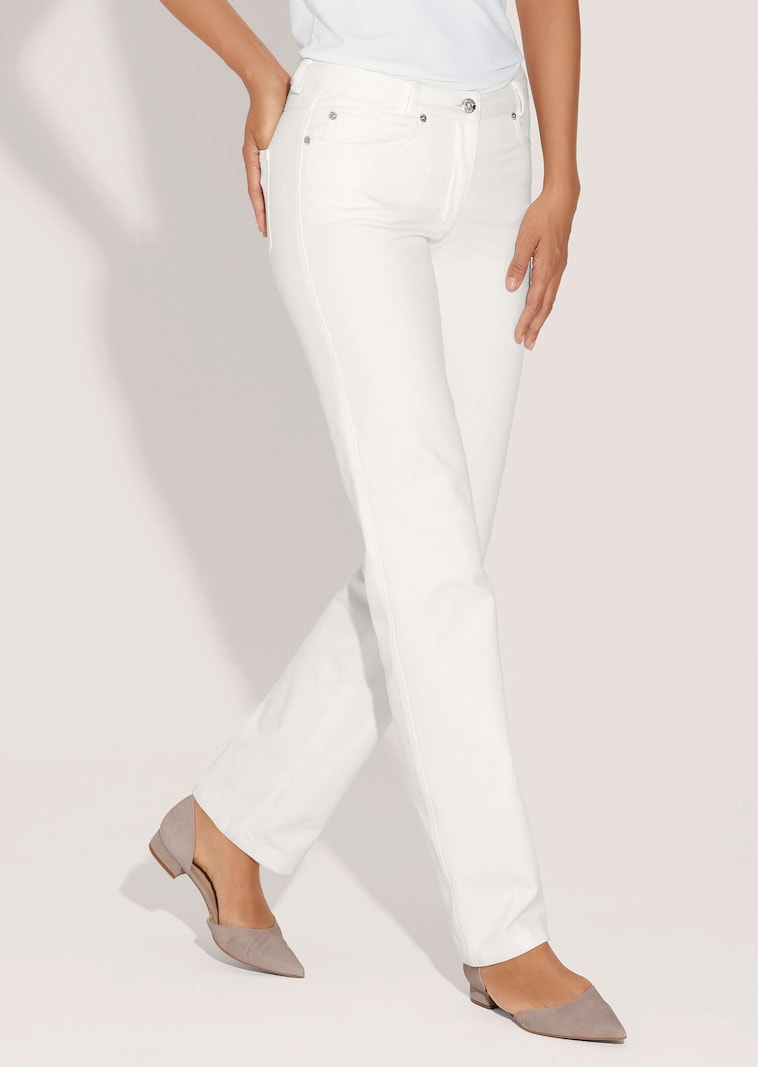
• Cotton with elastane (stretch cotton): even just five percent elastane can make a noticeable difference. Jeans retain their shape at the knees, cotton trousers fit more smoothly, and fitted T-shirts hold their shape for longer.
• Cotton with viscose or modal: both fibres are derived from cellulose and make cotton softer and more fluid. The result: cotton shirts and dresses drape beautifully and feel pleasantly light.
• Cotton with linen: the dream combination for summer. This blend combines the look and coolness of linen with the comfort and softness of cotton.
• Cotton with silk or cashmere: a luxurious blend for special pieces. Silk and cashmere elevate cotton, adding a subtle sheen and an exceptionally soft feel. Often found in fine knit jumpers and elegant cardigans.
Caring for cotton clothing properly
Cotton is uncomplicated – but a few simple rules help preserve its quality over time.
• Washing cotton correctly: in principle, cotton can withstand high washing temperatures. However, it depends on the type of textile and the fibre blend. Always check the care label before washing.
• Drying cotton: cotton may shrink slightly in the tumble dryer. It is best to air-dry garments. However, always follow the care instructions on the label.
• Ironing cotton: cotton is best ironed slightly damp so that creases smooth out more easily. Again, always check the recommended ironing temperature on the care label.
Frequently asked questions about cotton fashion
Does 100% cotton clothing stretch when worn? When cotton is placed under strain – for example at the knees when sitting or at the elbows – the fibres may stretch slightly. However, even a small percentage of elastane makes cotton fashion more flexible and helps garments retain their shape.
What does “mercerised cotton” mean? Through the mercerisation process, cotton gains an elegant, silk-like sheen, becomes more durable and shape-retaining, and colours appear brighter and longer-lasting.
Does cotton shrink when washed? High-quality cotton fashion is usually pre-treated (sanforised) to minimise shrinkage. Nevertheless, it is always important to follow the care instructions on the label.
Does 100% cotton clothing need ironing? Cotton tends to crease slightly more than synthetic fibres. Tip: reshape garments after washing and allow them to dry flat or on a hanger – this reduces the need for ironing.
What is the difference between cotton and jersey? The difference lies in the fibre and the fabric type. Cotton refers to the natural fibre itself, whereas jersey is a type of knit fabric. Jersey can therefore also be made from cotton.
What is the difference between cotton and Pima cotton? Pima cotton is considered the “silk of South America”. The decisive difference lies in the fibre length: Pima fibres are up to twice as long as conventional cotton fibres. This makes Pima cotton not only more durable and long-lasting, but also exceptionally soft, with a smooth sheen that remains even after repeated washing.
Are all cotton fibres cream-white? No. Naturally coloured cotton also exists. Alongside the classic creamy white, nature produces nuances ranging from soft brown and rust-red to muted green. A beautiful example of nature’s rich variety.
High-quality cotton fashion at MADELEINE
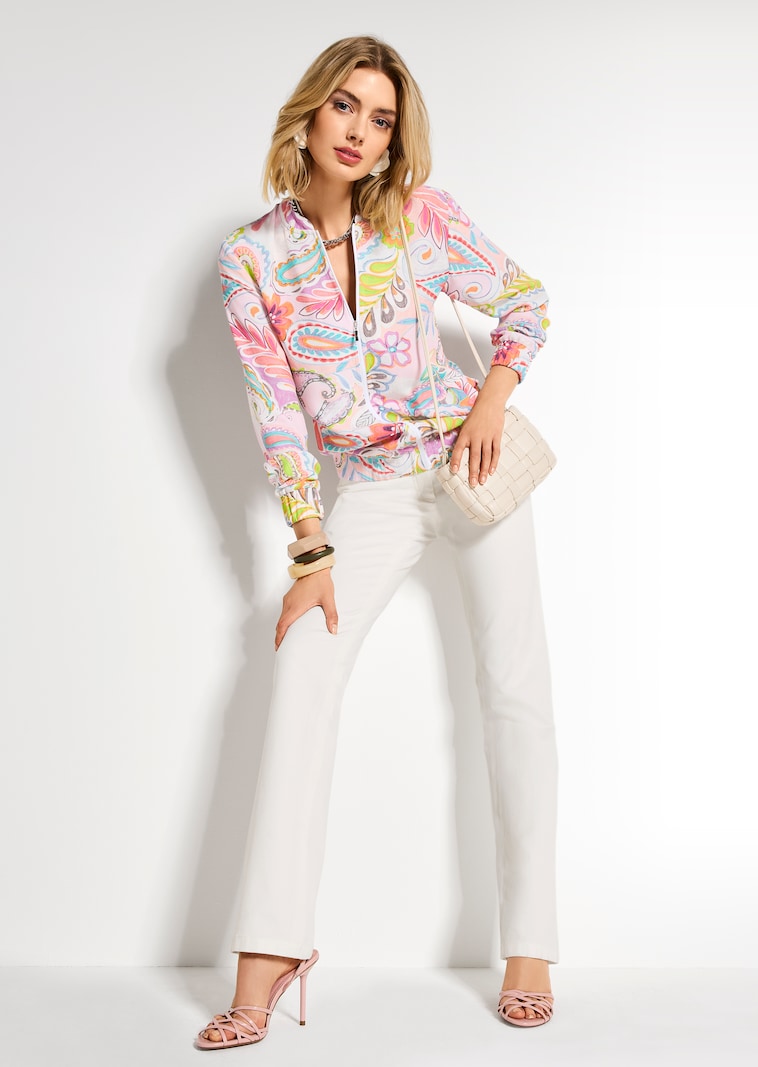
At MADELEINE, you will find women’s cotton fashion designed with quality, fit and style in mind. From classic cotton shirts and airy summer dresses to comfortable trousers and soft knitwear – thoughtful cuts, premium fabrics and exceptional comfort define every piece.